
ISLAMABAD (AP) — American and Iranian negotiators are reportedly nearing completion of a comprehensive agreement designed to halt their ongoing military conflict, according to three regional sources who spoke with The Associated Press on Friday. A high-ranking American official indicated the preliminary agreement contains provisions for eliminating and dismantling Iran’s nuclear materials.
Iran’s Foreign Minister Abbas Araghchi wrote on X Friday that such an agreement “has never been closer.” He provided no additional information, noting that a completed deal remained under discussion.
This potential diplomatic breakthrough follows a three-day period of military exchanges between Iran and both America and Israel this week, raising concerns about a broader Middle Eastern conflict.
President Donald Trump has repeatedly stated in recent weeks that both nations were approaching a potential agreement. The military action initiated by America and Israel on February 28 has destabilized the Middle East and effectively halted petroleum and natural gas transport from the Persian Gulf region. A temporary ceasefire has remained in effect since April 7.
The regional sources indicated the developing agreement is anticipated to facilitate reopening the Strait of Hormuz, gradual removal of Iranian sanctions, and release of Tehran’s frozen financial assets. These sources requested anonymity due to the delicate nature of ongoing negotiations and refused to elaborate on additional specifics.
A high-ranking American official stated that crucial elements in the developing deal involve eliminating and destroying Iran’s nuclear materials and dismantling Tehran’s atomic program. The provisions also require Iran to cease funding terrorist organizations, according to the official.
The American official requested anonymity as they lacked authorization to discuss details of the confidential negotiations.
Highlighting the delicate nature of these discussions, Trump criticized Iranian leadership on social media Friday, declaring: “They better get their act together, and FAST!”
Iran’s atomic program has remained a central source of disagreement. American and Israeli leadership worry it could result in nuclear weapons development — a primary justification their officials have given for military action. Tehran has maintained its nuclear activities serve peaceful objectives.
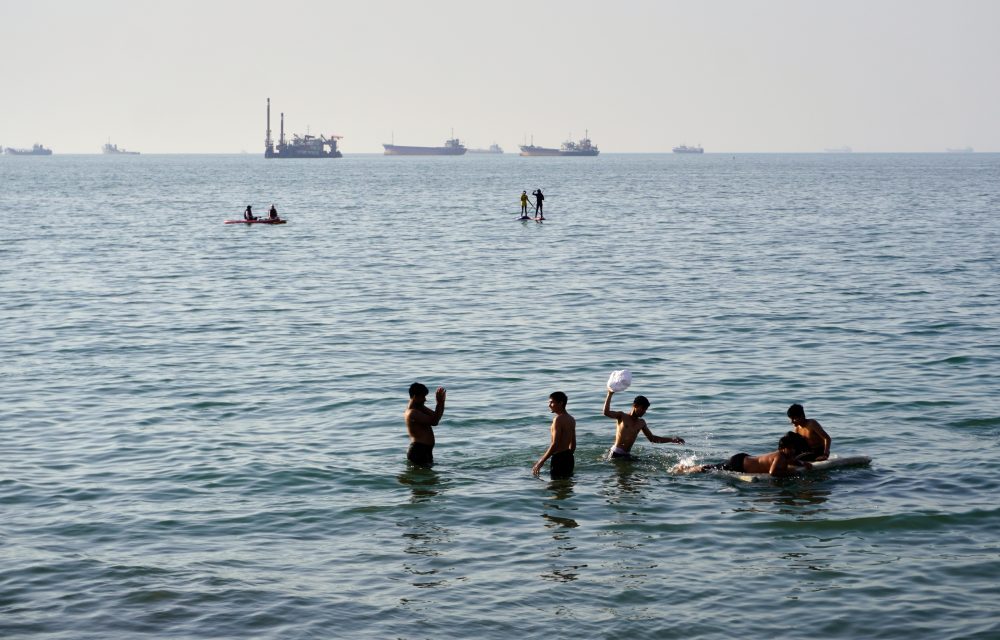
Equally important is Iran’s effective blocking of the Strait of Hormuz, a crucial waterway for petroleum and natural gas transportation. Interrupted passage through this strait has reduced worldwide energy availability, increased fuel costs and raised prices for food and other necessities far beyond the regional area.
America has implemented a naval embargo of Iranian harbors since mid-April to restrict Iran’s petroleum exports.
The regional sources anticipate a formal signing event for the agreement within days once officials in Washington and Tehran provide approval.
“This deal has the potential to remake the region and lead to lasting peace,” Vice President JD Vance posted on social media Friday, without providing specifics.
Trump claimed substantial negotiation progress Thursday, hours after threatening to intensify attacks and capture Iran’s petroleum sector. Esmail Baghaei, a spokesperson for Iran’s Foreign Ministry, told state television that mediators remained engaged and the agreement text was “mostly finalized.”
Pakistan’s Foreign Ministry, which has spearheaded mediation efforts between America and Iran, provided no immediate response Friday. Foreign Ministry spokesperson Tahir Andrabi stated Thursday that Pakistan continued participating in negotiations.
Israeli Prime Minister Benjamin Netanyahu has indicated Israel is not participating in the agreement under negotiation. He stated Friday that he and Trump maintained “full agreement” that Iran must not possess nuclear weapons.
Israeli Defense Minister Israel Katz stated separately that Israel also anticipates Trump will protect crucial Israeli interests, including weakening Iran’s missile capabilities and proxy networks.
Katz cautioned that Israel might still take independent action regarding Iran and would not withdraw from territories it occupies in Lebanon, Syria and Gaza, nor would it leave the northern refugee camps of the Israeli-occupied West Bank.
Iran has demanded that any conflict-ending agreement must also halt fighting in Lebanon between its allied militia Hezbollah and Israel. Netanyahu appears determined to pursue his objective of eliminating the militant organization, creating complications for Iranian-American negotiations.
The agreement was primarily facilitated by Pakistan, directed by its army chief Field Marshal Asim Munir, according to regional sources, with support from Saudi Arabia, Turkey, Egypt, and Qatar.