
A U.S. Army Apache attack helicopter went down near the Strait of Hormuz, though President Donald Trump confirmed both crew members aboard are safe following the incident in the strategically important waterway that remains under Iranian influence.
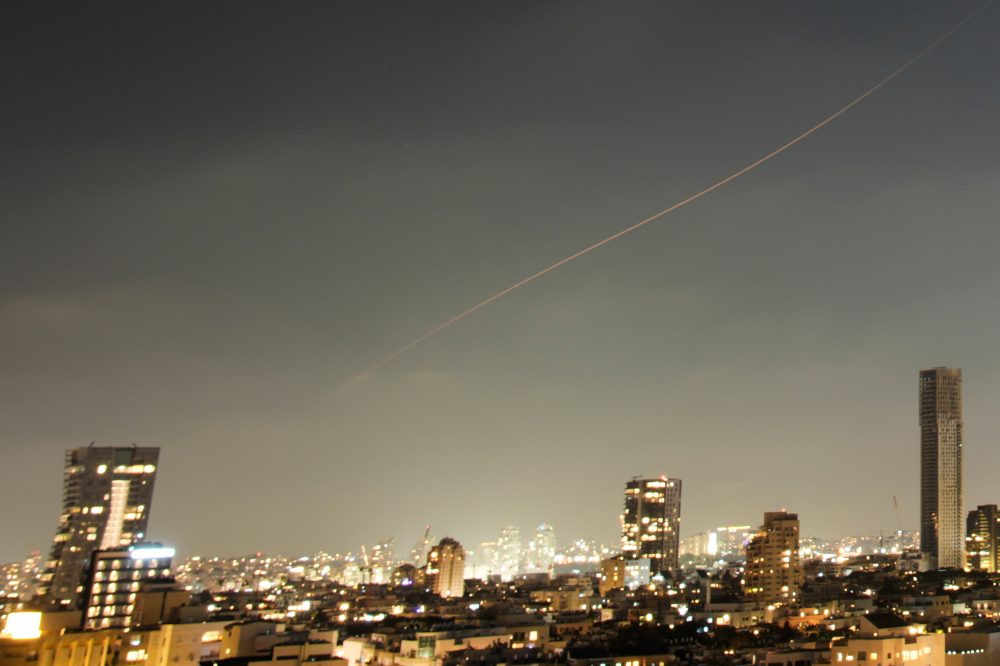
The cause of the Tuesday morning crash in the Middle East was not immediately determined, occurring as the region continues dealing with fallout from the previous day’s exchange of fire between Iran and Israel – marking the most significant escalation yet in the fragile ceasefire during the Iran conflict. Iranian state media reported on the helicopter incident through foreign news sources but provided no additional details.
The ongoing conflict that started when the U.S. and Israel launched strikes against Iran on Feb. 28 has disrupted the global economy, increased energy costs worldwide, and raised prices on essential items including food. Government officials have struggled to transform the April ceasefire into a lasting peace agreement.
Speaking with reporters at John F. Kennedy International Airport in New York following Monday night’s NBA Finals viewing, the president confirmed the aircraft incident.
“The pilots are fine. Yeah,” Trump said. “Nobody injured. We are going to issue a report tomorrow. But the pilots are fine.”
The New York Times initially broke the story about the U.S. Army Apache attack helicopter going down near the strait under unknown conditions. Neither the U.S. military’s Central Command nor the Defense Department immediately provided comment to The Associated Press when contacted.
Apache helicopters serve as crucial equipment for American military operations enforcing restrictions on Iranian oil shipments and tankers as part of efforts to pressure Tehran toward diplomatic agreement. The United Arab Emirates has also deployed these helicopters to intercept Iranian drones throughout the Iran conflict.
The president also shared renewed hope regarding diplomatic talks with Iran.
“We have a good chance” of reaching agreement within “two or three days,” Trump stated, though he offered no specifics about the basis for this optimism.
“We’re very close to having a very, very good, strong, powerful deal,” the president explained. “If we go and bomb — which we could do very easily if we want, and we spend another two or three weeks bombing — they’ll have nothing left whatsoever. But you won’t have the strait open for months.”
He continued: “If we do the bombing, you know, a lot of people are going to be killed. Who wants to do that? I don’t.”
Diplomatic mediators, primarily from Pakistan, have spent weeks attempting to finalize an agreement. Both Iran and the U.S. have maintained inflexible stances throughout negotiations.
American demands include Iran surrendering its highly enriched uranium reserves, believed to remain buried within the country following U.S. airstrikes during the 12-day 2025 conflict. Iran has rejected this requirement while seeking sanctions relief and unfrozen assets before any final agreement, which Trump has refused.