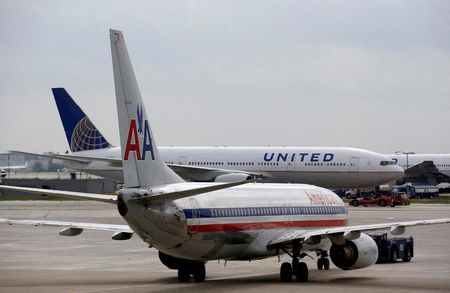

United Airlines announced Tuesday a major fleet expansion and cabin redesign strategy emphasizing luxury accommodations, moving forward with long-range growth objectives despite recent warnings about sustained high oil prices potentially lasting until 2027.
The Chicago-headquartered airline plans to add over 250 new planes to its fleet by April 2028, with 68 of those being Airbus A321neo Coastliner and A321XLR aircraft equipped with fully-reclining Polaris business class seating and expanded premium cabin configurations.
This announcement follows CEO Scott Kirby’s statement last week that United would reduce approximately five percent of its planned flight capacity this year while preparing for oil prices to remain above $100 per barrel through 2027, with potential spikes reaching $175.
According to Kirby, such elevated fuel costs would increase United’s yearly fuel expenses by roughly $11 billion, exceeding double the airline’s highest annual profit on record.
However, Kirby expressed confidence that United is better equipped than during previous economic downturns to handle market volatility, preserve profit margins by eliminating less lucrative routes, and maintain long-term investment strategies.
“We’ve positioned ourselves to get through these storms that are inevitable, stay focused on the long term and keep investing for the long term,” he said on a media call.
The centerpiece of United’s strategy involves two new Airbus variants featuring lie-flat Polaris seating and Premium Plus cabin sections.
The Coastliner model will operate solely on routes connecting Los Angeles and San Francisco with Newark/New York. Meanwhile, the A321XLR will substitute Boeing 757 aircraft on certain existing international routes beginning this summer and eventually serve new European and South American destinations.
United noted that the Boeing 757s currently serving many of these routes typically accommodate around 16 business-class passengers. The new A321XLR will offer 32 premium seats, while the Coastliner will feature 20 Polaris seats plus 12 Premium Plus seats.
Major American airlines have increasingly focused their operations around high-end passengers, business accounts, and frequent flyer program participants since the pandemic, wagering that these customer segments are less likely to reduce travel when ticket prices increase.
United’s chief commercial officer Andrew Nocella stated that the U.S. economy and air travel demand continue showing strength, enabling United to implement fare increases without significantly impacting reservation levels.
“I can tell you that the environment is strong,” Nocella said. “We’ve been able to pass through many of the price increases necessary to cover what is a significantly quick and rapid increase in the price of oil and jet fuel.”