
Fresh data from the U.S. Centers for Disease Control and Prevention reveals that roughly 8% of Americans went without health insurance coverage during 2025, maintaining similar levels from the previous year.
The survey findings, made public Thursday, indicate the nationwide uninsured rate continues to remain well below levels seen in past years, though experts warn that upcoming policy shifts under the current administration may cause those numbers to climb.
Major revisions to Medicaid — the federal safety-net program serving Americans with lower incomes — that became law in the previous year may leave an additional 10 million people without coverage over the next ten years, based on projections from the Congressional Budget Office.
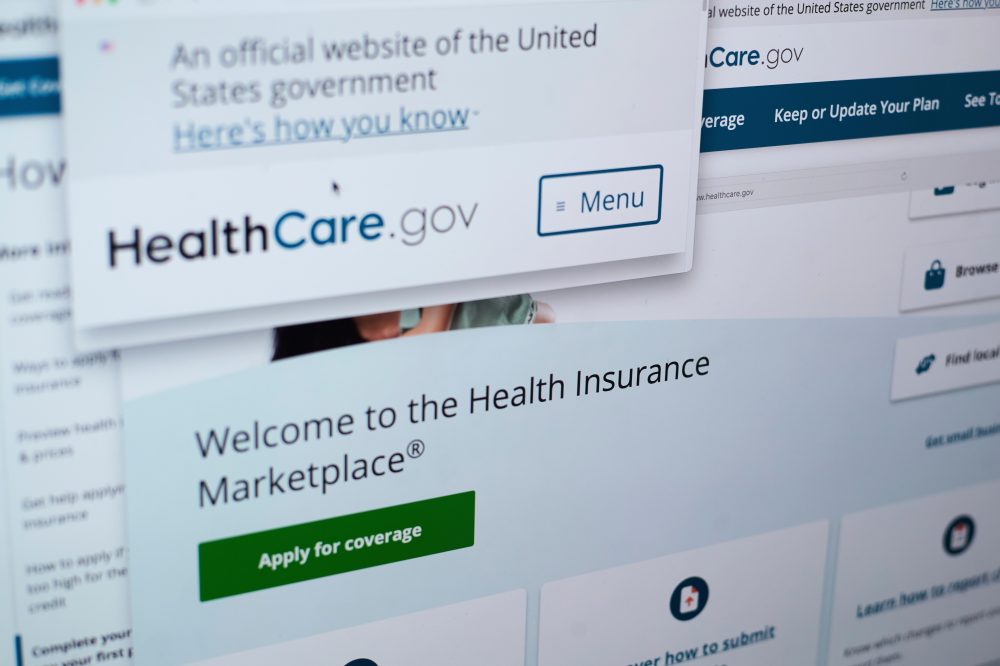
Additionally, the end of specific Affordable Care Act subsidies this year — which previously helped reduce premium expenses — is also leading to decreased enrollment in marketplace insurance options. The healthcare research organization KFF projects approximately 5 million fewer Americans will sign up for these plans in 2026 when compared to 2025 enrollment figures.
Federal agencies use various methods to monitor insurance coverage among Americans, which can produce different results based on timing and how questions are asked. According to David Howard, a health policy and management professor at Emory University, many experts view the U.S. Census Bureau as “the official scorekeeper.”
However, the CDC survey data aligns closely with census findings and provides the first comprehensive information covering all of 2025 — marking the initial year of President Donald Trump’s return to office.
The current administration has worked to broaden availability of lower-cost catastrophic health plans and reduce medication costs for uninsured Americans. Officials have also indicated that anticipated drops in insurance enrollment reflect the removal of fraudulent and ineligible participants rather than qualified citizens.
While the percentage of insured versus uninsured Americans remained essentially unchanged in 2025 compared to the prior year, the total number of uninsured individuals increased by roughly 800,000 — including 300,000 children. This growth reflects the expanding U.S. population overall.
The survey data also points to a potential increase in insurance coverage among Hispanic Americans. However, Howard noted this might partially result from the administration’s immigration enforcement efforts, if uninsured individuals within this demographic departed the country.
The majority of Americans aged 65 and above receive health coverage through the federal Medicare system. Younger Americans face a different situation, with many relying on various combinations of government and private insurance programs.
Uninsured rates among Americans under 65 climbed during the 1980s, 1990s, and early 2000s — jumping from 12% in 1980 to over 18% by 2010. These numbers declined after the Affordable Care Act passed in 2010, which broadened Medicaid eligibility and created new pathways for affordable health coverage.
By 2016, the rate had dropped to nearly 10%, then increased to 11-12% during the first administration under President Trump, according to historical data from the CDC’s National Center for Health Statistics.
The COVID-19 pandemic brought another decline in uninsured rates, as government measures helped maintain coverage during pandemic-related disruptions. The rate reached a historic low in 2023, falling beneath 9%.