
WASHINGTON — Weekly unemployment benefit applications climbed last week but continue to stay at historically low levels, even as the ongoing war in Iran creates economic uncertainty across the nation.
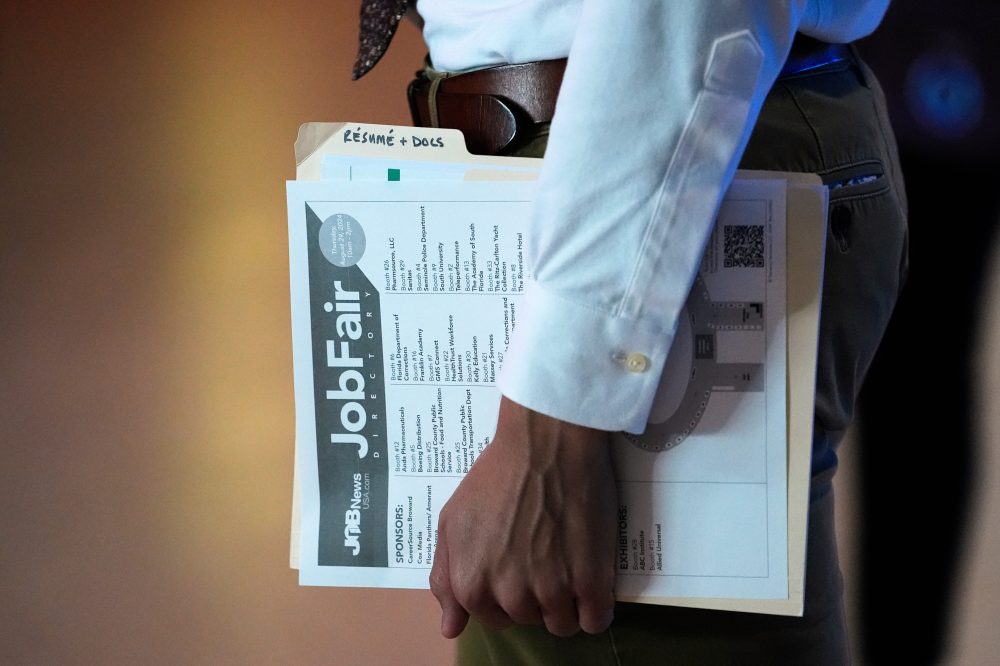
New claims for unemployment assistance during the week that concluded May 9 increased by 12,000, reaching 211,000, according to Thursday’s Labor Department data. This figure exceeded the 207,000 new claims that analysts from FactSet had predicted.
These weekly unemployment benefit applications serve as an indicator for U.S. job cuts and provide nearly real-time insight into employment market conditions.
Even with relatively minimal layoffs occurring, economists describe the current labor market as being trapped in a “low-hire, low-fire” situation. This dynamic has maintained the unemployment rate at a low 4.3%, though many jobless individuals face difficulties securing new positions.
While U.S. companies created an unexpected 115,000 new positions in April, the Iran war has introduced significant uncertainty regarding the overall U.S. economy and employment landscape.
The Strait of Hormuz, through which one-fifth of global oil passes, continues to be closed. Oil prices have surged more than 50% since the conflict began in late February, pushing the national average gasoline price to $4.53 per gallon from under $3. These elevated costs impact consumer spending and may discourage companies from expanding their workforce.
Government data released this week showed consumer-level inflation increased 3.8% compared to April 2025, marking the largest increase in three years. Food costs have also risen, though analysts suggest they may not yet fully reflect the energy price increases resulting from the Iran war.
A separate report this week indicated wholesale prices jumped 6% year-over-year, reaching the highest level in more than three years. The Labor Department’s producer price index — which measures inflation before reaching consumers — surged 1.4% between March and April, representing the largest monthly increase in over four years.
These developments occur while U.S. inflation already exceeds the Federal Reserve’s 2% target. Two weeks ago, the Fed decided to maintain its benchmark rate unchanged, pointing to economic uncertainty from Middle East instability and persistently high inflation.
While lower interest rates can stimulate economic growth and job creation, they also tend to fuel inflation, prompting several Federal Reserve policymakers to indicate openness to raising interest rates this year.
Additionally, the current artificial intelligence surge and the investment needed for its development could transform or eliminate certain job categories.
Several major corporations have recently announced job reductions, including Verizon, UPS, Amazon, Disney and Walmart.
Weekly unemployment assistance applications have remained steady within a range of mostly 200,000 to 250,000 since the U.S. economy recovered from the pandemic recession. However, job creation began declining approximately two years ago and decreased further in 2025 due to President Donald Trump’s unpredictable tariff implementations, his federal workforce reductions and the ongoing impact of elevated interest rates designed to combat inflation.
Companies created fewer than 200,000 positions last year, down from approximately 1.5 million in 2024, according to FactSet data.
Thursday’s Labor Department report indicated that the four-week moving average of unemployment claims, which smooths out weekly fluctuations, rose by 750 to 203,750.
The total number of Americans receiving unemployment benefits for the week ending May 2 increased by 24,000 to 1.78 million, matching analyst expectations.