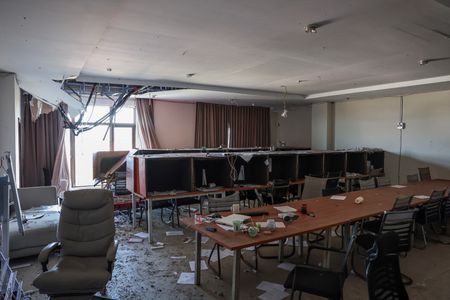

The United Nations migration agency is raising serious concerns about a dramatic rise in human trafficking tied to massive online scam operations in Asia, warning that people from more than 80 countries have been deceived into working in these criminal centers.
According to the International Organization for Migration, enormous scam compounds operating across Myanmar, Cambodia, and Laos employ as many as 300,000 workers. These centers run online schemes primarily targeting older individuals in Western countries.
However, a large share of those workers were themselves victims of deception. The IOM described a pattern of fake job postings that promise well-paying positions for people with strong English skills and college degrees.
Once lured in, victims have their identification documents taken away and are forced to conduct online fraud operations under threats of violence. IOM Director General Amy Pope — who previously worked as a human trafficking prosecutor — said many victims also endure sexual abuse, solitary confinement, debt, and lasting trauma.
“People trapped in scam compounds are victims of trafficking, forced to commit crimes through violence, threats and coercion,” Pope said. “We must work together to support survivors, stop traffickers and close the gaps these criminal networks exploit.”
Pope spoke to reporters in Geneva, noting that the IOM has directly assisted victims from roughly 30 countries who were recruited under false pretenses. She estimated the total number of trafficking victims in the tens of thousands.
“The significant networks are based within Asia, but because of social media, because of the ability to now reach people in many, many countries, their reach has expanded quite significantly,” Pope said.
Even after escaping or being freed during government raids, some victims face the threat of criminal prosecution themselves, Pope noted. She credited countries like Thailand for stepping up efforts to identify these operations, but stressed that more action is needed in remote areas of Asia where law enforcement presence is limited.
The IOM is calling on governments worldwide to strengthen protections for trafficking survivors, ensure their safe return home, and ramp up public awareness campaigns so people can recognize the warning signs and know where to turn for help.