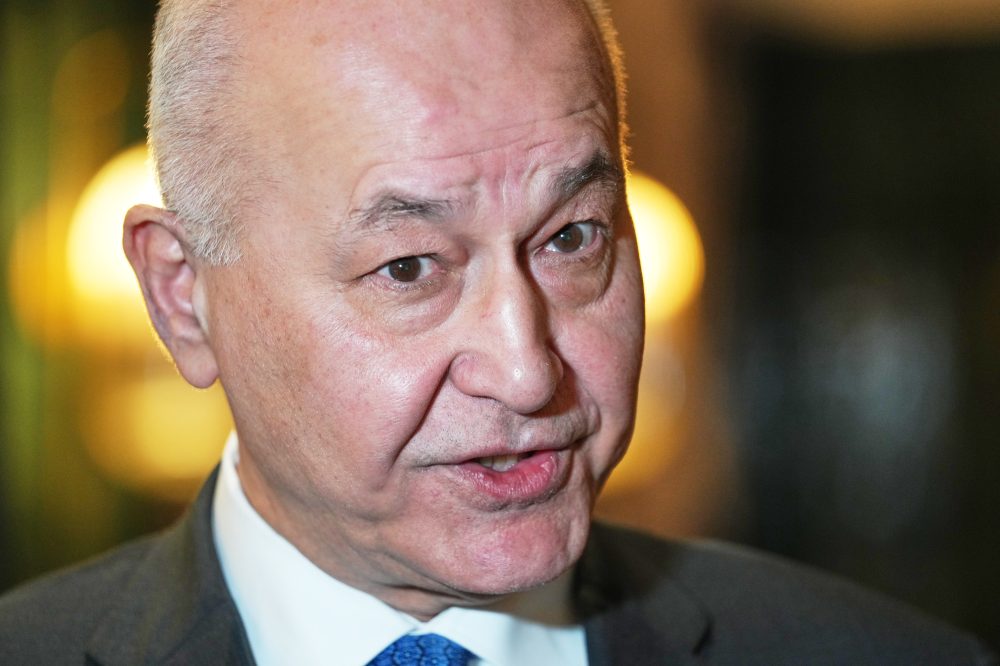

KYIV, Ukraine — Despite numerous challenges blocking a peace agreement in Ukraine, diplomatic negotiations represent the sole realistic pathway forward, according to the newly named leader of the United Nations refugee agency who issued this warning Friday while highlighting how humanitarian efforts worldwide are becoming dangerously overextended due to simultaneous global emergencies.
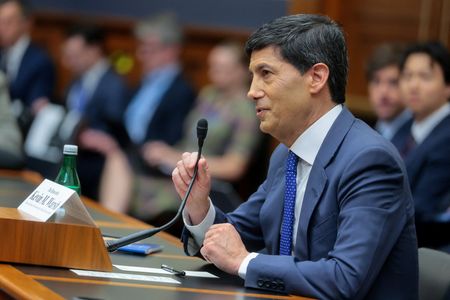
Barham Salih, the former Iraqi president who assumed the role of UNHCR high commissioner following his December election, conducted his inaugural Ukraine visit since beginning his tenure.
Following trips to Ukrainian frontline communities such as Kharkiv and Zaporizhzhia, Salih held discussions with President Volodymyr Zelenskyy about current peace negotiation efforts. Their talks also covered future UNHCR operations as Ukraine faces continued Russian strikes against its power infrastructure throughout this brutal winter season.
“You have to be hopeful, but I do understand the difficulties in the situation, and it’s clear, of course, there are many, many impediments along the way, but at the end of the day, there is no military solution. There needs to be peace, a durable and just peace so that people can go back to their lives,” Salih told The Associated Press during a Kyiv interview.
“Things are not necessarily easy, definitely not easy, but let’s redouble the effort to make sure that diplomacy has a chance and really bring about a durable and just peace to this war that has been going on for far too long,” he continued.
International donors have committed just $150 million toward the organization’s $470 million Ukraine funding request. This significant gap demonstrates widespread reductions throughout humanitarian sectors, creating mounting challenges for aid distribution across numerous global emergencies.
According to Salih’s figures, approximately 3.7 million Ukrainians remain internally displaced while nearly 6 million Ukrainian refugees have settled in European nations and other countries.
“This tells you the gap between what is needed and what is available,” he explained. “My appeal to the international community is, really, this is not the moment to walk away, this is not a moment to look the other way round. These vulnerable populations need support. We should deliver this help to them.”
UN agency projections indicate 10.8 million Ukrainians will require humanitarian support by 2026, based on recent organizational reports. The most urgent requirements remain concentrated near combat zones in eastern and southern Ukraine, plus northern border areas. Escalating fighting continues generating additional displacement waves.
Ukraine’s funding appeal faces competition from major conflicts in Sudan and Gaza. Since his appointment, Salih has spent merely one week at Geneva headquarters, instead traveling to Kenya, Chad, Turkey and Jordan before reaching Ukraine.
Severe reductions in U.S. humanitarian funding under President Donald Trump have accelerated the deterioration of global humanitarian systems and significantly weakened organizations’ capacity for aid delivery.
Worldwide, 117 million people face displacement, including at least 42 million refugees, Salih reported. Two-thirds experience prolonged displacement while remaining reliant on humanitarian support.
Choosing priorities amid declining resources proves “difficult,” he acknowledged.
“It’s really very difficult to prioritize given the scale of the problem. I was in Kenya and I was in Chad recently and I was in Turkey and in Jordan talking to refugees from Syria. And of course, now in Ukraine, these are all pressing issues, pressing requirements,” he said.
“We need to be there to help people, but also I have to say we really need to look at durable solutions too as well. It’s not a matter of sustaining dependency or humanitarian assistance,” he added.
During his Zelenskyy meeting, Salih said they explored focusing on the “recovery phase and sustainable solutions and self reliance as we go forward.”