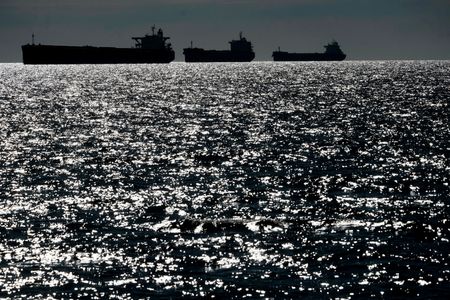

A new analysis reveals that British Prime Minister Keir Starmer’s March warning about boarding Russian ‘shadow fleet’ vessels has failed to reduce the number of sanctioned ships passing through UK waters.
Data from Reuters shows that 98 Russian vessels under UK sanctions traveled through British waters in the month following Starmer’s March 25 announcement – roughly the same number seen in each of the previous three months.
British authorities have not announced any actual boardings or detentions of these ships, which often have unclear ownership structures and carry oil, grain, and weapons to support Russia’s war effort in Ukraine.
Tracking information from LSEG indicates 63 vessels sailed within 12 nautical miles of Britain’s coastline through the English Channel, the fastest route connecting the Baltic Sea to southern Europe. An additional 35 ships traveled through Britain’s Exclusive Economic Zone extending 200 nautical miles from shore, primarily around northern Scotland.
Maritime security specialist Elisabeth Braw from the Atlantic Council criticized the British response, stating: “You have to quickly follow up with boardings or otherwise those vessels will conclude that it was an empty threat — and that is the regrettable situation we are in now.”
Meanwhile, other European nations including France, Belgium, and Sweden have actively boarded and detained Russian shadow fleet ships in recent months.
The British Ministry of Defence declined to comment when asked about their limited enforcement actions.
Britain’s Royal Navy has shrunk to its smallest size since the 1600s, despite once being a dominant maritime force. The military now faces pressure from allies to support operations across eastern Europe, the Arctic, and Middle East regions.
London currently lists 544 vessels connected to Russia’s shadow fleet on its sanctions roster.
The tracking data revealed at least 10 ships engaged in ‘spoofing’ – disabling or falsifying their location systems – while crossing British waters.
Russian officials have denounced sanctions against their vessels as unlawful and labeled Britain’s boarding policy a ‘deeply hostile move’ that could trigger retaliation.
Security analysts point to several obstacles hampering UK enforcement, including the absence of a specialized law enforcement coast guard like those in France and Sweden, plus complex legal and economic challenges when dealing with numerous vessels.