
LONDON (AP) — Authorities in the United Kingdom announced Monday that the death of former British politician Ann Widdecombe is now being treated as a terrorist act.
A 28-year-old man who had been held on suspicion of murder was rearrested Monday on suspicion of committing, preparing, or instigating acts of terrorism, according to Counter Terrorism Policing South East.
Initially, Devon and Cornwall Police stated they did not believe the killing was connected to terrorism and saw no indication that it was politically motivated.
However, the head of National Counter Terrorism Policing, Laurence Taylor, explained the shift: “We now have new information and evidence that means Counter Terrorism Policing is now leading the investigation. We are pursuing multiple lines of inquiry to establish the motivation for this attack.”
Widdecombe, 78 years old and a former member of Parliament, was discovered dead last week at her secluded rural home in a village in southwest England. Authorities have not revealed a cause of death, stating only that she had suffered “serious injuries.”
Her death sent shockwaves through British political circles, where Widdecombe had been a prominent and outspoken figure for many years, widely recognized for her strong personality and socially conservative positions on issues including abortion and LGBTQ+ rights.
The suspect has not been publicly identified because no formal charges have been filed. He was taken into custody on Saturday in South Yorkshire county in northern England, a location more than 200 miles — approximately 320 kilometers — from the village of Haytor, situated on the edge of Dartmoor National Park, where Widdecombe’s body was found on Thursday.
Investigators believe Widdecombe was attacked at approximately 12:30 p.m. on Wednesday. Concern grew when she failed to show up for a scheduled television interview that same afternoon.
Widdecombe served as a lawmaker in the House of Commons from 1987 to 2010, holding positions that included prisons minister under Prime Minister John Major’s Conservative government in the 1990s.
After leaving Parliament, she became a familiar face on British reality television, appearing on programs including “Strictly Come Dancing” and “Celebrity Big Brother.”
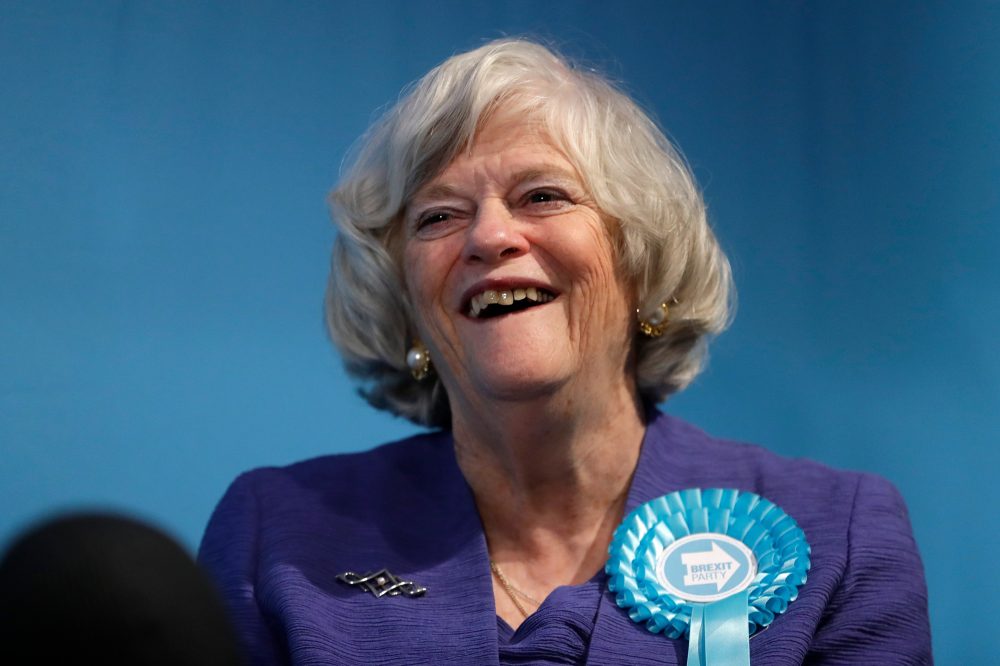
She later aligned herself with the Brexit Party, briefly serving as a member of the European Parliament before the United Kingdom formally exited the European Union in 2020. More recently, she had become associated with the anti-immigration Reform UK party, frequently appearing in media as a spokesperson.
Those who knew her personally described a contrast between her forceful political rhetoric and her warmth and humor in private life.