
WASHINGTON — The United States took a major step Tuesday, canceling a general license that had permitted the sale of Iranian oil, as a U.S. official declared that Iran’s conduct in the Strait of Hormuz was “wholly unacceptable” and would carry consequences following a series of attacks on tankers in the critical shipping lane.
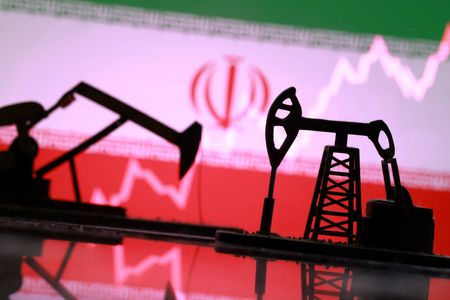
Global oil prices surged more than 5% in the wake of the announcement. The U.S. Treasury Department said transactions involving Iranian oil that were previously permitted under the now-canceled license would be allowed to wind down through July 17.
Despite the escalating tensions, a U.S. official indicated that negotiators were still working in good faith toward a final agreement with Iran.
The American action followed reports from the British navy-affiliated agency UKMTO that three tankers had been struck by unknown projectiles in and around the Strait of Hormuz over recent days. Neither Tehran nor any other party issued an immediate comment or claimed responsibility for the attacks.
A second U.S. official, who requested anonymity, said early indications pointed to Iran having fired on the three commercial ships.
The attacks and Washington’s response now threaten to destabilize a delicate diplomatic understanding between the two countries, raising fears that further retaliation could derail ongoing negotiations aimed at reaching a broader agreement — one that had included potential limits on Iran’s nuclear program and partial relief from sanctions, including those targeting oil exports.
The Strait of Hormuz, a narrow passage between Iran and Oman, ranks among the most vital energy corridors on the planet. Approximately one-fifth of the world’s daily oil consumption, along with substantial volumes of liquefied natural gas, flows through the waterway each day.
Any extended disruption to that flow could drive energy prices higher, adding to the burden already felt by consumers and governments grappling with elevated fuel costs.
Oil revenue remains essential to Iran’s economy, generating billions of dollars in hard currency that helps sustain government operations and offset the impact of years of U.S. sanctions. In recent years, Iran has managed to grow its oil shipments — primarily to China — making petroleum exports a critical economic lifeline for the country.
A renewed push to restrict those exports could tighten Iran’s financial situation further, limiting its ability to fund domestic programs and activities across the region.