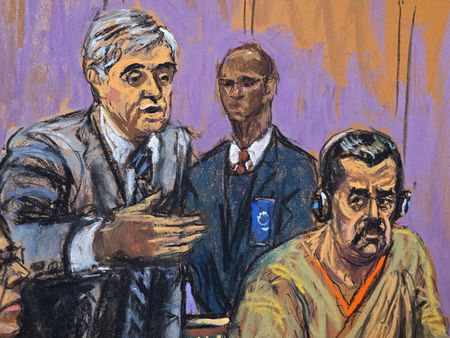

The Biden administration has adjusted its sanctions policy toward Venezuela, clearing the way for that nation’s government to fund legal representation for former president Nicolás Maduro in his ongoing drug trafficking prosecution, according to court documents filed Friday.
Maduro, age 63, along with his spouse Cilia Flores, 69, were apprehended at their Caracas residence by American special operations forces on January 3rd and transported to New York to answer criminal charges that include narcoterrorism conspiracy. Both defendants have entered not guilty pleas and remain in custody at a Brooklyn detention facility while awaiting trial.
Defense attorney Barry Pollack petitioned Manhattan federal Judge Alvin Hellerstein in February to throw out the prosecution, arguing that existing U.S. economic restrictions were blocking Venezuela from covering his client’s legal expenses.
According to Pollack, this prohibition violated Maduro’s constitutional guarantee to legal representation of his choosing.
Defense counsel indicated that neither Maduro nor Flores possess the financial means to hire attorneys independently, while Venezuela’s government stands ready to cover their legal costs.
Constitutional protections for criminal defendants in America extend to all individuals facing charges, regardless of their citizenship status.
During a March 26th court session, Hellerstein indicated he would not dismiss the prosecution but expressed doubt about the government’s justification for preventing the fee payments.
Federal prosecutor Kyle Wirshba argued in court that the sanctions blocking these payments served valid national security and foreign policy objectives. Wirshba further contended that Hellerstein lacked authority to compel the Treasury Department to alter its sanctions framework, since foreign policy falls under executive rather than judicial control.
Hellerstein observed that Washington had already eased various Venezuelan sanctions following Maduro’s removal from power. Diplomatic ties between Caracas and Washington have strengthened since Delcy Rodriguez, Maduro’s former deputy, assumed interim leadership of Venezuela.
“The defendant is here, Flores is here. They present no further national security threat,” Hellerstein stated. The judge, who was appointed by Democratic President Bill Clinton, added: “The right that’s implicated, paramount over other rights, is the right to constitutional counsel.”
Throughout his initial presidential term, Donald Trump intensified economic penalties against Venezuela amid accusations that Maduro’s administration engaged in corruption and weakened democratic governance. Washington declared Maduro’s 2018 electoral victory illegitimate.
Maduro rejected these allegations, as well as drug trafficking accusations, characterizing them as fabricated justifications for what he described as America’s attempt to gain control over the South American OPEC member’s extensive petroleum resources.