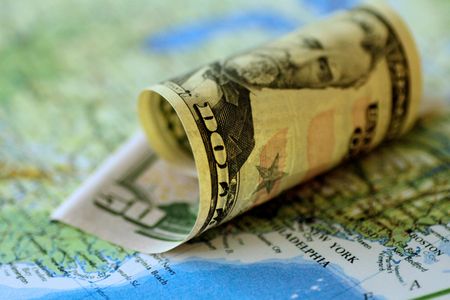

LONDON — A fresh analysis from ING Bank indicates the U.S. dollar has diminished as a safe-haven currency since 2024, though the financial institution emphasized Monday that worldwide appetite for American currency remains steady.
The greenback experienced its steepest annual decline since 2017, with the dollar index falling nearly 10% throughout the previous year. Unpredictable trade policies from the United States, along with President Donald Trump’s tariff warnings directed at allied nations and criticism of the Federal Reserve, have put pressure on the currency’s performance.
According to ING’s analysis, several key findings emerged from their research:
The American currency has surrendered a significant portion of its safe-haven appeal when compared to 2024 levels, based on calculations measuring three-month correlations between the dollar index, U.S. equity markets, and 10-year Treasury bonds.
Private sector investors, who control over 80% of international holdings in American assets, continue maintaining their positions.
Current dollar weakness appears to reflect cyclical rather than structural changes in the market.
No evidence suggests an acceleration in global de-dollarization efforts when analyzing dollar usage in international assets, liabilities, market activity, and transactions.
The Federal Reserve’s independence serves as “the cornerstone of global financial stability,” and should the central bank be perceived as cutting interest rates inappropriately, “a run on the dollar” might occur.
This year’s potential dollar decline is unlikely to mirror last year’s performance. ING forecasts the euro will reach $1.22 by year’s end, compared to current trading levels near $1.18.