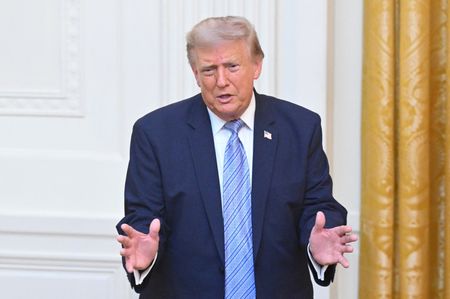

The U.S. dollar maintained stability in Wednesday trading as President Donald Trump suggested America’s military engagement with Iran could conclude within the next few weeks, though mixed messaging about the conflict’s trajectory continues to create uncertainty among investors.
Currency markets showed modest movement following Trump’s remarks, with safe-haven buying that had previously boosted the dollar beginning to ease. The Japanese yen gained ground, pulling back from its yearly low of 160.46 against the dollar and moving past the critical 160 threshold that had raised concerns about potential intervention from Japan’s central bank.
Market indicators reflected the cautious sentiment, with the dollar index dropping 0.03% to 99.70. The euro climbed 0.21% to reach $1.1576, while the Japanese yen strengthened 0.11% to trade at 158.55 per dollar. British sterling also advanced 0.21% to $1.3247.
The dollar had previously gained strength as a safe-haven investment since the Iran conflict began in late February. As a net energy exporter, the United States finds itself in a more favorable position than many other countries to weather potential oil supply disruptions.
“While the headlines were worth a bit of a jump in risk assets, the state of the war and its impact on fundamentals haven’t materially changed yet and the overnight moves are liable to quickly reverse,” said Kyle Rodda, senior financial market analyst at Capital.com.
Trump’s Tuesday statement indicated the military campaign against Iran could wrap up in two to three weeks. His comments came after a Wall Street Journal report suggested the president had told advisors he would consider ending military operations even if the strategically important Strait of Hormuz shipping route remains largely blocked, with no clear timeline for reopening it.
The White House announced Trump would deliver a national address Wednesday evening at 9 p.m. EDT “to provide an important update on Iran.”
However, conflicting messages emerged from Defense Secretary Pete Hegseth, who characterized the coming days as critical for the Iran conflict and warned Tehran that military action would escalate without a negotiated agreement.
Attention now turns to Friday’s March employment report, which economists expect will show 60,000 new jobs added during the month. This follows February’s unexpected loss of 92,000 positions. A significant weakening in employment data could revive expectations for Federal Reserve interest rate cuts this year, which markets have largely dismissed due to inflation concerns stemming from higher oil prices related to the Iran situation.
Other currencies also showed movement, with the Australian dollar gaining 0.35% to $0.6924 and New Zealand’s currency strengthening 0.19% to $0.5756. In digital assets, bitcoin slipped 0.03% to $68,177.08, while ethereum declined 0.08% to $2,103.76.