
President Donald Trump expressed little worry about climbing fuel costs connected to ongoing military actions against Iran, stating in an exclusive Reuters interview Thursday that the operation takes priority over economic concerns at gas stations.
When questioned about higher pump prices, Trump responded, “I don’t have any concern about it. They’ll drop very rapidly when this is over, and if they rise, they rise, but this is far more important than having gasoline prices go up a little bit.”
This represents a notable change from Trump’s recent messaging, as he had celebrated declining fuel costs during last month’s State of the Union speech and at a Texas energy rally just hours before Saturday’s air strikes commenced.
Political experts warn that sustained increases in gas costs could damage Republican chances in November’s midterm elections, where congressional control hangs in the balance. Public dissatisfaction with living expenses and economic management already poses challenges for the administration.
While Trump publicly downplays the price increases, behind-the-scenes efforts are underway. White House Chief of Staff Susie Wiles and Energy Secretary Chris Wright have contacted oil industry leaders to explore solutions for rising energy costs, press secretary Karoline Leavitt confirmed Thursday.
A White House source, speaking anonymously, revealed urgent coordination between energy and national security teams to develop price-reduction strategies.
The same official disclosed that Wiles cautioned in internal meetings that inaction on rising prices would prove “catastrophic” for Republicans in upcoming elections.
Trump has projected a four-to-five-week duration for the Iran campaign, though political and military analysts question this timeline, noting the administration hasn’t clearly defined success goals as the conflict expands regionally.
During the interview, Trump ruled out accessing the Strategic Petroleum Reserve, the world’s largest emergency oil stockpile. He expressed confidence that the Strait of Hormuz, a vital oil shipping route near Iran, would stay operational because Iran’s naval forces are at the “bottom of the sea.”
International oil markets have surged 16% since Saturday’s conflict began, as regional supply disruptions spread throughout the Middle East.
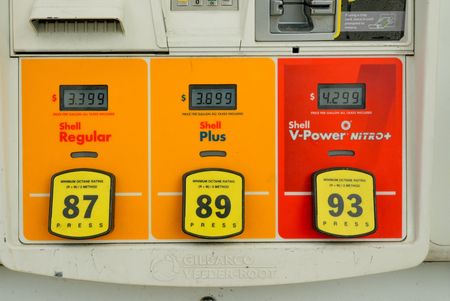
According to AAA’s fuel price tracking, the national gas average has climbed 27 cents since last week, reaching $3.25 per gallon. Current prices sit 15 cents above last year’s levels.
Trump characterized the increases as minimal, saying costs “haven’t risen very much.”
The administration is wagering that both the Iran conflict and resulting fuel price pain will be temporary.
Energy advisors have informed Trump’s team that initial market shock has been less dramatic than anticipated, recommending patience, according to two sources familiar with internal discussions.
These advisors cautioned that premature administration intervention could backfire by unsettling markets if prices don’t drop quickly.
Secretary of State Marco Rubio announced earlier this week that the administration was preparing measures to address rising energy costs, but only risk insurance for oil tankers and potential naval escorts through the Strait of Hormuz have been revealed so far.
Three energy industry executives told Reuters the White House faces limited effective options for reducing energy prices.
“When you look across the menu of policy options, domestically or within other countries, they can be helpful, but they don’t move the needle far,” one executive said anonymously to speak freely about administration policies. “I think the primary focus is … to do whatever they can to restore transits through the Strait of Hormuz itself.”
Internal discussions include various alternatives such as suspending federal gasoline taxes and relaxing environmental rules for summer fuel blends to permit higher ethanol content, the two sources revealed.
Officials also considered releasing Strategic Petroleum Reserve supplies, but Trump’s Reuters comments ruled out that possibility for now.
Congressional Republican leadership, including House Speaker Mike Johnson, has similarly dismissed gas price concerns, even as the party prepares to emphasize economic achievements in midterm campaigns.