
Former President Donald Trump quickly shot down Iran’s counter-proposal to a U.S. peace initiative on Monday, causing oil markets to spike as the ongoing 10-week conflict shows no signs of resolution.
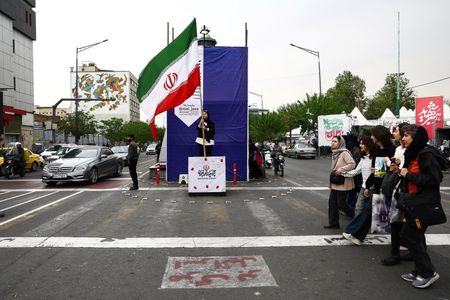
The United States had recently put forward a peace offer hoping to restart diplomatic talks. Iran responded on Sunday with its own set of conditions, including demands to halt fighting across all theaters of war, particularly in Lebanon where Israel continues battling Iranian-backed Hezbollah forces. According to Iranian state television, Tehran’s response also sought war reparations and asserted Iranian control over the strategically important Strait of Hormuz.
Iran’s demands extended to requiring the U.S. to halt its naval blockade, promise no additional attacks, remove sanctions, and lift restrictions on Iranian oil exports, according to the Tasnim news agency.
Trump’s response came swiftly through his Truth Social platform.
“I don’t like it — TOTALLY UNACCEPTABLE,” Trump posted, offering no additional explanation.
The original American proposal had suggested stopping hostilities first, then addressing more complex matters like Iran’s nuclear activities through negotiations.
Monday’s oil markets saw a $3 per barrel increase following news that the diplomatic impasse continues, leaving the critical Strait of Hormuz mostly inaccessible. This narrow waterway previously handled about 20% of global oil transport and has become a key flashpoint in the current crisis.
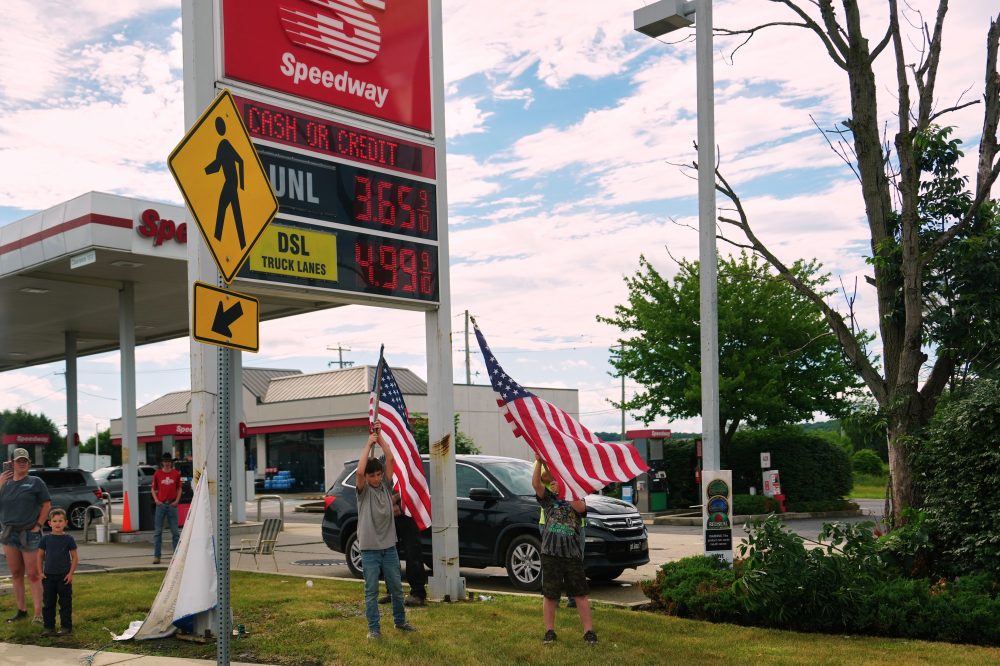
Polling data indicates American voters are growing frustrated with the conflict as gas prices surge just months before crucial elections that will decide Republican congressional control.
International backing for U.S. actions remains limited, with NATO partners declining requests to deploy naval forces to reopen the strait without a comprehensive peace agreement and proper international authorization.
The path forward for either diplomatic or military action remains uncertain.
Trump is scheduled to travel to Beijing on Wednesday, where discussions with Chinese President Xi Jinping are expected to include the Iran situation as pressure mounts to resolve the conflict and its global energy implications.
The former president has been urging China to leverage its relationship with Tehran to encourage a deal with Washington.
When asked about the status of military operations against Iran, Trump stated in Sunday remarks: “They are defeated, but that doesn’t mean they’re done.”
Israeli Prime Minister Benjamin Netanyahu emphasized that the conflict remains active because “more work to be done” exists regarding Iran’s enriched uranium removal, dismantling enrichment facilities, and addressing Iranian proxy forces and missile programs.
During a CBS “60 Minutes” interview aired Sunday, Netanyahu said diplomatic solutions would be preferable for uranium removal but didn’t eliminate the possibility of using force.
Iranian President Masoud Pezeshkian responded through social media that Iran would “never bow down to the enemy” and would “defend national interests with strength.”
Regional shipping and economic threats persist despite ongoing diplomatic efforts.
Fighting around the strait has intensified in recent days, marking the most serious escalation since ceasefire efforts began.
Sunday saw the United Arab Emirates intercept two Iranian drones, while Qatar criticized a drone strike on a cargo vessel from Abu Dhabi in Qatari waters. Kuwait reported successfully defending against hostile drones in its airspace.
Combat between Israel and Hezbollah continues in southern Lebanon despite a U.S.-mediated ceasefire announced April 16.
Netanyahu noted in his “60 Minutes” appearance that resolving tensions with Iran wouldn’t automatically end Lebanese hostilities. He also acknowledged that Israeli strategists had miscalculated Iran’s capacity to disrupt Hormuz Strait traffic.
“It took a while for them to understand how big that risk is, which they understand now,” he explained.