
The Trump administration officially finalized a sweeping change Friday to how federal agencies handle threatened species protections, stripping out regulatory language designed to shield wildlife habitats from damage.
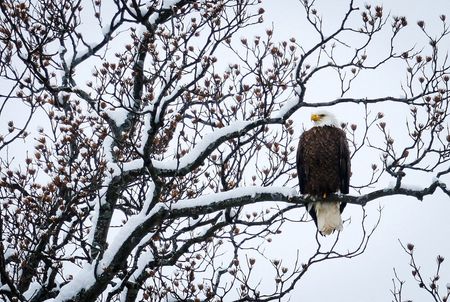
The revision narrows the scope of the Endangered Species Act, a law now five decades old that has been widely credited with pulling species such as the bald eagle and California condor back from the brink of extinction, along with many other animals and plants.
The departments of Interior and Commerce announced the finalized rule, saying it will lower permitting and compliance costs for a range of industries including energy producers, agricultural operations, and fishing interests. The change aligns with President Donald Trump’s broader push to roll back regulations he argues place unnecessary burdens on American businesses.
Interior Secretary Doug Burgum defended the move in a statement, saying: “This action restores common sense, respects private property, provides much-needed certainty for landowners and follows the statute Congress actually passed.”
The Endangered Species Act plays a central role in federal decision-making when agencies review permit applications for oil and gas extraction, mining, electric transmission lines, and other projects on federal lands and waterways. Under the law, agencies are required to assess how proposed projects might affect species listed as threatened or endangered.
The newly finalized rule removes habitat destruction from the legal definition of “harm” under the act. In practical terms, this means project developers would be permitted to degrade or destroy areas where threatened species live, as long as no animals are directly injured or killed in the process.
The rule was first proposed in April of last year.