
NEW YORK – Federal officials filed an appeal Friday following a judicial decision that rejected the legal foundation for a 10% worldwide tariff implemented in February.
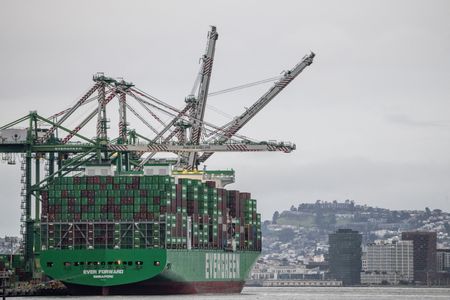
The U.S. Court of International Trade determined Thursday in a split 2-1 ruling that Section 122 of the 1974 Trade Act was not designed to tackle trade imbalances that result when America purchases more foreign goods than it sells abroad. The judicial decision specifically prevented tariff collection from three parties that filed suit – two smaller companies and Washington state.
Although the decision affects levies scheduled to end in approximately two months, it represents another judicial obstacle to Trump’s worldwide tariff strategy and arrives one week before his planned trade discussions with Chinese President Xi Jinping in Beijing.
The ruling establishes groundwork for an extended legal fight concerning billions of dollars in potential tariff reimbursements, occurring three months following the U.S. Supreme Court’s rejection of Trump’s broad international tariffs enacted through national emergency legislation.
Speaking with reporters Thursday, Trump criticized the trade court’s decision, attributing it to “two radical left judges.”
In February, the Supreme Court determined Trump lacked legal power to enact the previous tariffs through the International Emergency Economic Powers Act, prompting Trump to establish substitute 10% levies on all imports through Section 122 of the Trade Act.
These newer tariffs served as an interim measure, scheduled to end July 24 without congressional extension.