
Despite objections from a top member of the U.S. Congress, President Donald Trump’s administration is preparing to finalize a deal selling dozens of jet engines to Turkey worth hundreds of millions of dollars, four sources familiar with the situation confirmed Wednesday.
The engines, manufactured by General Electric, are intended to power Turkey’s first homegrown combat aircraft, known as the Kaan. That aircraft program was launched in 2016 as part of the NATO member nation’s push toward greater independence in its defense capabilities. One source indicated the overall package would exceed $700 million in value.
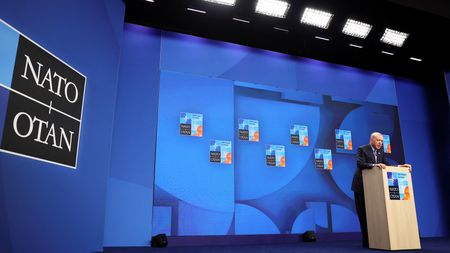
The planned sale represents a meaningful show of goodwill toward Ankara ahead of a NATO summit scheduled to be held in Turkey on July 7 and 8. The gathering of NATO leaders is taking place amid internal alliance tensions over defense spending, burden-sharing, and U.S. concerns about allies’ involvement in keeping the Strait of Hormuz open during the ongoing U.S.-Iran conflict.
Relations between the U.S. and Turkey have largely been positive under Trump, who has frequently spoken favorably of Turkish President Tayyip Erdogan. Still, friction has persisted over Washington’s earlier decision to exclude Turkey from the F-35 fighter jet program and impose sanctions following Ankara’s purchase of Russian-made S-400 air defense systems — a move the United States has characterized as a security risk.
Representative Gregory Meeks of New York, the leading Democrat on the House Foreign Affairs Committee, raised concerns during the informal review process and has not given his approval for the deal, according to two of the sources, one of whom is a U.S. official.
Even so, the sale is expected to move forward in the coming days, after which the State Department is anticipated to formally notify Congress. The State Department declined to offer any comment on the matter.
The decision to proceed comes roughly a year after Turkey’s Foreign Minister Hakan Fidan publicly expressed frustration over what he described as delays in the approval process.