
President Donald Trump modified import duties on steel, aluminum and copper through an executive order issued Monday, reducing rates on certain farming machinery and broadening coverage for other industrial equipment.
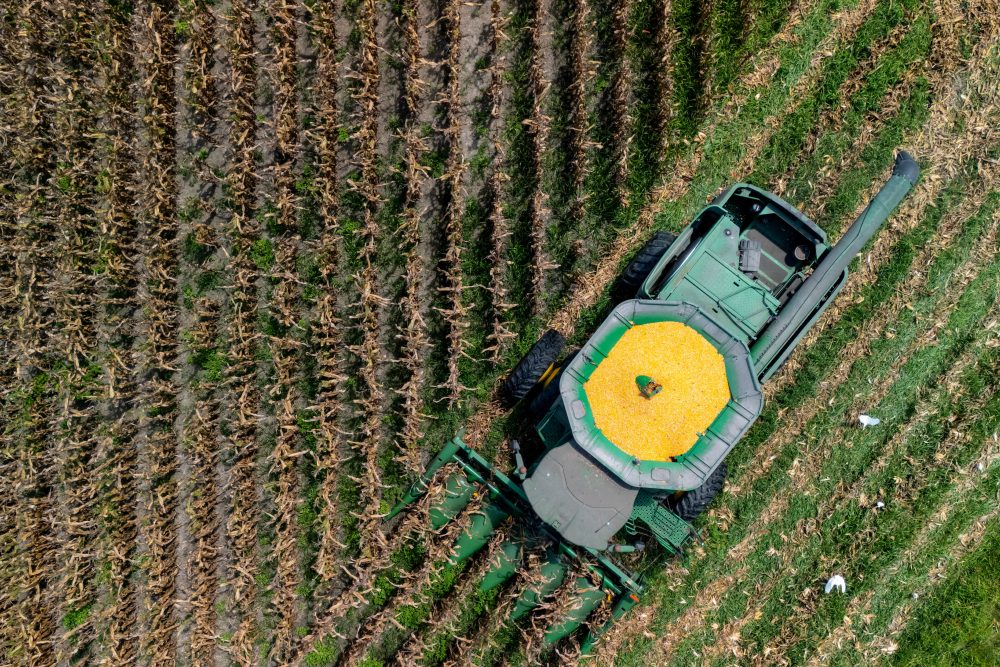
Through the executive action, Trump reduced import duties on farm machinery such as combines and harvesters, along with heating, ventilation, and air conditioning systems, bringing the rate down to 15% from the previous 25%.
The president also broadened the existing industrial equipment category that receives a 15% tariff rate to encompass mobile industrial machinery like bulldozers and forklifts — provided they come from nations that maintain trade agreements with the United States.
The executive action establishes that nations using a minimum of 85% melted and poured or smelted and cast steel or aluminum by weight may receive a reduced 10% duty rate, designed to incentivize foreign companies to utilize American metals.
The modifications became effective Monday and are scheduled as temporary measures ending in 2027.
“In my judgment, this temporary modification appropriately accounts for these products’ roles in productive economic activity in the United States,” Trump stated in his executive order.
Import duties on copper, steel and aluminum were first established during Trump’s initial presidency in 2018 through Section 232 of the Trade Expansion Act of 1962 — legislation that permits tariffs on imports considered threats to national security. He reinstated those duties in April 2025.
Trump has continued modifying metal and metal product tariffs since that time. In June 2025, he increased nearly all steel and aluminum import duties to a severe 50% from the previous 25%.
In April 2026, he established a uniform 50% rate for items manufactured entirely or nearly entirely from aluminum, steel, or copper — including steel coils or aluminum sheet — while creating a 25% tariff rate for derivative items made “substantially” from steel, aluminum or copper.
Barry Appleton, a law professor and co-director New York Law School’s Center for International Law, suggested the modifications seem more connected to upcoming midterm elections than genuine assistance for agricultural producers.
“Farm bankruptcies are soaring, farm sentiment is declining, and Republican senators are openly warning their party is heading toward midterm losses in key agricultural states,” he stated. “This proclamation is the White House’s response: throw the farm belt a bone before voters go to the polls.”