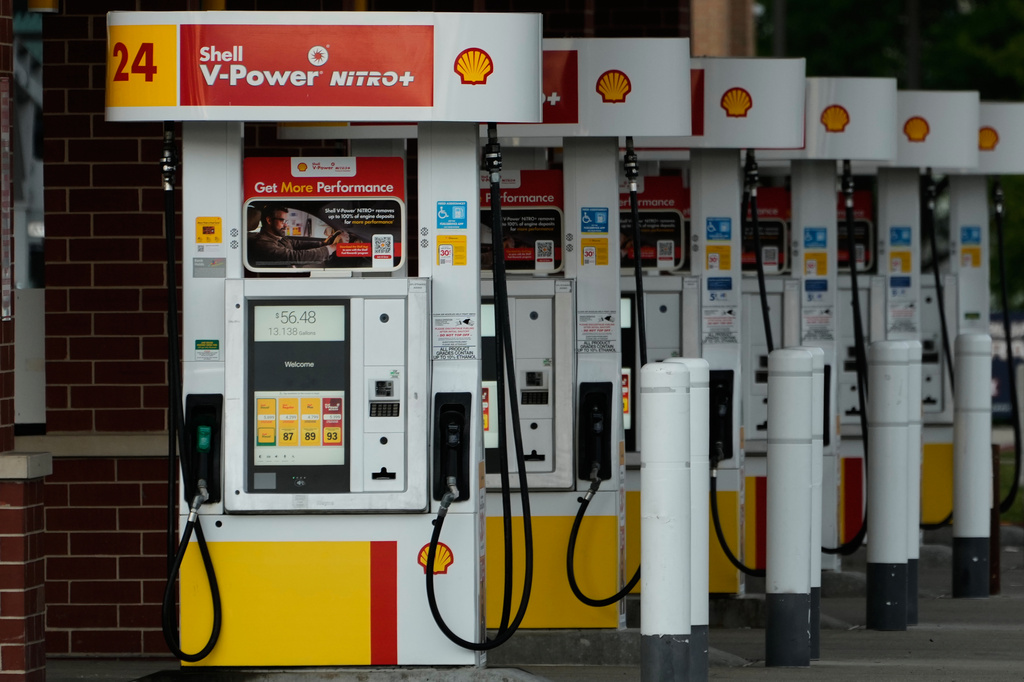

The Treasury Department announced Wednesday that it will permit companies to seek authorization for reselling Venezuelan oil to Cuba, a policy change that could help address the Caribbean island’s severe fuel shortage crisis.
Cuba’s energy situation has deteriorated significantly since Washington assumed oversight of Venezuela’s oil exports in early January following the detention of Venezuelan President Nicolas Maduro. The halt in Venezuelan shipments has intensified Cuba’s energy emergency, affecting electricity production and fuel availability for transportation, residential use, and aviation.
For over two and a half decades, Venezuela served as Cuba’s primary source of crude oil and refined fuel through a partnership agreement that largely involved trading goods and services rather than cash payments. Mexico, which had stepped in as an alternative fuel supplier, has also stopped deliveries to Cuba since a shipment reached Havana in January, shipping records indicate.
Major international trading companies like Vitol and Trafigura manage most of Venezuela’s petroleum exports, shipping millions of barrels to destinations including the United States, Europe, and India, while storing additional supplies at Caribbean facilities for future sales.
President Donald Trump has stated that Venezuela’s partners who previously received oil through exchange agreements, debt settlements, and similar arrangements must now purchase shipments at current market rates. This requirement affects countries including China and Cuba.
Secretary of State Marco Rubio traveled to the Caribbean Wednesday to meet with regional officials who have expressed concerns that Cuba’s worsening humanitarian situation could create regional instability.
Despite this new authorization process, questions remain about Cuba’s ability to purchase oil without preferential payment terms. Given Cuba’s recent difficulties affording fuel on international markets, any purchases from traders would likely require standard business conditions including financial guarantees and immediate payment.
The Treasury Department’s new guidelines specify that approved transactions must “support the Cuban people, including the private sector,” covering commercial and humanitarian exports to Cuba. However, deals involving or benefiting Cuba’s military or other government agencies would not qualify for approval.
The Bureau of Industry and Security had earlier issued guidance permitting exports and re-exports of American gas and petroleum products to qualifying Cuban private sector businesses.
While Cuba’s government maintains control over fuel distribution and electrical power through state-owned enterprises, fuel users also include private airlines and other commercial entities.
Treasury officials noted that license applicants don’t require an existing U.S. business presence, and restrictions from a January license for general Venezuelan oil exports wouldn’t apply to Cuban transactions.
American pressure on both Venezuela and Cuba has resulted in multiple fuel shipments remaining undelivered since December, contributing to the island’s struggles with power outages and transportation fuel shortages.
One vessel connected to Cuba that loaded Venezuelan gasoline in early February at a facility run by state oil company PDVSA has remained anchored in Venezuelan waters this week awaiting departure clearance. The same ship had previously taken on Venezuelan jet fuel but returned that cargo, company records revealed.
No oil shipments have left Venezuela since January without Washington’s approval, as the U.S. now oversees the country’s export operations and revenue under an arrangement with interim President Delcy Rodriguez’s administration.
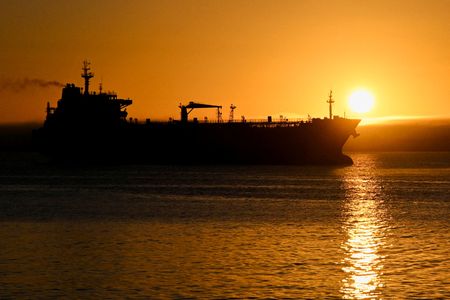
On Wednesday, the Hong Kong-registered tanker Sea Horse, carrying fuel potentially destined for Cuba, stopped moving in the Atlantic Ocean, according to vessel tracking information. The ship could have reached Cuba within days.
The tanker received its cargo through a ship-to-ship transfer in the Mediterranean, according to monitoring service TankerTrackers.com.
Hongkong Hangda Shipping LTD, identified in maritime records as the Sea Horse’s owner and operator, along with PDVSA, did not respond to requests for comment.