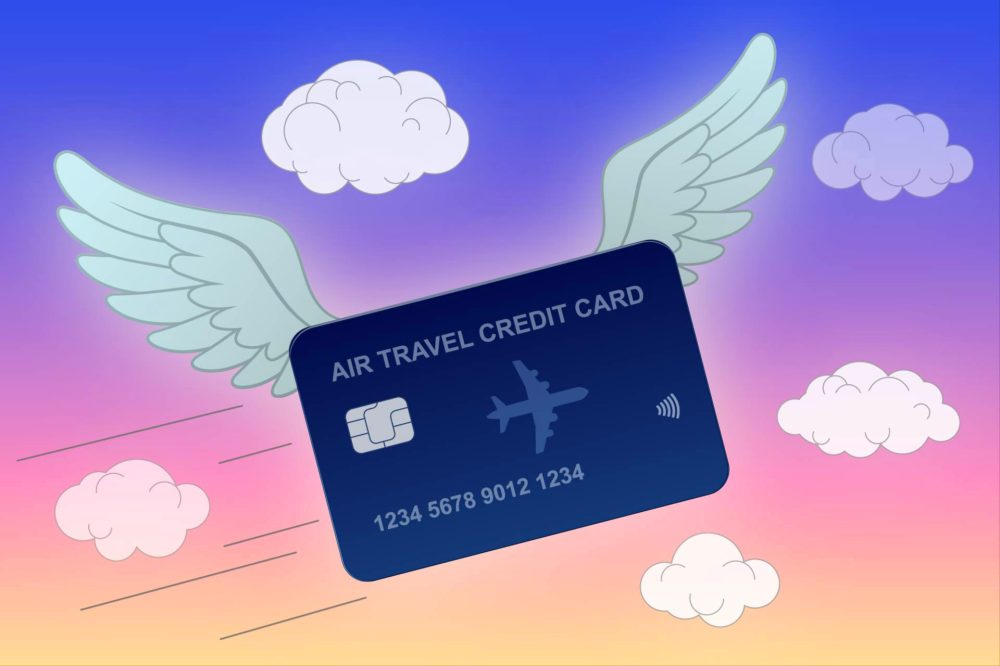

Travelers planning to use their accumulated airline miles and credit card points this summer are facing disappointing news.
Credit card holders who collect airline miles and travel rewards points will discover their accumulated balances provide less value during the upcoming travel season.
Jet fuel prices have surged due to the Iran conflict, pushing up both airline ticket costs and baggage fees. The Labor Department’s recent data shows airfares climbed 21% in April compared to the same month last year. Summer flights typically carry higher price tags due to increased passenger demand.
Travel industry experts warn that consumers hoping to redeem airline-branded credit cards or bank travel rewards for specific destinations or premium seats may need to contribute additional cash, select alternative locations, or accept less convenient flight times to maximize their account benefits.
During the initial phase of frequent flyer programs, airlines provided clear charts showing customers the exact mile requirements for upgraded service or distance-based flights. Today, nearly every carrier employs continuous fare adjustments through algorithm-driven dynamic pricing systems.
Point-based flight pricing now follows overall demand patterns, similar to cash fares. The monetary value of seats typically matches their point equivalent. Elevated airfares generally result in higher mile or point requirements for ticket purchases.
Well before current global oil supply disruptions, consumers, two U.S. senators, and former Transportation Secretary Pete Buttigieg criticized airline practices of raising point or mile requirements for free flights and reducing available reward seats before customers could use their loyalty earnings.
“There’s no question that dynamic award pricing, higher redemption rates on some domestic routes, and added fees have made it harder to find the outsized deals that travelers enjoyed a decade ago,” said Brian Kelly, the travel and credit card rewards expert better known as The Points Guy. “But that doesn’t necessarily mean points have lost value. It just means consumers need to be more strategic about how they redeem them.”
However, positive aspects exist for travelers.
Multiple methods exist for accumulating airline miles, with most programs offering no expiration dates. Enrolling in an airline’s frequent flyer program represents the most straightforward approach and typically requires no fees. Based on the carrier, members accumulate miles through flights with the airline or partner companies and can exchange them for benefits including flight discounts, seat improvements, or baggage allowances. Premium loyalty program levels also provide advantages such as priority boarding or waived baggage costs.
Leading airlines collaborate with financial institutions to offer co-branded credit cards that include annual fees. These cards generate miles for users with every purchase.
“When you’re going to spend money anyway, you might as well get something back for it,” said Adam Morvitz, a credit card miles expert and CEO of point.me, a travel loyalty platform. “If you’re already buying groceries, paying for gas or booking a hotel, a travel rewards card turns that everyday spending into points that can fund your next trip.”
Frequent flyer status or airline credit cards may provide summer cost savings in this area. To compensate for increased jet fuel expenses, several U.S. airlines have elevated checked baggage fees for domestic and many short-distance international flights. United Airlines increased first checked bag costs from $40 to $50. Delta Air Lines raised their initial checked bag fee from $35 to $45.
Airlines continue permitting customers with high-tier loyalty status or holders of credit cards like the Delta SkyMiles Card from American Express or United’s card with Chase to check bags without charge.
Financial companies including American Express, Chase Bank and CitiBank offer their own travel credit cards that provide points through purchases. Travelers seeking flexibility to fly with multiple airlines typically prefer these options. Card benefits may include airport lounge access, travel insurance, eliminated foreign transaction fees, and TSA PreCheck or Global Entry credits.
“For those who spend responsibly, the value is incredible as you’re able to get more in value from the perks, even if there is an annual fee,” he said.
For newcomers, Morvitz suggests flexible points cards rather than airline-specific choices because they allow transfers between loyalty programs and offer more redemption possibilities if airlines modify their award pricing. He advises consumers to select cards matching their actual spending patterns — such as cards offering bonus categories for groceries or dining — while evaluating whether annual fees justify the benefits they’ll genuinely utilize.
Many banks are advertising substantial sign-up bonuses as people develop summer travel plans, including offers of 100,000 miles or up to 150,000 miles or points for new customers who meet qualifications and spend specified amounts within designated timeframes — typically the initial three months. Kelly noted these bonuses create favorable timing for obtaining such cards, potentially making trips more affordable for those requiring additional points.
These enrollment offers can represent among the most valuable reward card features, sometimes worth over $1,000 in travel benefits, Morvitz explained. However, consumers should carefully monitor minimum spending requirements for qualification. He also suggests utilizing category bonuses and shopping portals to maximize rewards while always including frequent flyer numbers with airline bookings.
The crucial consideration is that bank travel cards or airline loyalty cards lose their value if balances are carried over. Average credit card interest rates range between 21% and 24%, meaning even a $1,000 balance can rapidly eliminate savings from complimentary checked bags.
“Travel rewards cards are one of the best financial tools available to responsible cardholders, but they’re designed for people who treat them like a debit card,” Morvitz said. “Spend what you’d spend anyway and always pay the balance in full each month. The moment you start carrying a balance and paying interest, the math works against you.”
Hotels present another area where travelers may receive reduced value from reward points this summer. Hyatt restructured its loyalty program this week, expanding from three tiers to five. While some budget hotel stays will maintain current point requirements, the same may not apply to Hyatt’s premium properties.
The travel blog One Mile at a Time calculated that some of Hyatt’s most exclusive properties could cost up to 67% more with points under the revised system.
“If you’re sitting on hotel points, don’t sit and hoard them. … They quickly seem to be getting less valuable,” said Sally French, who covers credit cards and loyalty programs for Nerd Wallet.