
Global markets and oil prices have been thrown into turmoil after the United States and Iran exchanged new strikes, with President Donald Trump suggesting that fragile peace negotiations between the two nations may be finished.
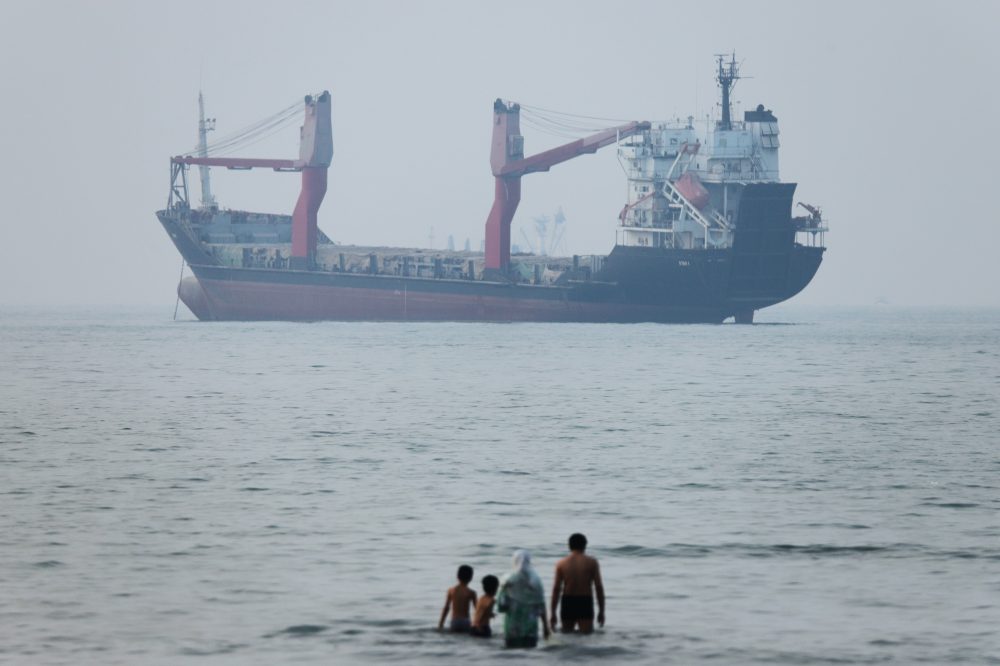
The stakes are enormous — the lives of Iranians and people throughout the broader region, including those in Israel and Lebanon, foreign nationals living in Gulf countries, American military personnel stationed across multiple nations, and thousands of sailors aboard ships hoping to pass through the Strait of Hormuz all hang in the balance.
Below is a chronological look at how the conflict and diplomatic efforts have unfolded:
The war began when Israel and the U.S. launched attacks on Iran, killing Supreme Leader Ayatollah Ali Khamenei along with other senior officials. Iran responded swiftly with strikes against Israel and targets across the Gulf region, while also asserting control over the Strait of Hormuz — a critical passage for the world’s oil and natural gas supplies.
Iran-backed militant group Hezbollah, based in Lebanon, joined the fighting by launching rockets into Israel. Israel struck back, eventually launching a ground invasion that came to occupy large portions of southern Lebanon.
In the wake of Khamenei’s death, Iran named his son Mojtaba as the new supreme leader. Mojtaba has not appeared publicly and is believed to be in hiding, reportedly having been injured during the initial strikes that started the war.
A shaky two-week ceasefire was negotiated — though Israel was left out of those discussions entirely.
The U.S. and Iran held historic face-to-face talks in Pakistan’s capital, but the hours-long session concluded without any agreement being reached.
Trump announced that the U.S. had begun blocking Iranian ports in an effort to pressure Tehran into relinquishing its hold on the strait.
For the first time in decades, Lebanon and Israel held direct diplomatic talks in Washington.
Iran announced it had reopened the strait to shipping traffic, but that opening proved short-lived.
Trump declared he was extending the ceasefire indefinitely.
Trump also announced a U.S. effort to escort ships through the strait — an initiative that also did not hold.
Israel’s ground campaign in Lebanon pushed further than it had in more than 25 years, even as Hezbollah kept up rocket attacks on northern Israel.
Israel and Lebanon said they had agreed to renew their fragile ceasefire and establish security zones designed to keep Hezbollah out — but both sides quickly resumed firing at one another.
Iran launched strikes at Israel for the first time since a ceasefire had taken effect in early April, and Israel returned fire.
Trump announced that an interim agreement had been reached with Iran and would be signed within days. Iran maintained the deal also meant an end to fighting in Lebanon.
Trump signed a formal agreement with Iran requiring Tehran to reduce its stockpile of highly enriched uranium. The deal also waived U.S.-backed sanctions, immediately allowing Iran to sell its oil on the open market.
Vice President JD Vance said new discussions with senior Iranian officials held in Switzerland had created a “good foundation for a successful final deal.”
Israel and Lebanon announced a U.S.-backed framework agreement, described as an initial step toward lasting peace.
Host nation Qatar reported that U.S. and Iranian negotiators met separately with mediators from Qatar and Pakistan, with “positive progress made.”
Iran’s joint military command issued a warning that all oil tankers moving through the strait must follow its approved shipping routes or face a “forceful response.”
Iran held a multi-day funeral for the late Supreme Leader Khamenei. Talks aimed at reaching a final deal on both the war and Iran’s nuclear program were expected to pick back up after the ceremonies concluded.
Iran was then accused of striking three vessels in the strait on a single day — the highest number since late April. The U.S. responded by hitting dozens of targets inside Iran and reinstating sanctions on Iranian oil sales. Iran’s chief negotiator declared that “The era of bullying and extortion is over.”
Trump then announced that the ceasefire itself was “over,” though he left open the possibility that negotiations could continue — a statement that has raised serious fears the broader conflict could reignite.