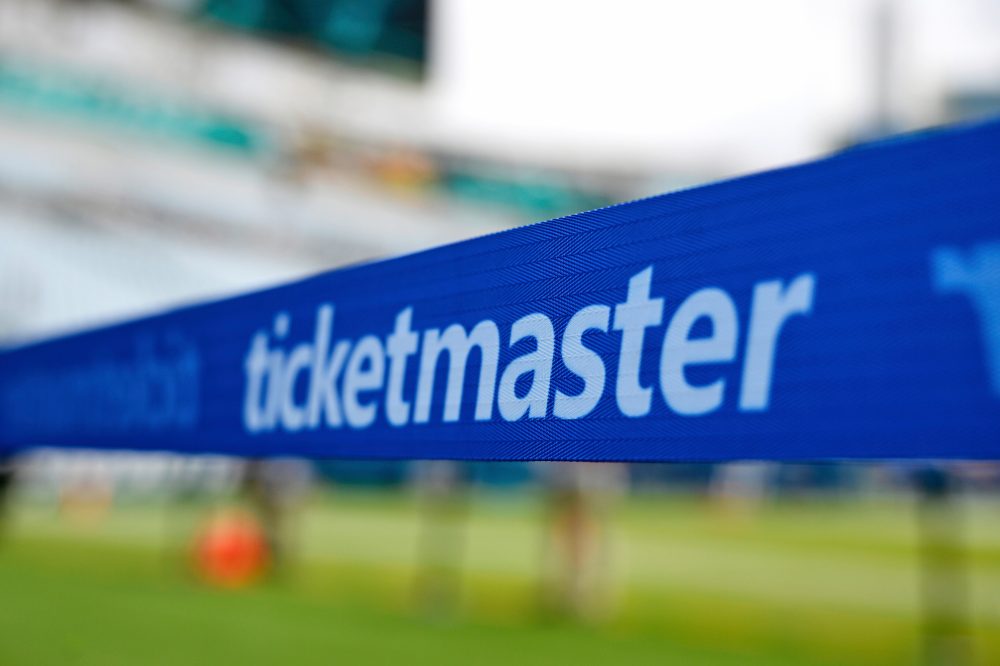

NEW YORK — A significant antitrust case against Live Nation and Ticketmaster will move forward Monday as more than 30 states rejected a federal settlement and chose to continue their legal battle against the entertainment conglomerate.
During a Friday court session in New York, attorneys informed the presiding judge that just seven states with Republican attorneys general — Arkansas, Iowa, Mississippi, Nebraska, Oklahoma, South Carolina and South Dakota — agreed to accept the Justice Department’s negotiated settlement with the concert industry powerhouse.
The remaining 32 states intend to press their case before a jury, alleging that Live Nation Entertainment and its ticketing division Ticketmaster use intimidation, retaliatory measures and other anti-competitive strategies to dominate nearly every facet of the live entertainment business, including concert promotion and ticket sales, ultimately inflating costs for consumers.
Live Nation maintains its innocence, arguing the company does not hold a monopoly position and that performers, athletic organizations and entertainment venues are responsible for setting ticket prices and determining sales methods.
The trial had already begun with witness testimony when the U.S. Justice Department, which initiated the lawsuit against Live Nation, announced it had negotiated an agreement with the company. The federal deal would allegedly benefit consumers by allowing Live Nation’s competitors access to certain ticket markets where they are currently shut out.
Numerous states expressed dissatisfaction with the federal agreement, claiming government negotiators failed to secure adequate concessions from the entertainment giant.
Court proceedings were suspended for one week to allow additional settlement discussions, but Judge Arun Subramanian announced Friday that the trial would proceed after no significant progress was achieved.
The judge also rejected Live Nation’s attempt to exclude certain trial evidence, including internal communications where a company worker described VIP pricing at a Tampa, Florida amphitheater as “outrageous,” called customers paying the fees “so stupid” and wrote “I almost feel bad taking advantage of them” followed by “BAHAHAHAHAHA.”
Live Nation’s legal team opposed including these materials, arguing the employees were making “passing references to non-ticket ancillary products — such as VIP club access, premier parking, or lawn chair rentals — sold to concertgoers at two amphitheaters” in Florida and Virginia.
Judge Subramanian determined that the complete fan experience relates to the connection between performers and their audiences, noting that some artists might refuse to perform if fans face excessive charges for lawn chairs or other amenities.
The judge drew a comparison to potential damage to the movie industry if theaters began charging $50 for concession items like beverages, candy and popcorn.
During Tuesday’s court hearing, Live Nation attorney Dan Wall informed the judge that the likelihood of all states resolving their claims during the week was “about zero.”