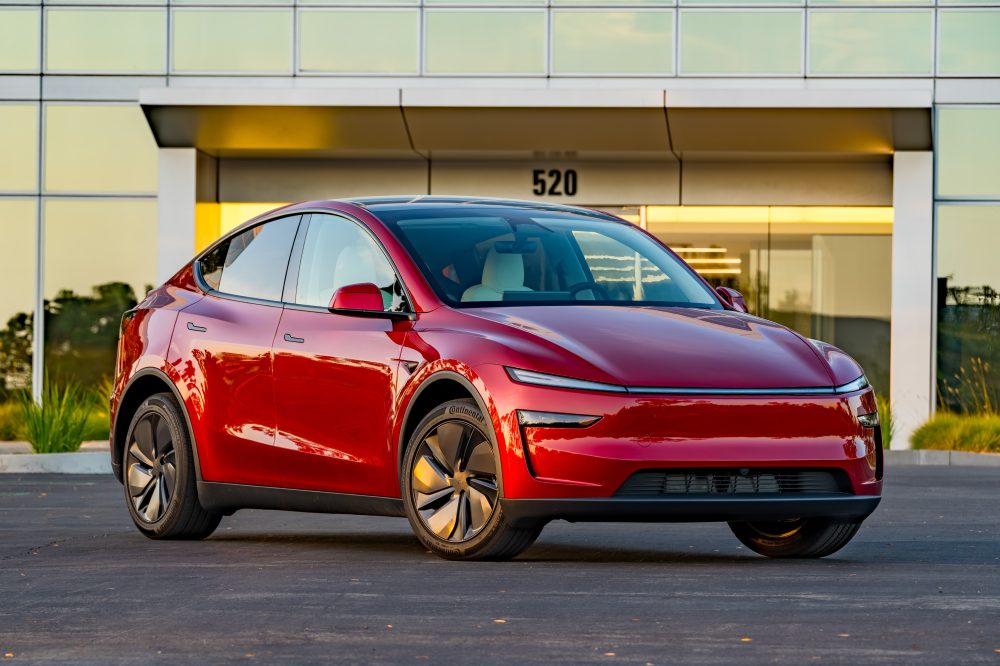

When car buyers make the decision to purchase an electric vehicle, the challenging part becomes selecting the right model. Electric SUVs are becoming increasingly popular among consumers who need practical vehicles for daily use. Current models offer sufficient driving range for regular commutes and occasional long-distance trips while providing family-friendly space and cutting-edge technology. Two standout options are the Tesla Model Y and Toyota bZ.
Tesla’s top-selling electric vehicle receives significant updates for 2026, featuring refreshed appearance, enhanced ride quality, and an upgraded interior. Meanwhile, Toyota’s electric SUV has undergone complete redesign for 2026, transforming it into a much stronger competitor compared to the previous version. Automotive testing experts conducted a comprehensive comparison of these electric SUVs to determine which deserves consideration for purchase.
Toyota’s inaugural all-electric SUV, previously called the bZ4X, underwent such extensive changes that it received a new designation. Most notably, driving range has seen substantial improvement. The front-wheel-drive 2026 bZ achieves up to 314 miles per charge based on EPA ratings. Independent testing confirmed these figures, with one test vehicle achieving 331 miles, an outstanding performance for a compact electric SUV.
Similar to the bZ, various Model Y configurations offer different range capabilities. The Premium Rear-Wheel Drive version provides the longest range at an EPA-estimated 357 miles. While this specific Model Y variant hasn’t undergone independent range testing, other tested Model Y versions have met their EPA projections.
Testing also examined charging performance for both SUVs at public fast-charging locations. Both vehicles delivered comparable results, potentially adding approximately 100 miles of range within 15 minutes. However, the Model Y offers greater charging convenience through Tesla’s extensive Supercharger network.
Winner: Model Y
The Tesla Model Y continues to rank among the most enjoyable electric SUVs to operate. It provides rapid acceleration, smooth ride quality, and sporty handling characteristics around turns. The interior maintains excellent sound isolation from external noise, while front seats offer extensive adjustment options for extended driving comfort.
Although the previous bZ4X suffered from sluggish performance, the new bZ delivers impressive acceleration in both single and dual-motor options. The front-wheel-drive bZ actually exceeded the base Model Y Rear-Wheel Drive in acceleration testing from 0-to-60 mph, while the all-wheel-drive bZ finished slightly behind the Model Y All-Wheel Drive in identical testing. The bZ provides comfortable ride quality over rough surfaces, though it lacks the Model Y’s composure during cornering maneuvers.
The Model Y offers significantly superior interior room. It provides greater rear passenger legroom, accommodating adults more comfortably and offering additional space for large rear-facing car seats. The Model Y also delivers more cargo capacity and additional storage compartments for smaller items.
Winner: Model Y
Tesla’s entertainment system continues to excel with its intuitive interface and rapid responsiveness. Dual wireless charging pads enhance convenience, while Tesla’s sophisticated driver assistance technology provides competitive advantages. The Full Self-Driving (Supervised) capability stands out for enabling hands-free operation on highways and city roads. Nevertheless, the absence of Apple CarPlay and Android Auto connectivity might concern some purchasers.
Toyota responds with a new 14.1-inch touchscreen entertainment system that offers user-friendly operation and supports wireless Apple CarPlay and Android Auto connections. Dual wireless phone charging stations are located in front, with four fast-charging USB-C ports throughout the vehicle. Standard driver assistance capabilities are extensive. The bZ includes hands-free driving functionality, though it operates only at reduced speeds on highways.
Winner: Model Y
The entry-level Model Y Rear-Wheel Drive begins at $41,630 including destination charges. However, this base model lacks several desirable electric vehicle features. The Premium Model Y version represents the better choice due to increased power, slightly extended range, and enhanced interior appointments. A Model Y Premium All-Wheel Drive costs $51,630.
The Toyota bZ starts at $36,495 and includes substantial equipment for the price, particularly considering the enhanced performance and range now available. The highest-trim bZ Limited adds additional features and compares favorably to the Model Y Premium. It costs $46,895 in the available all-wheel-drive configuration.
Winner: bZ
The Toyota bZ’s enhancements transform it into a significantly more attractive electric SUV than its predecessor, with its affordable starting price appealing to budget-conscious buyers. Nevertheless, the Tesla Model Y maintains its leadership position in this market segment through superior technology, performance, and overall polish. While Toyota has achieved notable improvements, the Model Y remains the superior option.
This story was provided to The Associated Press by the automotive website Edmunds. Bradley Iger is a contributor at Edmunds.