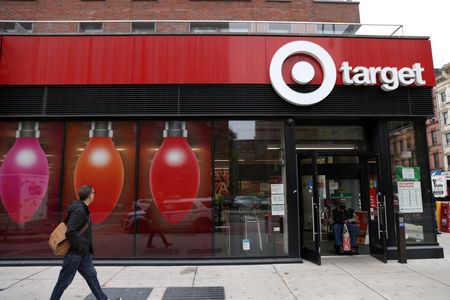

Shareholders at Target Corporation voted down a proposal Wednesday that would have split the company’s board chair and executive leadership positions, according to two individuals with direct knowledge of the voting results.
The outcome enables former CEO Brian Cornell to continue in his role as executive chair, even as investors have increasingly called for more independent oversight.
During Target’s annual shareholder meeting, investors also rejected a proposal that would have required the company to publish reports about pesticides used in its private-label products and efforts to minimize microfiber emissions from merchandise, sources confirmed.
Although specific vote tallies have not yet been disclosed, all nominated directors successfully won election to the board, the sources added.
Target representatives declined to provide comment on the voting outcomes.
The retail giant has faced challenges keeping up with competitors like Walmart and Costco as budget-conscious shoppers increasingly seek lower prices amid ongoing inflation concerns, putting pressure on both sales figures and profit margins.
The company’s market value has dropped by approximately 50% since 2021, sparking questions about its strategic direction and operational performance.
While recent financial reports have indicated some improvement, Target has warned that challenging economic conditions may continue to impact consumer demand.
Governance questions became more prominent after Target moved longtime CEO Brian Cornell into the executive chairman role, which provides operational oversight of his replacement Michael Fiddelke.
During Cornell’s tenure as CEO, Target faced various merchandising challenges and made decisions including stepping back from diversity, equity and inclusion programs, moves that negatively affected sales and customer relationships.
Fiddelke, who assumed the CEO position in February, is allocating $2 billion this year toward maintaining adequate inventory levels and adjusting pricing strategies to better compete with aggressive discounting from Walmart, Amazon and discount retail chains.