
DAR ES SALAAM, Tanzania — The Tanzanian government moved Friday to ban all political rallies as the country braces for planned demonstrations against last year’s contested election and the imprisonment of a prominent opposition figure.
Internal Affairs Minister Patrobas Katambi issued a directive to Police Inspector General Camillus Wambura, ordering him to halt the issuance of permits for political gatherings throughout the East African nation.
The move comes after Tanzania experienced its first postelection protests in 2025. The ruling party claimed an overwhelming victory in last year’s general election after the country’s largest opposition party chose to boycott the vote and the presidential candidate from the second-largest opposition party was blocked from participating.
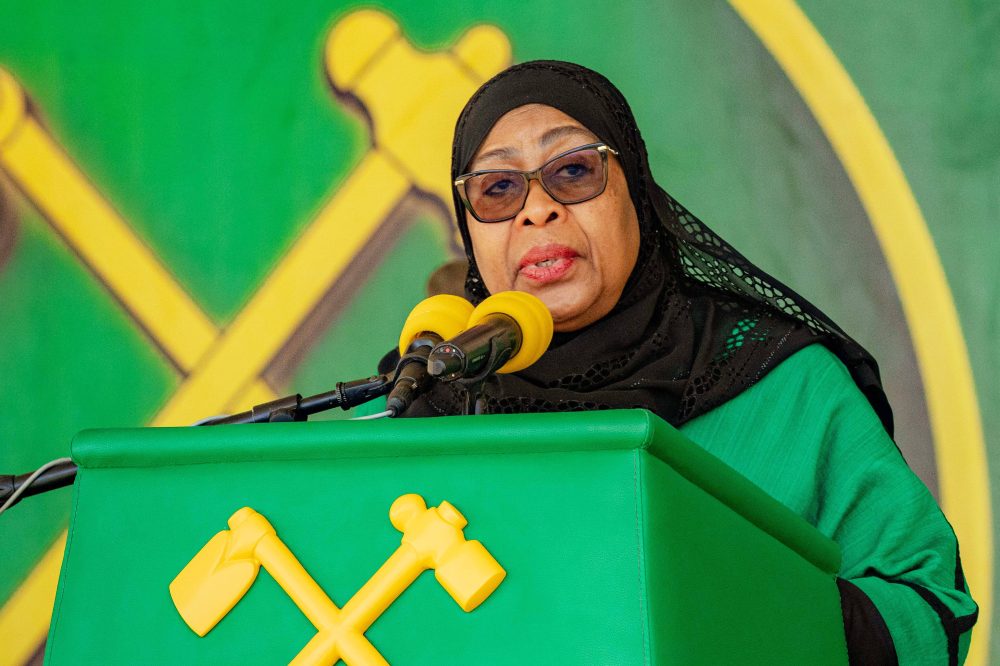
Young Tanzanians have announced plans to take to the streets on July 7, protesting the reelection of President Samia Suluhu Hassan and demanding that a new constitution be drafted. Authorities have already arrested individuals connected to the protest organizers, who have been coordinating the demonstrations through social media platforms.
Demonstrators are also demanding freedom for opposition leader Tundu Lissu, who faces treason charges stemming from his calls for political reforms before last year’s elections. Protesters are additionally seeking accountability for the widespread violence that followed the election, during which more than 500 people lost their lives.
Tanzania Law Society President Boniface Mwabukusi pushed back strongly against the ban, saying the government had “no authority whatsoever to prohibit or permit meetings that are legally allowed.”
“We will convene to determine the legal measures we will take, both domestically and internationally, against anyone who attempts to enforce this unlawful and invalid directive in violation of the Constitution and the laws of the country,” Mwabukusi added.
The ban is particularly notable given that President Hassan herself lifted a six-year prohibition on opposition rallies back in 2023 — a restriction that had been put in place by her predecessor, John Magufuli.
Opposition parties have labeled the new ban politically driven and a breach of constitutional rights, arguing that political parties are guaranteed the legal right to hold public gatherings.
Rugemeleza Nshala, chief legal counsel for opposition party Chadema, said the ban was designed to “muzzle political freedom” and that the party was “contemplating other legal actions locally and internationally to challenge the decision.”
Rashid Ali, the shadow minister for Defense, Internal Affairs and Security for the main opposition party ACT Wazalendo, characterized the directive as yet another attempt to undermine the country’s constitution.