
Taiwan’s presidential office issued strong criticism of China on Sunday following reports that a New York Times journalist was forced out of the country after her publication interviewed Taiwan’s leader.
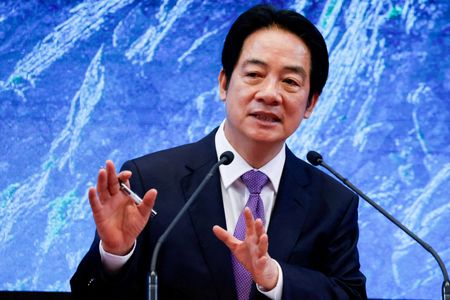
Beijing considers the democratically-run island nation to be part of its territory and labels President Lai Ching-te a “separatist.” Lai disputes Beijing’s claims of control and maintains that only Taiwan’s citizens should determine the island’s destiny.
The newspaper reported Friday that journalist Vivian Wang was forced to leave China in February.
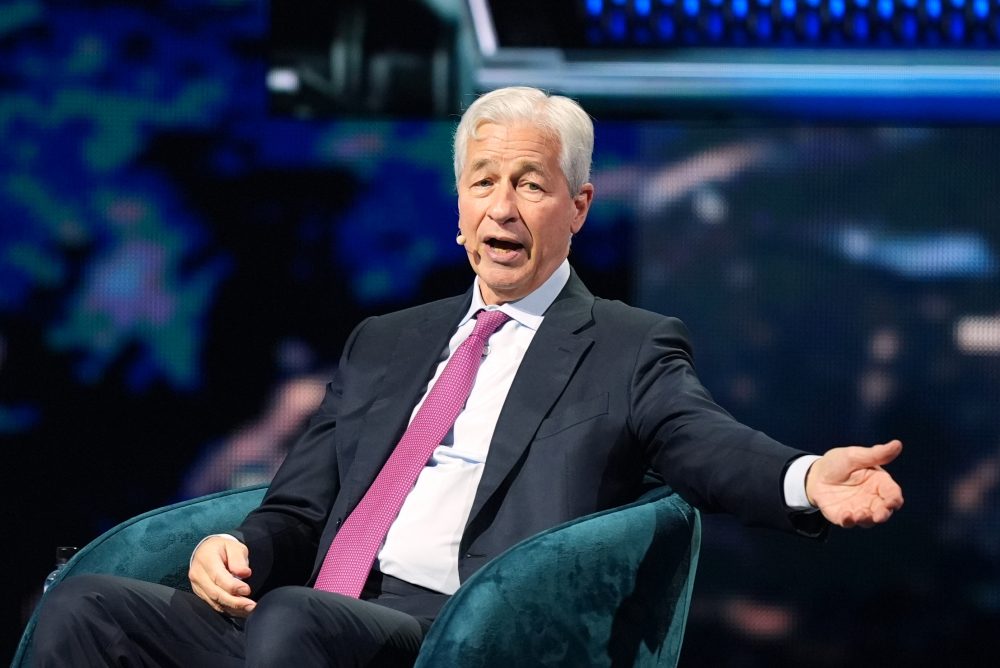
According to the publication, Chinese authorities explained the action as retaliation for the newspaper’s December video interview with Lai during its DealBook summit, though Wang was not involved in that interview.
Presidential office spokesperson Karen Kuo stated that conducting interviews and sharing the administration’s positions globally is routine for Lai.
“China’s use of groundless pretexts and crude methods to threaten the media and interfere with press freedom not only fails to improve its international image, but also highlights that today’s China is indeed a source of instability,” she said in a statement.
Both China’s foreign ministry and the U.S. State Department did not immediately provide responses when contacted for comment.
Wang had been stationed in China, where her reporting covered topics such as censorship and Beijing’s handling of COVID. She also did not respond immediately to requests for comment.
Kuo declared that Taiwan “will not be silenced by oppression” and will continue sharing its positions with the global community in a “steady and responsible manner”.
Taiwan has accused China of escalating what the island calls “transnational repression,” including imposing penalties on Taiwanese officials and legislators despite Chinese law having no authority over the island.
International correspondents in China typically receive only one-year visas that require annual renewal and can be canceled without notice.
China forced out more than a dozen international journalists working for U.S. news organizations in 2020, during a period of retaliatory measures between the two nations. Washington also reduced the number of journalists allowed to work in the United States for four major Chinese state-controlled media companies.