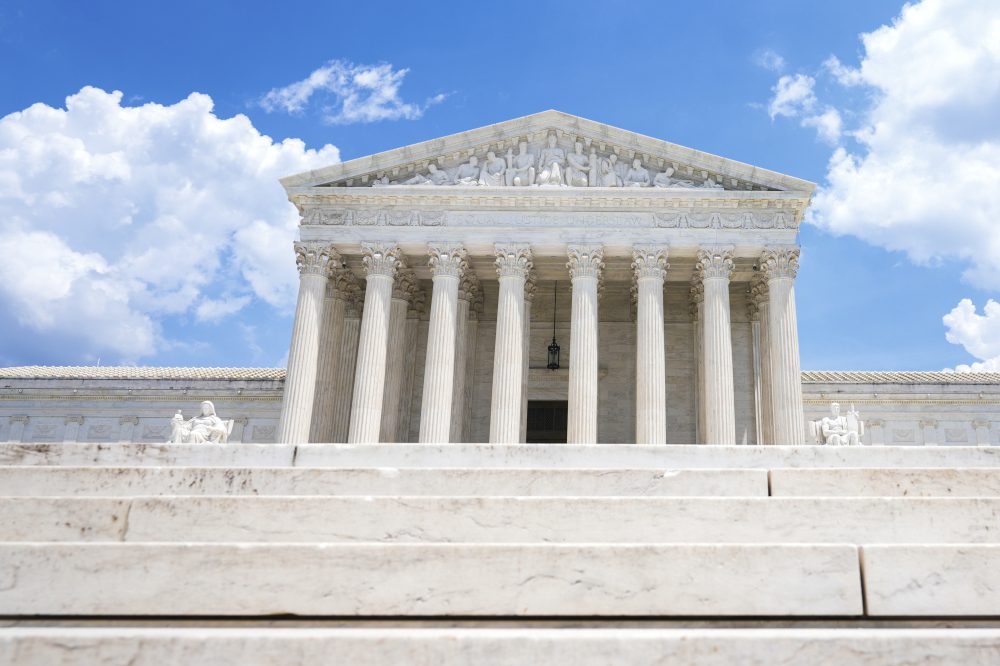

WASHINGTON — The nation’s highest court on Monday turned away an effort to revive a lawsuit filed by a former aide to Donald Trump’s 2016 presidential campaign who had been the subject of covert government surveillance during the FBI’s investigation into Russian interference.
Carter Page, who previously reached a $1.25 million settlement with the United States government, had sought to keep his legal battle alive against then-FBI Director James Comey and other former officials. Page accused them of conducting “unlawful spying” as investigators looked into whether the Trump campaign had worked with Russia to influence the 2016 presidential election.
Page consistently and firmly denied any improper connections to Russia and was never charged with a crime. A government watchdog later issued a scathing review of the surveillance applications that were used against him.
Lower courts had dismissed his lawsuit, partly on the grounds that he had not filed suit against the individuals who actually conducted the surveillance. The Supreme Court issued a short order declining to take up the case, offering no explanation — which is standard practice when the court refuses to hear an appeal.
Page had alleged that FBI and Justice Department officials made a series of mistakes and left out critical information when they submitted applications in 2016 and 2017 to the Foreign Intelligence Surveillance Court, seeking permission to monitor him on suspicion he was acting as a Russian agent.
Former FBI and Justice Department leaders who had signed off on those surveillance requests have since acknowledged they would not have done so had they been fully aware of the problems involved. The FBI has said it launched more than 40 corrective measures to improve the accuracy and completeness of future applications.
Even with the flaws in the warrant applications, the surveillance of Page represented only a small part of the broader investigation into possible ties between the Trump campaign and Russia.
Special counsel Robert Mueller’s investigation concluded that Russia had worked to help Trump during the 2016 campaign and that the campaign had welcomed that help. However, Mueller’s team determined there was not enough evidence to establish that a criminal conspiracy had taken place between the campaign and Russia.
Page’s settlement with the Trump administration came in April, while his Supreme Court appeal was still pending. That settlement followed by about a month a roughly $1.2 million settlement with Michael Flynn, the former Trump national security adviser who pleaded guilty to lying to the FBI about conversations he had with a senior Russian diplomat. Flynn was later pardoned.