
Soccer enthusiasts across multiple states will have more options for watching World Cup matches with a drink in hand as officials approve extended operating hours for bars and restaurants during the tournament.
Officials in six states have greenlit measures allowing establishments to serve alcohol later into the night throughout the global soccer championship. The initiatives aim to support struggling hospitality businesses while enhancing the viewing experience for fans who couldn’t afford tournament tickets. Some view these extensions as a final attempt to generate revenue as projected World Cup economic benefits have fallen short of expectations.
Kansas, Missouri, New Jersey, Pennsylvania, Rhode Island and Washington have all enacted different versions of extended service hours during the competition. Similar legislation is under review in New York and Massachusetts.
Under the new rules, Philadelphia venues can remain open until 4 a.m. during both the World Cup and America 250 festivities. Kansas City establishments may operate until 5 a.m. under certain conditions.
These modifications require local government approval, and no establishment faces mandatory participation. However, the hospitality sector, already facing declining revenue and rising costs, welcomes the opportunity for extended operations.
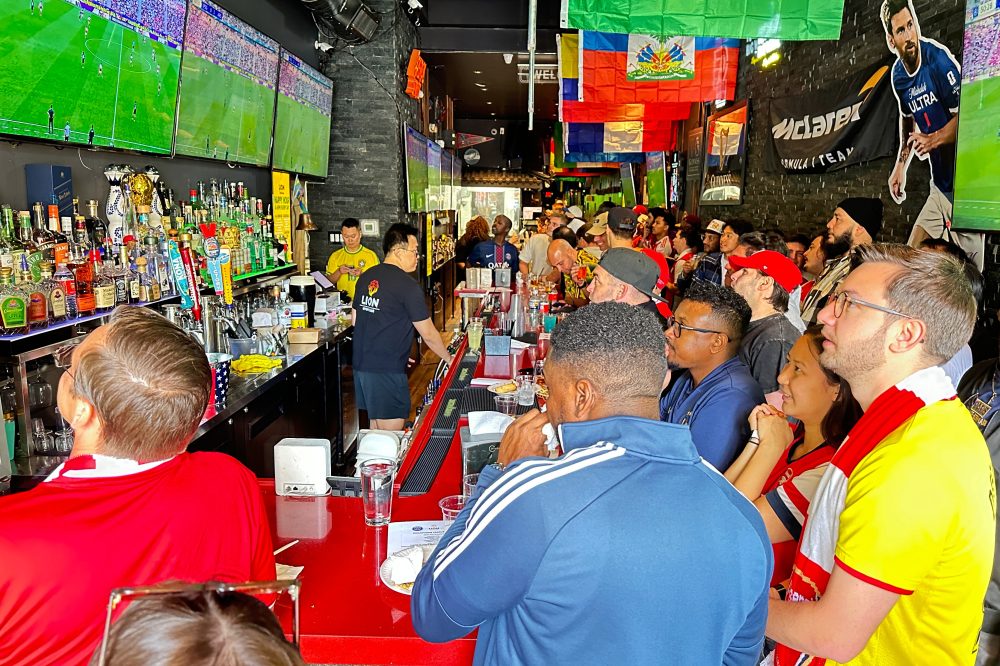
Mark Prinzinger, who operates Lion Sports Bar in Philadelphia, called watching matches with international fans a “magical experience.” With the chance to extend operations by two hours, he’s brought on additional employees, simplified food offerings and organized late-evening events.
“People want to have a beer with other soccer fans and the great thing about the World Cup is that it brings people together from all over the world into one place to watch a sport that everybody loves,” he said.
Pennsylvania establishments like Prinzinger’s can shift their 2 a.m. closing time to 4 a.m. from June 11 through July 20, covering both the World Cup and America 250 commemorations. Gov. Josh Shapiro endorsed the measure in a social media video where he opened a beer while signing, adding the playful warning: “Celebrate responsibly, Philly.”
The extended drinking hours have prompted public safety concerns and questions about law enforcement resources, despite receiving support from both political parties.
Kansas City Mayor Quinton Lucas initially opposed the idea, stating his city “doesn’t need bars operating 23 hours” during the tournament and quipping, “Worry not, if you want to drink a ton, bars can open quite early.”
Bar operators push back against such criticism, emphasizing that most establishments focus on training employees to prevent excessive alcohol consumption.
“Just because people are hanging out at the bar watching a soccer game doesn’t mean they’re getting blitzed,” Prinzinger said. “In fact, I would say it’s completely the opposite. I think people want to watch the game. People want to be engaged.”
Rhode Island Rep. Teresa Tanzi supported this perspective.
“Not everybody that’s going to walk into a place is going to be chugging drinks and getting loaded,” Tanzi, a Democrat, said earlier this month on the House floor. “There are going to be families who are going to want a cheeseburger, an American cheeseburger, and a Coca-Cola.”
Rhode Island, positioned closer to host venue Gillette Stadium than Boston, is considering extending alcohol service until 3 a.m. and closing times until 4 a.m. The state currently enforces a 1 a.m. last call, with limited exceptions in Providence.
Lucas eventually changed his position, proposing a plan that permits Kansas City bars and restaurants to operate until 3 a.m., with select venues staying open until 5 a.m. if they provide security plans to police. Standard alcohol sales currently run from 6 a.m. to 1:30 a.m.
The trend extends beyond American borders. Pubs in England and Wales may remain open until 2 a.m. when English or Scottish teams compete in elimination rounds, following relaxed government licensing regulations.
In Scotland, which maintains separate governance, local officials can permit pubs to operate until 30 minutes after matches conclude.
Most World Cup games are scheduled for early afternoon through early evening hours. However, some matches begin later, with four starting at midnight and eight beginning at 10 p.m. in the Eastern time zone.
The actual demand for late-night food and beverages remains uncertain. American consumer patterns have changed significantly since the COVID-19 pandemic, with people preferring earlier outings and reduced overall spending, according to David Henkes, senior principal at restaurant industry research firm Technomic.
“It’s so hard to stay open late night or overnight just because it’s hard to find labor,” Henkes said. “I applaud the effort to give restaurants an opportunity to earn more revenue, but I’m not sure that there’s going to be significant enough demand for it to make sense for a lot of operators to do so.”
The policy changes also mirror international approaches, with pubs in England and Wales receiving permission for extended hours during key matches involving their national teams.