
Air passengers will soon encounter new restrictions on portable charging devices as airlines work to prevent dangerous lithium battery fires during flights.
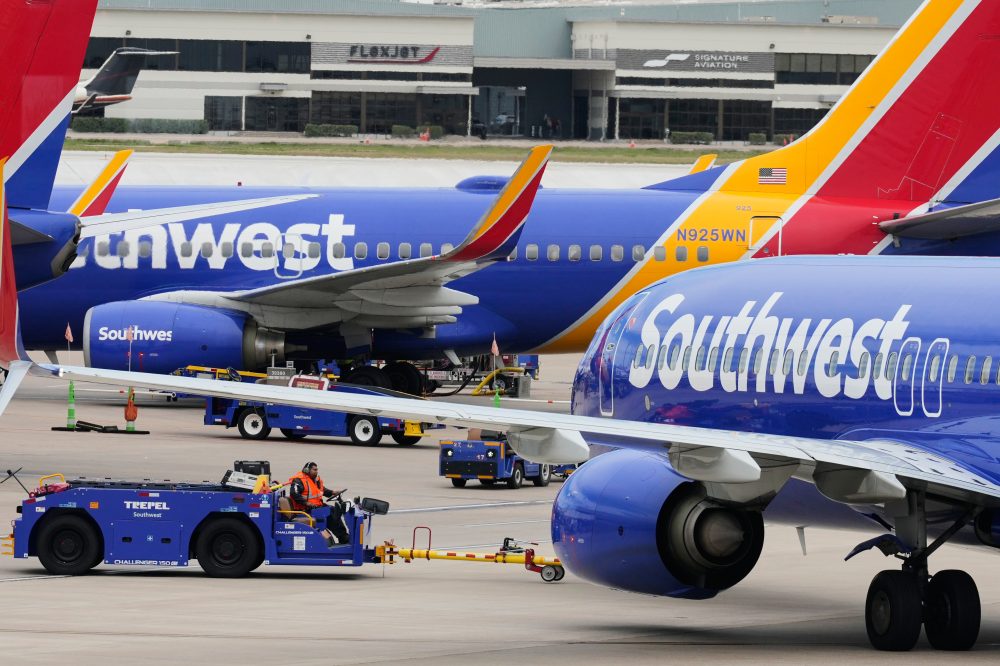
Beginning April 20, Southwest Airlines will implement a policy allowing passengers to bring only one portable charger aboard aircraft. The devices must remain in passengers’ personal possession throughout the flight and cannot be stored in overhead compartments or checked baggage. Southwest already mandates that charging devices stay visible during use so crew members can respond immediately if overheating occurs.
Southwest’s new limitation exceeds the International Civil Aviation Organization’s recent recommendation of two chargers per traveler. However, airline officials say they won’t conduct aggressive bag searches or confiscate devices. Instead, Southwest Vice President of Safety and Security Dave Hunt explained the carrier will educate passengers about the restrictions during booking and at airports while highlighting potential hazards.
This educational approach could prove effective since many travelers remain unaware of the dangers, according to Jeff Marootian, CEO of UL Standards & Engagement, which develops safety guidelines for electronic device manufacturers.
“A huge part of the concern here is seeing that number of incidents continue to increase, correlating, of course, to the number of devices that people are bringing on planes,” he said.
Federal Aviation Administration data shows lithium battery incidents reached 97 cases in 2025, with reports climbing annually as passengers carry increasing numbers of rechargeable electronics including smartphones, tablets, laptops and power banks. Marootian noted his organization receives approximately two incident reports weekly, documenting a 42% surge in portable charger-related problems during 2025.
A catastrophic incident occurred in January 2025 when a fire erupted on an Air Busan aircraft preparing for departure at a South Korean airport. All 176 passengers and crew evacuated safely before flames burned through the aircraft’s roof.
Flight crews carry specialized fire-resistant containers and protective gloves designed to isolate overheating electronics and prevent fire spread. Hunt stated Southwest’s updated regulations will “strengthen our ability to contain and mitigate lithium battery incidents, including reducing the risk of battery fires.”
To accommodate passengers affected by the new restrictions, Southwest plans to install power outlets at every seat by mid-2026.
Former United Airlines pilot Steve Arroyo, who flew commercially for 37 years and now works as an aviation safety consultant, praised Southwest’s proactive approach. While acknowledging that fires remain rare considering approximately 100,000 daily flights worldwide, he emphasized the severe potential consequences of battery incidents.
“It can turn into something very serious very quickly,” Arroyo said.