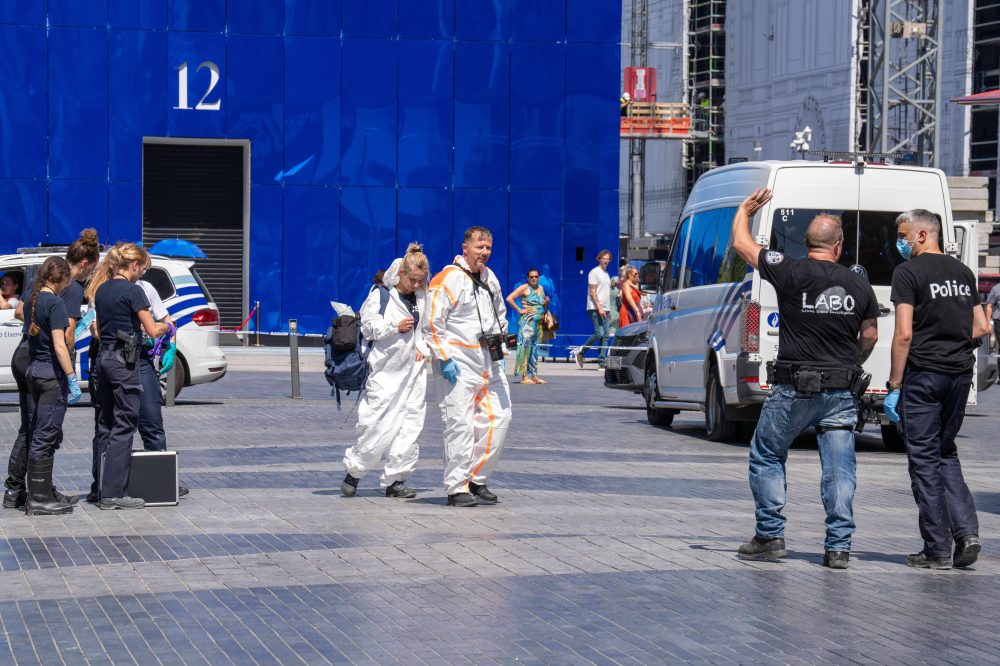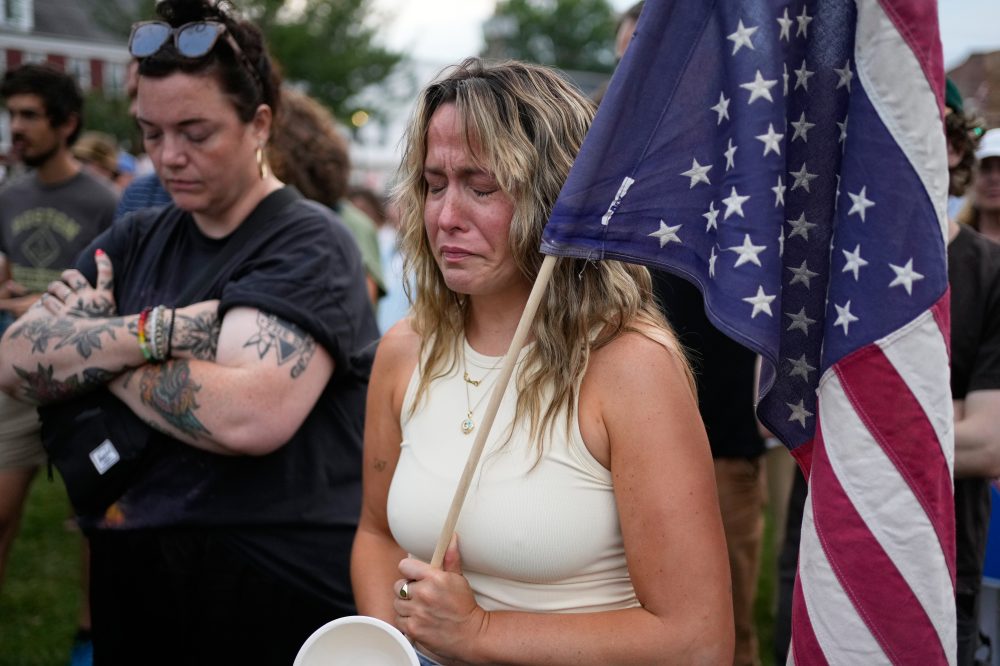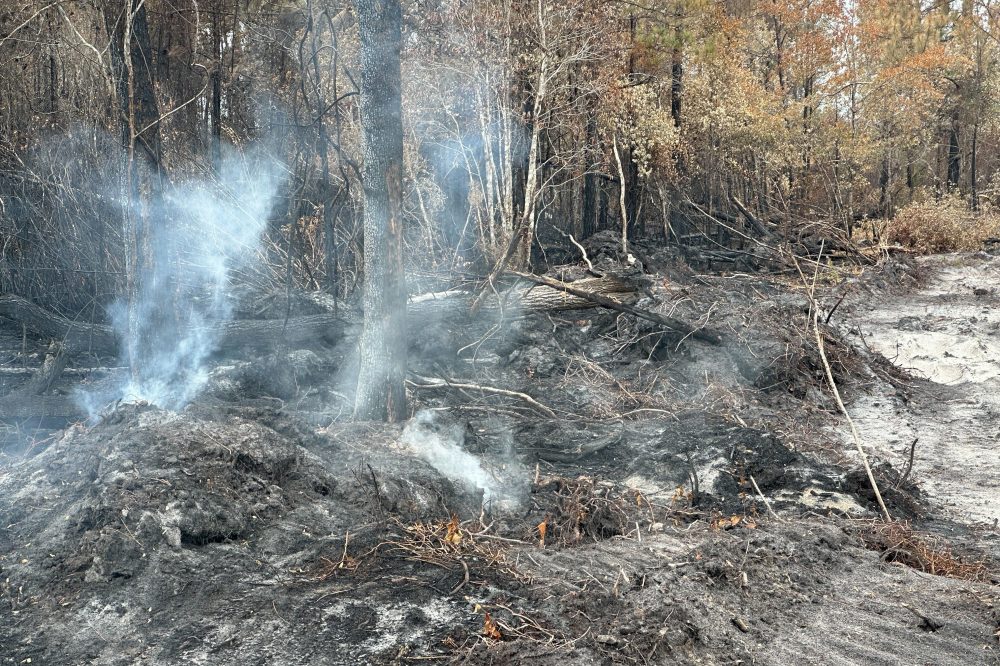

SAVANNAH, Ga. — Fire officials in southern Georgia say they’re preparing for an extended firefighting campaign against two massive wildfires that have leveled dozens of residences, despite weekend rainfall that significantly aided containment operations.
“A little bit of rain is going to help us, but it’s not going to get us out of this situation,” Georgia Gov. Brian Kemp told a news conference after touring the fire areas Tuesday. “We’re going to be in this for a while.”
The blaze in rural Brantley County has scorched approximately 35 square miles and wiped out more than 80 residences, with containment levels jumping to 32% as of Tuesday, according to the fire command team. This marks a dramatic improvement from Monday’s 6% containment figure.
Sunday’s precipitation provided crews with the opportunity to expand containment barriers around the fire’s edges and eliminate smoldering hotspots, according to Johnny Sabo, director of the Georgia Forestry Commission.
“As that number increases, our confidence at holding it in that footprint increases,” Sabo told reporters. He added: “We have a long way to go. I just want to stress that.”
A second, more extensive wildfire spanning the Georgia-Florida border has consumed over 50 square miles in the lightly populated Clinch and Echols counties. Sabo reported that firefighting teams have successfully prevented this blaze from expanding beyond its current boundaries for four consecutive days, with containment at 23% on Tuesday.
The second fire destroyed one residence along with several dozen outbuildings and smaller structures, said Don Thomas, a Georgia Forestry Commission spokesperson.
An abnormally high number of wildfires are active this spring throughout the Southeast region. Researchers attribute the elevated fire risk to a deadly combination of severe drought conditions, strong winds, climate change effects, and accumulated dead plant material.
Georgia has reported no fire-related injuries or fatalities. However, a volunteer firefighter in Nassau County, Florida, died last week after experiencing an unspecified medical emergency while fighting a brush fire.
Improvements in controlling the Brantley County fire led local authorities to cancel evacuation orders Monday for approximately 1,500 residents who had abandoned their homes. Around 2,500 people remain displaced, said Susan Heisey, a spokesperson for the fire command team.
Returning residents have been cautioned by local authorities to stay ready for potential re-evacuation if conditions deteriorate.
Both Georgia fires started during the state’s most severe drought in two decades, which has left extensive pine forests and wetland areas extremely dry and prone to ignition.
Fire investigators determined the Brantley County blaze began April 20 when a metallic balloon contacted a power line, generating an electrical discharge that ignited ground vegetation. The Clinch and Echols counties fire started April 18 from a spark that fell while a man was welding a gate, state officials reported.
Weather predictions indicate high probability of additional rainfall over the fire zones this weekend. Thunderstorms are also possible, which could generate lightning strikes capable of starting new fires.
Authorities have not provided estimates for how long the Georgia fires might continue burning, stating only that substantial rainfall will be necessary to fully extinguish them.
Sabo referenced a massive lightning-sparked fire in the nearby Okefenokee Swamp in 2011 that burned for nearly twelve months.