
COLUMBIA, S.C. — South Carolina legislators are moving forward with plans to shield college athlete compensation details from public view, as senators expressed concerns about their state’s teams falling behind in the competitive recruiting landscape.
The state appears ready to follow Arkansas, Utah, Colorado, and Kentucky in exempting athletic team and player payments from public disclosure requirements. The Senate gave initial approval to the measure Tuesday, following the House’s passage last month with only two dissenting votes.
During floor debate, nearly all senators who spoke expressed frustration with the NCAA’s handling of Name, Image and Likeness regulations, the transfer portal system allowing annual school switches, and the dramatic transformation of college athletics.
“I think we have taken a wrecking ball to college sports. I played two sports, and I think it’s been a horrible radical change,” stated Republican Sen. Chip Campsen, who played defensive back for The Citadel’s 1978 football team and still holds a top-10 pole vault record at the school.
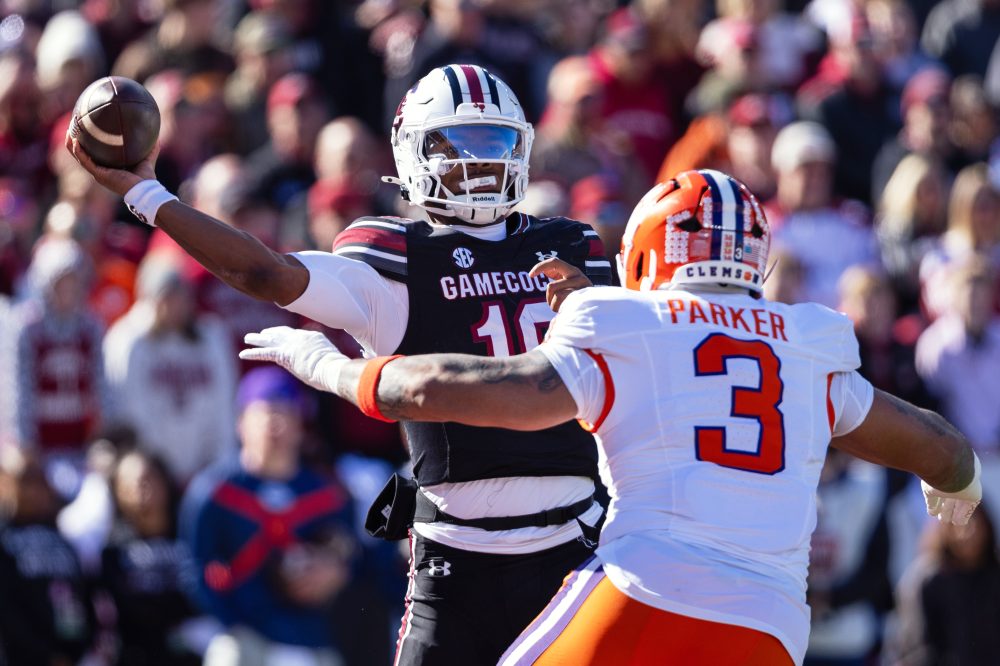
Supporters of the legislation argued that inaction before the General Assembly’s May 2026 conclusion could result in consequences more severe than South Carolina’s disappointing 4-8 season or Clemson’s 7-6 record in 2025.
Advocates warned that transparent payment information would allow competing schools to make superior offers and potentially recruit entire rosters. They also noted that even team-level spending totals could enable rivals to calculate individual payrolls or create internal conflicts over resource allocation.
“We are going to be putting our schools and our athletic programs at a competitive disadvantage. I get it. I don’t have to like it,” commented Democratic state Sen. Russell Ott.
Approximately half of all states have introduced or enacted NIL legislation since early 2025, according to the National Conference of State Legislatures. Many universities have already declined to release contract information, citing student privacy protections.
Before a final vote that would send the measure to the governor, senators scheduled a hearing for next week to gather additional details from athletic directors regarding state funding involvement in athletic programs.
South Carolina’s urgency stems from ongoing litigation. An open government advocate filed suit against the University of South Carolina in September after the institution denied a Freedom of Information Act request for payment information.
Frank Heindel, who initiated the lawsuit, argued that secrecy prevents athletes from making well-informed career decisions and eliminates oversight of the more than $20 million the NCAA permits each school to spend on athletes—unlike professional leagues such as the NFL and NBA that publish salary data.
“Under this bill, the public would not know whether football receives $18 million while women’s sports receive $500,000, or whether one position group is paid dramatically more than another. We are asked to simply trust that public money is being distributed fairly, without any ability to verify it,” Heindel stated in written comments to senators.
A judge has temporarily suspended Heindel’s case pending the legislature’s action this session.
Republican Sen. Tom Young, who guided the bill through the chamber, cautioned colleagues that a veteran lawmaker once advised him that the fastest way to upset constituents is interfering with their entertainment—specifically “fins, fur, feathers and football.”
Due to time constraints, coaches did not personally lobby lawmakers this session. Instead, athletic directors submitted letters describing the agreements as containing “highly sensitive personal and financial information.”
“Subjecting these agreements to public disclosure would raise serious privacy concerns for our student-athletes, potentially exposing them to undue public scrutiny and creating risks well beyond the playing field,” wrote Clemson athletics director Graham Neff.
Heindel indicated he would accept redaction of personal details while maintaining financial transparency.
Patrick Rishe, director of the sports business program at Washington University in St. Louis, explained that confidentiality also prevents athletes from understanding their market worth—such as whether running backs earn more at certain schools or conferences. This opacity encourages rule-bending similar to past decades when players might receive vehicles or cash payments secretly.
“The competition for top talent is so ruthless that universities and boosters want some degree of lawlessness,” Rishe observed.
Rishe predicted state legislatures will continue intervening in college athletics, with courts resolving disputes, until the NCAA persuades Congress to establish uniform national standards.
Meanwhile, lawmakers like Republican South Carolina Sen. Michael Johnson—who displays an Auburn sticker on his truck—acknowledged the responsibility to protect in-state programs.
“As an Auburn graduate, I’m thrilled to get you information and pick through and get your best athletes,” Johnson remarked. “But as someone who understands what’s good for the game, I tend to support this bill.”