
Singapore is working with technology companies to develop the world’s first labeling system for artificial intelligence products, according to a senior government official.
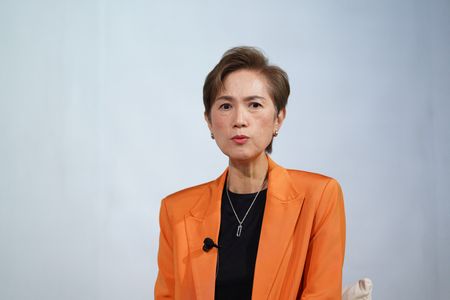
Digital development and information minister Josephine Teo explained that these labels would function similarly to nutrition information on food packaging, showing consumers the proper and improper ways to use AI applications.
“We may start with a voluntary framework, and then in time … we’ll see how effective these kinds of labels are before deciding to take the next step,” Teo said during an interview on Wednesday.
The labeling system would mark intended purposes and restrictions for consumer AI applications, indicating the “right ways” and “not-so-correct ways” of using the technology.
Teo made these comments while attending the Asia Tech x Singapore Summit, where she also revealed that Singapore is creating testing frameworks and certification organizations to assess AI products.
The Southeast Asian nation has positioned itself as a neutral hub for AI development, attracting companies from both the United States and China.
On Wednesday, Singapore revealed it will house OpenAI’s first Applied AI Lab outside America, representing an investment exceeding $234 million.
Meanwhile, Google DeepMind announced a collaboration with Singapore focused on education, healthcare and scientific research, following the opening of its new AI laboratory in the country last November.
Speaking at the summit, Teo outlined Singapore’s goal to help 10,000 companies adopt AI technology and increase its use in manufacturing, healthcare and financial services.
The minister highlighted the country’s semiconductor equipment manufacturing industry, which produces 20% of the world’s supply, as a crucial foundation for building an AI center.
Singapore is also funding research into energy-efficient AI at both the chip and software levels to overcome power limitations, Teo noted.
Her remarks came before scheduled discussions between herself and other ASEAN digital ministers with U.S. Under Secretary of State for Economic Affairs Jacob Helberg.
Chinese representatives are also participating in the summit, which has become one of the few venues where American and Chinese policymakers regularly engage.