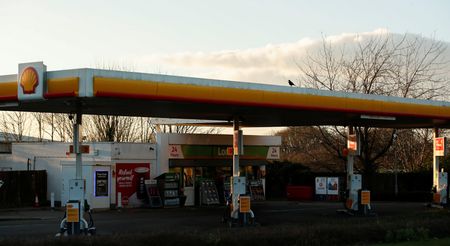

Energy giant Shell disclosed Wednesday that declining natural gas production and short-term cash flow pressures will be partially counterbalanced by improved oil trading performance, providing an early indication of how Middle East conflicts are affecting major energy companies’ financial results.
International oil prices for Brent crude surged to multi-year peaks approaching $120 per barrel following U.S.-Israeli military action against Iran that commenced in late February. Iran subsequently blocked the Strait of Hormuz shipping lane and launched attacks against neighboring Gulf states, including damaging Shell’s Pearl gas facility in Qatar, which may require approximately 12 months to fully repair.
The energy company reported that fluctuating commodity prices created significant changes in inventory valuations, resulting in working capital—calculated as current assets minus current liabilities—falling to negative $10 billion to $15 billion during the quarter.
Shell indicated it anticipates these working capital shifts will normalize over time should oil and natural gas prices stabilize.
Market Analysts Weigh In
Financial analysts from RBC noted the magnitude of these fluctuations highlights the extraordinary nature of current market dynamics, while expressing confidence that Shell’s financial foundation can weather these challenges.
RBC increased its projected net income estimate for Shell’s first quarter by 7 percent to $6.8 billion and forecasts a 31 percent increase in operating cash flow, excluding working capital effects, reaching $17.1 billion.
UBS analysts similarly boosted their first-quarter net income projections by 18 percent to $6.9 billion and raised operating cash flow estimates by 30 percent to $16.3 billion, not including working capital impacts.
Shell anticipates trading performance in its chemicals and products division, encompassing oil trading operations, will substantially exceed the previous quarter’s results. The company also expects improved adjusted earnings from its marketing segment, which includes retail fuel stations.
Natural Gas Production Targets Reduced
Despite trading gains, Shell decreased its first-quarter integrated gas production forecast to 880,000-920,000 barrels of oil equivalent daily, down from the previous guidance of 920,000-980,000 barrels. Fourth quarter 2025 production reached 948,000 barrels of oil equivalent per day.
The company’s liquefied natural gas production outlook remained within established parameters as operational limitations in Australia and equipment failures in Qatar were balanced by increased output from LNG Canada operations.
Shell cautioned that net debt will climb by $3 billion to $4 billion due to variable elements of long-term shipping lease agreements. Net debt totaled $45.7 billion at 2025’s conclusion, with a gearing ratio of 17.7 percent, remaining below Shell’s preferred threshold of 20 percent. UBS projects Shell’s net debt could rise by $11.2 billion.
Adjusted earnings from Shell’s renewables and energy solutions division are expected to increase to $200 million-$700 million, compared to $131 million in the prior quarter.
Complete quarterly financial results will be released on May 7.