
WASHINGTON — Two influential senators are preparing to unveil bipartisan legislation aimed at addressing ongoing turmoil in college athletics by establishing rules for player compensation, restricting student transfers, and implementing what they call a “Lane Kiffin Rule” to prevent coaches from switching jobs during active seasons.
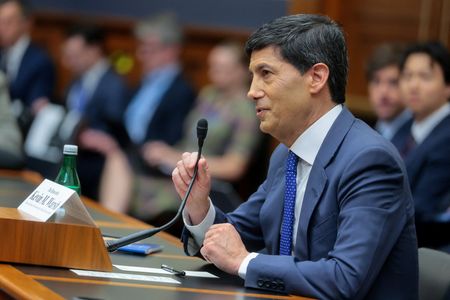
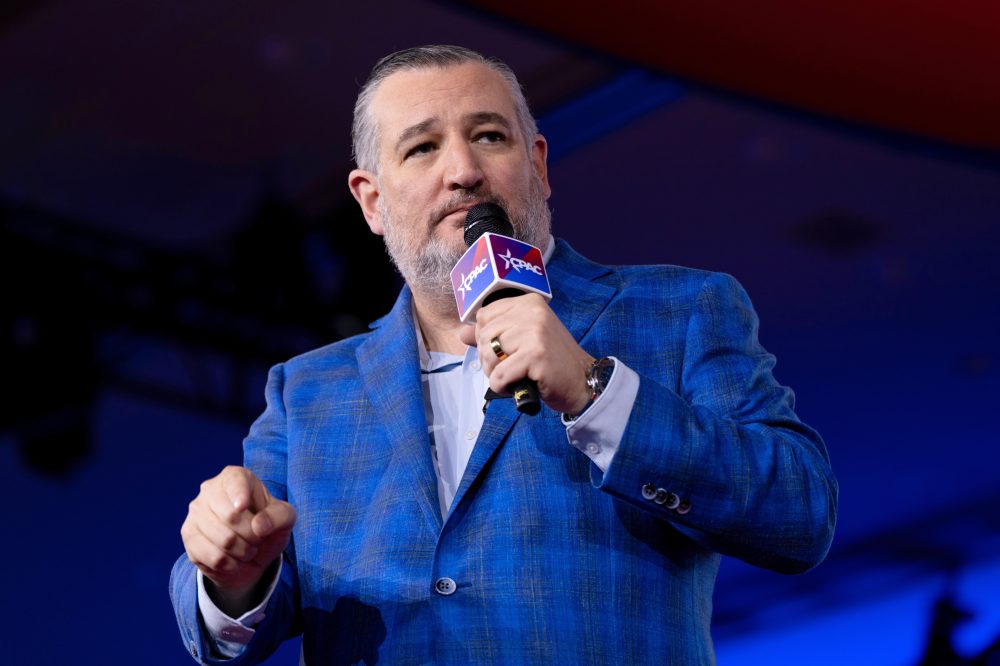
Senators Ted Cruz, R-Texas, and Maria Cantwell, D-Wash., who serve as chair and ranking member of the Senate Commerce Committee overseeing collegiate athletics, shared details of their proposed legislation with The Associated Press. The lawmakers developed the measure hoping it can secure the 60 votes required for Senate passage.
“This is a stability bill, not just an NIL bill,” Cruz explained, referring to name, image and likeness compensation that has resulted in football teams with $30 million payrolls and transformed the collegiate sports landscape.
Cantwell explained their collaboration on the measure, stating she and Cruz worked together “because he and I really do believe the college sports system is in a bit of chaos.”
The proposed legislation combines elements from two previous unsuccessful proposals known as SCORE and SAFE that have stalled in recent months. It incorporates two provisions the NCAA has endorsed: limited antitrust protection and language that would override the current patchwork of state regulations governing NIL.
Collegiate athletics has sought federal intervention while dealing with escalating player compensation costs and an uncontrolled transfer system that has put smaller programs at risk, particularly women’s sports that form the foundation of America’s Olympic development system.
The proposed Protect College Sports Act (PCSA) would provide what Cruz and Cantwell described as highly “targeted” antitrust protections — similar to the Republican-supported SCORE Act that Democrats largely rejected. In return, Cruz said the bill would include “public-facing protections” for student-athletes across 10 categories, including health insurance guarantees, scholarship protections, and stricter oversight of third-party NIL agreements.
“I think it’s better predictability,” Cantwell noted. “Why did we do it? Because when you’ve got thousands of athletes being cut, hundreds of programs being cut, the risk to the whole infrastructure was too high to not try to get better predictability.”
The legislation would restrict student-athletes to one unrestricted transfer during their collegiate careers — a concept that has gained widespread support nationwide — and would implement something similar to the five-year eligibility framework the NCAA appears poised to approve next month.
The measure also addresses coaching mobility. Kiffin’s abrupt departure to LSU from conference rival Mississippi while the Rebels prepared for the College Football Playoff last season highlighted an escalating problem in an environment where programs invest millions in rapidly changing football rosters: Universities show less patience and deploy more resources to hire coaches for immediate solutions.
The proposed legislation would ban mid-season coaching transitions.
“It’s not fair or right to poach a coach in the middle of the season while the team is still competing,” Cruz stated. “There’s a reason the NFL has a rule that you can’t do that. Obviously, NFL teams hire coaches away from each other but they don’t do so in the middle of the season.”
The bill would modify the Sports Broadcasting Act to permit conferences to combine their television rights — a change supporters claim could generate billions in additional revenue, though the Southeastern and Big Ten Conferences dispute this projection.
The senators explained that conferences wouldn’t face mandatory participation in media pooling, but those choosing to participate would need to allocate a portion of any resulting revenue increases toward women’s and Olympic sports programs. This requirement alone could prove unacceptable to the SEC.
“If you do nothing, then obviously, all these other women’s and Olympic sports and less revenue-driven activities are going to suffer,” Cantwell said. “I’ve heard directly from my institutions, they say they’re counting on this. Not creating this stability now would be a missed opportunity.”
The SCORE Act, which received minimal Democratic backing, appeared on last week’s House agenda but was suddenly withdrawn after the Congressional Black Caucus and NAACP announced their opposition.
However, even if it had narrowly passed the closely divided House, it faced virtually no prospect of Senate approval in its current form, requiring 60 votes to overcome a potential filibuster.
“The Congressional Black Caucus and I have the same objective: stop the ‘SEC SCORE Act,’” Cantwell said, noting the SEC among numerous conferences supporting that measure.
Several Democrats hesitated to endorse legislation like SCORE that prevented college athletes from gaining employee status at their institutions. The new proposal adopts what Cantwell characterized as a “neutral” position on employment classification.
“Senator Cruz and I have been very concerned about producing a bill that’s not just about the 1% of athletes who go on and have a professional career,” she explained. “We took care of the entire ecosystem and have opportunities for athletes to continue to have that collegiate experience.”