
A Rwandan professor and government critic passed away while in custody this week, just days before he was scheduled to walk free from prison, prompting international human rights advocates to demand an independent investigation into the death of Aimable Karasira.
Rwandan officials say Karasira died Wednesday after consuming too much of his prescribed medication. However, Human Rights Watch has challenged this explanation and is pushing for global attention to the case, requesting that a team of independent experts examine the circumstances.
“There are many reasons to question the circumstances surrounding Aimable Karasira’s death in custody, not least the years of harassment and persecution he experienced at the hands of the authorities,” Human Rights Watch’s Clémentine de Montjoye stated. “The government bears the burden of proving that Karasira was not unlawfully killed.”
The academic passed away at Nyarugenge District Hospital in Rwanda’s capital city of Kigali. Hillary Sengabo, who speaks for the country’s prison administration, informed The New Times of Rwanda that Karasira “took chunks of medicine which he had been prescribed for a preexisting condition.”
The controversy began in 2020 when Karasira published a YouTube video discussing family members he lost during Rwanda’s 1994 genocide and its aftermath — including deaths that occurred after the rebel forces who ended the genocide assumed control of the nation’s leadership. Following the video’s release, Human Rights Watch documented that Karasira faced intimidation from intelligence personnel and received threats from unknown individuals.
Authorities took Karasira into custody in 2021 on multiple charges related to denying the genocide and promoting divisiveness. A court found him guilty on some counts while clearing him of others.
“The prosecution appealed his acquittal on several charges, including genocide denial and justification, and demanded a 30-year sentence, which was pending at the time of his death,” Human Rights Watch explained. “But as Karasira had already served four years of his five-year term awaiting trial, his sentence was nearing its end, and he was to be released on May 6.”
British historian Michela Wrong, who authored a book examining alleged wrongdoing by Rwanda’s leadership, described Karasira’s death as revealing about the country’s current state.
“He told visitors he was being beaten and tortured,” Wrong wrote on social media platform X. “Prison eventually proved a fatal experience, as for so many in Rwanda. Now he’s supposedly died of an overdose of his prescription medicine.”
Human Rights Watch drew parallels between Karasira’s death and the 2020 custody death of musician and government opponent Kizito Mihigo. The organization noted both individuals possessed “moral authority” that connected with citizens and troubled government officials.
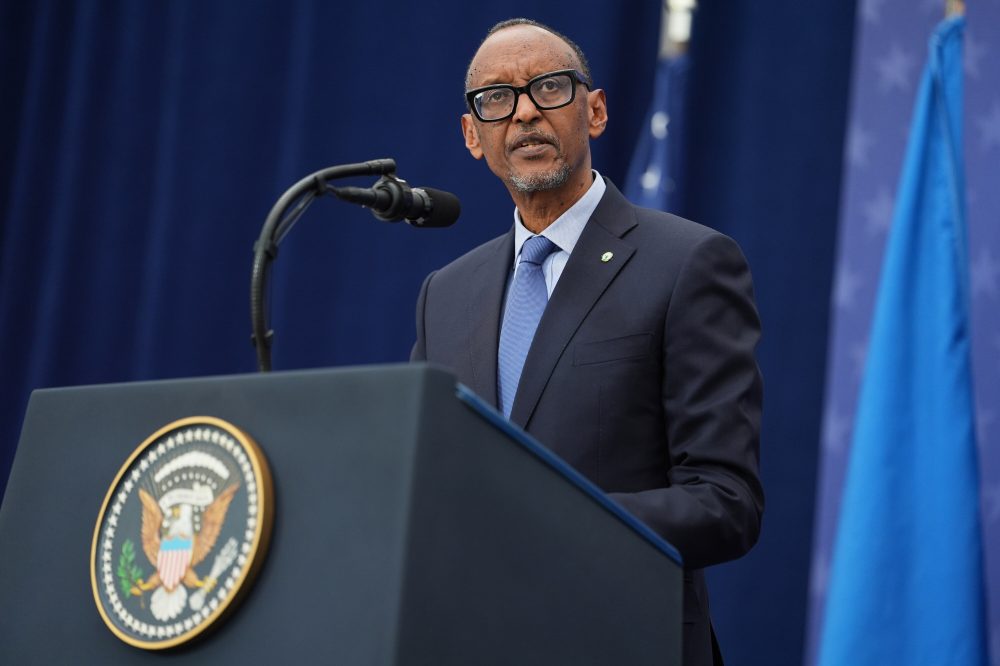
President Paul Kagame’s administration, which has governed Rwanda since 1994, has worked to heal ethnic rifts through legislation and other initiatives. Many praise Kagame for maintaining relative calm and order in the nation.
The administration established strict criminal laws targeting genocide-related crimes and the thinking that led to them, while Kagame has cultivated compliance among the country’s approximately 14 million residents. National identification documents no longer list ethnic background, and genocide education is now standard in school curricula.
Hundreds of community initiatives, supported by government agencies or civil organizations, work toward Rwandan unity, and each April the country participates in solemn remembrance ceremonies marking the genocide’s anniversary.
However, Kagame’s opponents argue he silences all disagreement. Many view him as leading an authoritarian system that has eliminated nearly all political opposition in Rwanda, as critics face imprisonment, exile, disappearance, or death under questionable circumstances.