
Economic concerns dominated American households’ attention this past week as families witnessed noticeably higher costs at grocery stores and gas pumps compared to the previous year.
The following economic developments and data releases offer insight into current financial trends affecting consumers nationwide.
March witnessed a significant spike in a critical inflation indicator closely watched by the Federal Reserve, driven primarily by escalating fuel costs linked to the ongoing Iran conflict. This surge signals potential delays in anticipated interest rate reductions.
The Fed’s preferred inflation measurement climbed 0.7% between February and March, representing a sharp acceleration from the prior month, according to Commerce Department data released Thursday. Year-over-year price increases reached 3.5%, marking the steepest rise in nearly three years.
When removing volatile food and energy sectors, core inflation advanced 0.3% monthly in March, with annual growth reaching 3.2% – exceeding February’s 3% rate.
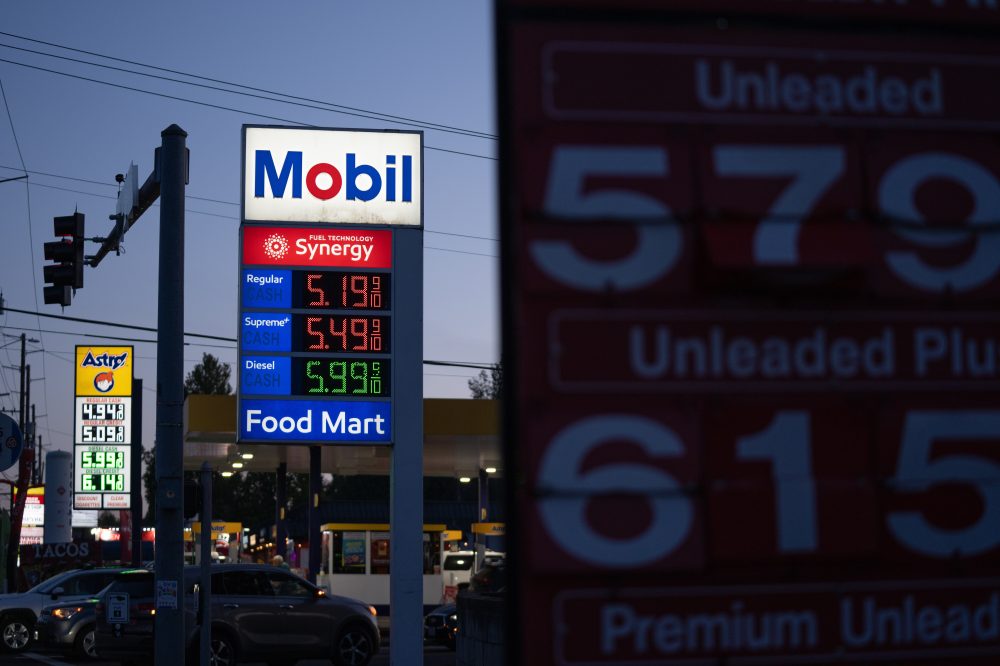
Fuel costs experienced dramatic increases, establishing new multi-year peaks across four straight days beginning Tuesday. Regular gasoline prices recorded their largest single-day jump since the conflict commenced Friday, reaching $4.39 per gallon, with continued increases through Saturday.
Economic growth gained momentum during early 2026, with the nation expanding at a moderate 2% rate throughout the first quarter following recovery from autumn’s 43-day federal government closure. However, the Iranian conflict creates uncertainty for future projections.
Thursday’s Commerce Department report showed gross domestic product – measuring national goods and services output – bounced back from the final quarter of 2025’s weak 0.5% growth. Federal spending and investment surged at a 9.3% annual pace during the first quarter, contributing over half a percentage point to overall growth after reducing fourth-quarter 2025 expansion by 1.16 percentage points.
American consumer sentiment experienced slight improvement in April despite mounting concerns over soaring energy costs resulting from the Iranian war.
Tuesday’s Conference Board report indicated their consumer confidence measurement edged upward to 92.8 in April from March’s 92.2 reading.
While the indicator has shown two consecutive monthly gains, current levels remain near pandemic-era lows experienced during COVID-19.
Survey participant feedback regarding prices, petroleum, gasoline, and warfare intensified during April as national average fuel costs jumped 30 cents within one week to reach $4.43 per gallon.
Home lending rates increased this week, elevating borrowing expenses for potential buyers during peak spring purchasing season.
The standard 30-year fixed mortgage rate climbed to 6.3% from the previous week’s 6.23%, mortgage purchaser Freddie Mac announced Thursday. This remains below last year’s 6.76% average.
The uptick concluded a three-week decline, returning average rates to levels seen two weeks prior.
Weekly unemployment benefit filings plummeted to their lowest point in more than five decades despite various economic challenges including the Iranian conflict.
Jobless assistance applications for the week concluding April 25 decreased by 26,000 to 189,000, down from the preceding week’s 215,000 total, Thursday’s Labor Department data revealed. This significantly undershot the 214,000 new filings predicted by FactSet-surveyed analysts.
Unemployment benefit requests serve as an indicator for American job losses and provide near real-time employment market health assessments.
High Frequency Economics noted this week’s new jobless aid applications represented the smallest figure since September 1969.
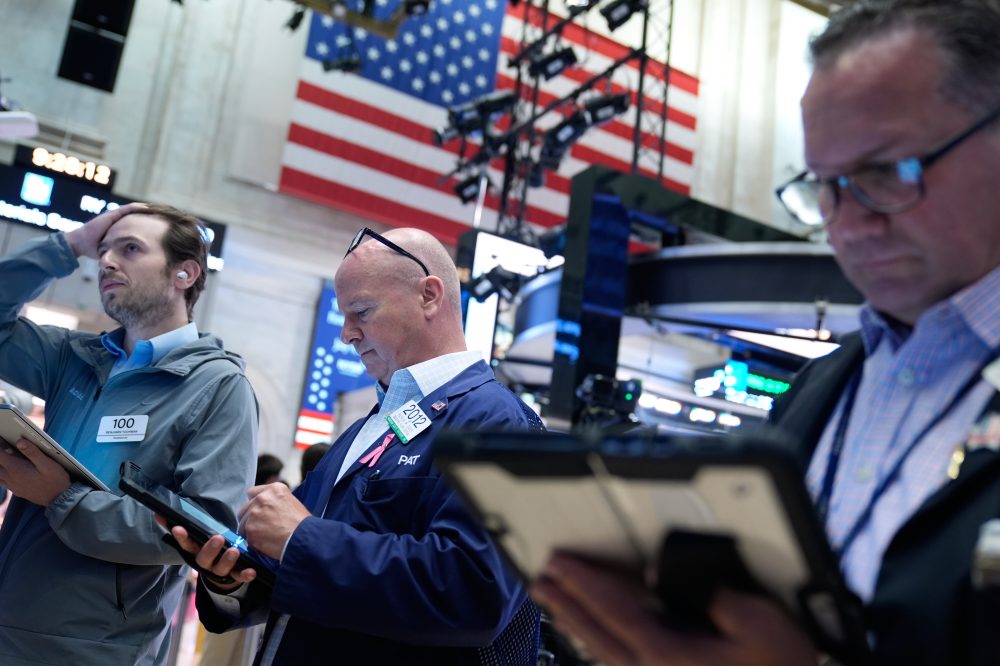
Wall Street established additional records to conclude the week following strong Apple performance and other major technology company earnings that drove market gains. Petroleum prices maintained upward momentum despite Friday’s moderation. Numerous global stock exchanges remained closed Friday observing May Day.
The S&P 500, Dow Jones Industrial Average, and Nasdaq composite all finished the week with gains.