
Conservation researchers have announced the discovery of more than 70 previously unknown species during a February expedition to Angola’s Lisima plateau, according to a Wednesday announcement from the conservation organization.
The Wilderness Project explored the plateau’s waterways, which supply four major African rivers: the Congo, Okavango, Zambezi and Cuanza. Their findings included eight dragonfly species, three grasshopper varieties, and approximately 60 butterfly and moth species displaying brilliant colors.
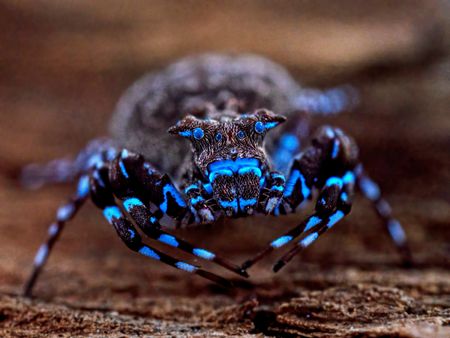
Among the most remarkable discoveries was a crowned crab spider that emits fluorescence when exposed to ultraviolet light. Researchers also identified an armoured, predatory cricket, a copper caterpillar species along with its butterfly form, and a blood orange-colored ladybird orb-web spider that imitates ladybirds by displaying bright warning colors to deter predators.
Expedition leader Rob Taylor described the armoured crickets as particularly fascinating. “The armoured crickets are very cool … very fierce-looking,” Taylor explained to Reuters. “As a defense mechanism, they can actually squirt fluid onto whoever’s trying to attack them.”
This discovery comes as researchers worldwide race to catalog species amid a mounting environmental crisis that threatens one million plant and animal species with extinction. Scientific estimates suggest 8.7 million species exist globally, yet only 1.5 million have been formally identified by science.
Human activities are rapidly eliminating many species, with over 800 animal species becoming extinct since approximately 1500, according to the research.
Taylor identified multiple threats to wildlife in the Lisima plateau region, citing “tree-felling, deforestation and … the artisanal diamond mining industry.” He also pointed to slash-and-burn farming practices that destroy natural forests for temporary agricultural use, ultimately depleting soil nutrients through erosion.