
Property owners across the nation are pursuing compensation for massive financial losses they say resulted from the federal government’s pandemic-era ban on evictions.
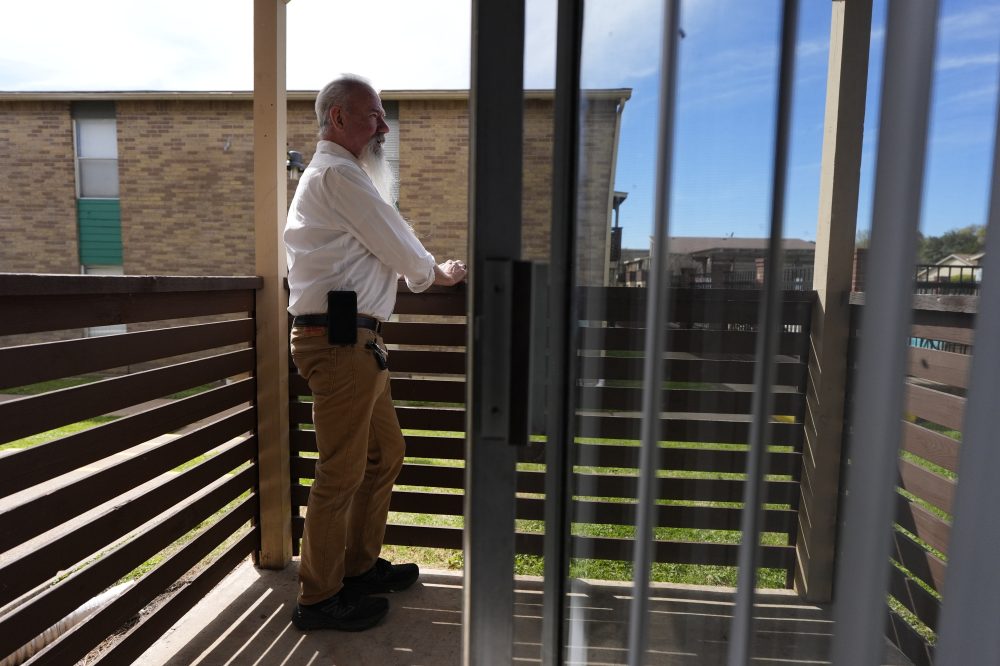
Matthew Haines, a 57-year-old Texas property manager, discovered early in the pandemic that federal rules prohibited him from removing tenants who stopped paying rent. The CDC’s eviction prohibition, which remained in effect for nearly 12 months, resulted in losses exceeding $1 million for Haines and his investment partners.
Haines has joined over 1,500 other property owners in a federal court case challenging the moratorium as a violation of Fifth Amendment protections against government seizure without compensation. The financial damages among plaintiffs vary widely, from thousands of dollars to more than $14.5 million for a single property owner.
Following an initial defeat in the Court of Federal Claims in 2022, the property owners prevailed on appeal and are currently negotiating a settlement with the Justice Department. The landlords seek to recover up to $1.5 billion, though this represents only a small portion of the industry’s total pandemic losses.
“It’s important for us to stand up when a group like the CDC unilaterally, functionally, decides that they have a right to oversee our business,” said Haines, who owns three rental communities with 240 units in Arlington and Irving, Texas.
“What I hope that we will accomplish and, to some extent, we already have, is vindication for ourselves,” he said. “But what’s more important to me is that hopefully my investors will recover some of that money that they should have had coming in over the last six years.”
The nationwide eviction prohibition remained active from September 2020 through July 2021 and became one of the pandemic’s most controversial government responses. The Supreme Court ultimately terminated the ban, ruling that the CDC exceeded its authority without explicit congressional approval.
The Justice Department declined to discuss the ongoing legal proceedings when contacted by the Associated Press.
Beyond the federal restrictions, 43 states and numerous municipalities implemented their own eviction bans, many extending beyond the federal timeline due to broader local regulatory authority compared to federal agencies.
Property owners describe devastating impacts on their operations. Without rental income, many accumulated debt, reduced staff, postponed maintenance work, and in some instances sold properties entirely. They argue these effects persist today through extended eviction procedures, stricter tenant screening processes, and increasing numbers of landlords exiting the rental market.
Housing advocates present a different perspective, arguing the eviction bans provided essential protection. They maintain these policies housed millions of tenants throughout the pandemic while helping contain coronavirus transmission. Advocates also point to tens of billions in federal rental assistance as compensation for property owners.
Haines recognized the crisis immediately when the pandemic began, as numerous tenants lost employment. He initially avoided requiring new lease agreements and showed flexibility with payment-struggling renters.
However, the moratorium represented the most serious challenge in his three-decade real estate career.
“It was terrifying,” Haines said. “We knew almost immediately that we were going to a massive deficit in cash flow that we probably weren’t going to be able to cover.”
Research by the National Rental Home Council conducted shortly after the federal ban ended revealed that half of small-scale landlords experienced missed rent payments, with one-third selling or planning to sell properties. The lawsuit claims the moratorium and resulting eviction case backlog cost property owners $57 billion, affecting more than 10 million delinquent renters during just the first four months.
“Public health measures like this, they may be well intentioned,” said Creighton Magid, a lawyer for the plaintiffs. “But when the government imposes this type of moratorium, the financial burden should be borne by the government, not individual property owners.”
Las Vegas property owner Liz Leone, who manages 52 apartments and joined the lawsuit, said the moratorium nearly destroyed her business. She lost over $250,000 and borrowed $60,000 through the federal Small Business Administration “just to keep my nose above water.” She continues paying off that debt.
“I was definitely questioning whether I would survive,” said Leone, who has operated in the industry for 35 years. “You delay all the expenses you can, but we still had to pay our property taxes. We still have to pay our utilities. … So that’s what you did: I borrowed.”
Housing advocates maintain the policy successfully kept families housed, noting substantial increases in evictions once the moratorium concluded.
Eviction bans “were a powerful intervention to keep people in their homes,” said Kathryn Leifheit, assistant professor at the UCLA Fielding School of Public Health and lead author of a study published in April in the medical journal JAMA Network Open that found homelessness rose 11% in a typical state in 2022, and would have increased 20% without state eviction moratoriums.
Miami resident Dulcee Barnes experienced this protection firsthand. The 28-year-old and her two roommates lost restaurant jobs during the pandemic. Falling two months behind on rent, they faced certain eviction without the moratorium’s protection.
“It gave us breathing room. It took away the fear of having to possibly pack up within 24 hours and live in somebody’s car or couch surfing,” she said.
Eric Dunn, litigation director at the National Housing Law Project, a tenant advocacy organization, disputes claims of significant landlord losses, arguing property owners maintained rent collection abilities and could sell properties during the moratorium.
Property owners also received $46.5 billion in federal emergency rental assistance, which Princeton University’s Eviction Lab determined in April was primarily directed toward areas where landlords historically filed the most evictions before the pandemic.
Landlords argue rental assistance programs failed to fully compensate their losses, describing initiatives plagued by bureaucratic obstacles and poor administration. States delayed spending allocated funds, struggled establishing programs, and in Arkansas and Nebraska’s cases, declined all federal assistance.
Property owners also claim some tenants exploited the moratorium to avoid rent payments. “They were doing things like buying cars,” Leone said. “They didn’t have to pay rent, and here I was driving a car that was 18 years old.”
Despite the moratorium ending five years ago, landlords report ongoing consequences from the policy. They describe more cautious approaches and increased reluctance to rent to applicants with problematic rental histories.
Rick Jones, vice chairman of Management Services Corporation, which operates 4,000 apartment units in Virginia and participates in the lawsuit, attributes this partly to rising fraud. Applicants falsify employment documentation and payroll records, he said, adding: “There are companies that just advertise really creating a whole new identity for you.”
“Most property owners and managers realize that it’s more important to keep that unit vacant than to put a bad resident in. That’s probably what the eviction moratorium reinforced,” said Jones, whose company lost more than $230,000 in unpaid rent during the pandemic.
“When you have somebody that’s bad and you can’t get them out, you’re helpless.”
Haines said he has strengthened tenant screening procedures and now rejects some low-income applicants he might have previously accepted. This stems partly from eviction processes now requiring months longer than pre-pandemic timelines, he explained.
“It’s done more harm,” he said, to low-income people “that we might have considered leasing an apartment to that now we simply can’t take the risk.”