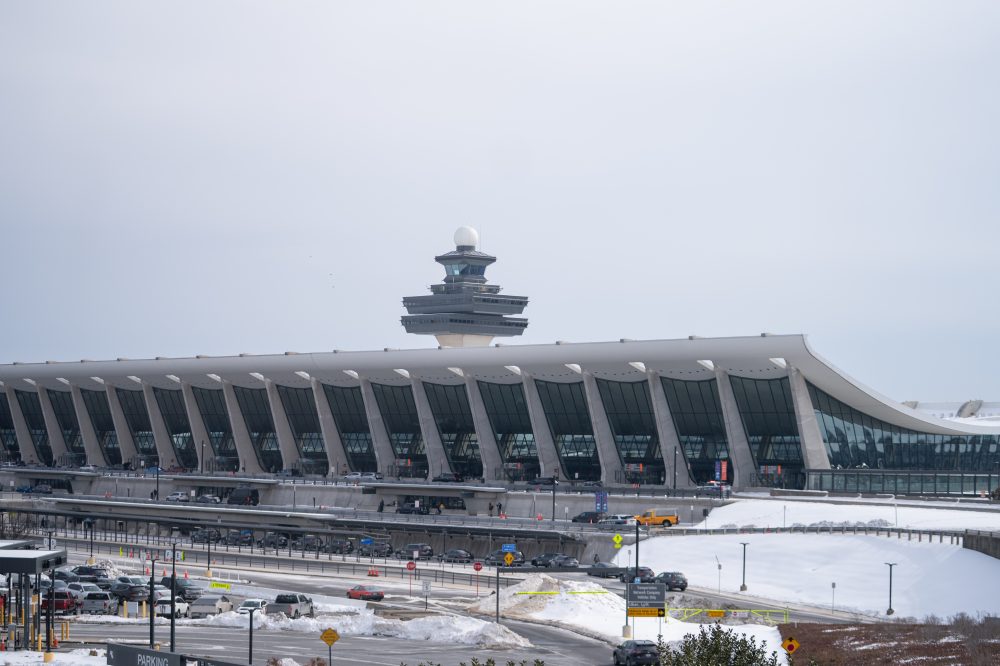

A woman from Ghana who is expecting a baby has been confined with her young son for over a week in a room without windows at Washington Dulles International Airport, despite entering the country legally, according to her legal representatives.
Annabella Gyasi, 38, and her four-year-old child arrived at the airport last Tuesday with plans to travel to Ohio for medical treatment. The boy, who was born with hand deformities, had a scheduled May 30 appointment at Akron Children’s Hospital to determine if he was ready for surgical intervention, the American Civil Liberties Union of Virginia stated in emergency court filings.
The family had previously visited the United States in 2024 seeking medical treatment but returned home when doctors determined the child was not yet old enough for the procedure.
However, U.S. Customs and Border Protection detained both mother and child after Gyasi, who is more than four months into her pregnancy, expressed fears about returning to Ghana due to persecution they had experienced there, her attorneys stated.
“Ms. Gyasi legally traveled to the U.S. to get necessary medical care for her son, but the illegal detention and inhumane treatment that she’s experiencing at Dulles is endangering her son’s health as well as her own,” said Sophia Gregg, senior immigrants’ rights attorney at the ACLU of Virginia.
Federal immigration authorities disputed claims of mistreatment.
“These allegations are false,” the Department of Homeland Security responded. “Everyone in CBP custody, including this individual, has access to appropriate care, including medical evaluation by a doctor, medication, and food.”
During her time in custody, Gyasi has required emergency hospital care on two occasions due to pregnancy-related complications, including bleeding and dizziness, but was brought back to the detention facility each time, her legal team reported. Medical staff during one hospital visit “expressed concern that she was not eating enough in detention and was over-stressed,” according to the civil liberties organization.
The mother repeatedly requested additional food for herself and her child from detention officers but was refused, her lawyers stated.
Concerned about her unborn child’s welfare, Gyasi told officials she would prefer deportation rather than continue without adequate nutrition. Food was provided only after she signed deportation paperwork, her attorneys said.
Her legal team subsequently informed Customs and Border Protection personnel that she had agreed to deportation only due to desperate circumstances.
Court documents from U.S. District Judge Leonie Brinkema revealed that immigration authorities claimed Gyasi could not legally enter using tourist visas and was being prepared for expedited removal because she had “admitted under oath that she came to the United States in order to seek asylum and her intent was not to leave the United States to return to Ghana.”
Judge Brinkema has scheduled oral arguments for Friday.