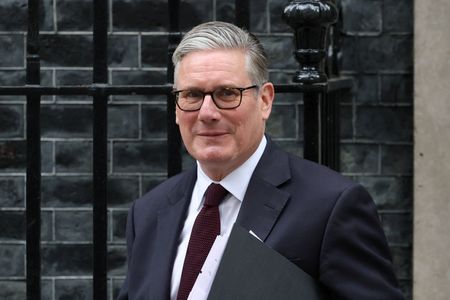

LONDON — Departing British Prime Minister Keir Starmer is making clear that whoever takes his place will need to invest just as much energy in global diplomacy as he did — dismissing the notion that Britain’s next leader could shift focus primarily to issues at home.
Starmer, who announced last month that he will leave office after two years as prime minister, told the BBC on Friday that foreign and domestic policy are too intertwined to treat separately, especially as the world grows more unstable.
“There’s often this discussion — what’s the right balance between dealing with international affairs and dealing with domestic affairs? They’re one and the same thing,” he said.
When asked directly whether a future prime minister could scale back time spent on diplomacy, Starmer was blunt: “No, I don’t think it is possible.”
The outgoing prime minister has drawn criticism from some corners over how heavily his tenure leaned into foreign policy matters. Lawmaker Andy Burnham, who is widely expected to be his successor, has signaled a different set of priorities — promising to concentrate on living standards, housing, infrastructure, and shifting more governing authority to Britain’s regions.
On Saturday, Starmer posted a video on X titled “With Keir,” in which he defended his administration’s international emphasis, arguing that Britain had reclaimed its standing on the world stage. He highlighted his government’s backing of Ukraine and its involvement in international coalitions as standout accomplishments.
“The fact that now other countries look to us for that leadership is something I’m really proud of having delivered in the two years we’ve had in government,” he said.
Beyond foreign policy, Starmer also pointed to stabilizing the economy, cutting child poverty, and making improvements to the National Health Service as achievements he is proud of from his time in office.