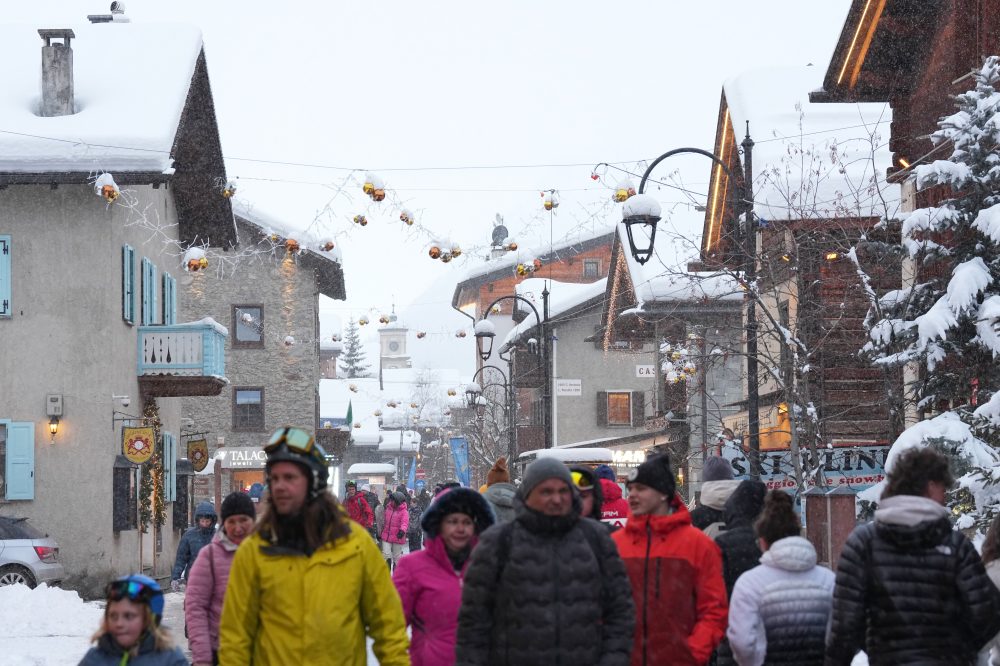

LIVIGNO, Italy — A solitary customs station marks the entrance to this Italian mountain village, standing as the only visible reminder of the unique tax-free zone that has defined Livigno for hundreds of years. But during these Winter Olympics, that special status isn’t delivering the economic windfall local merchants expected.
The duty-free privileges that typically transform this alpine community into a shopping destination are actually working against retailers during the Games. While accommodations and dining establishments are experiencing record business, store owners report significant losses as Olympic attendees focus on athletic events rather than bargain hunting.
The situation highlights a common concern among Olympic host communities about the actual financial benefits of staging the Games. Local business owners shared with reporters that the usual influx of deal-seeking tourists has been replaced by athletes, spectators, workers and volunteers who show little interest in shopping during what’s normally their busiest sales period.
Toy store proprietor Olga Salari, whose shop displays an extensive collection of Lego products, expressed frustration with the current situation. “I’m not positive about the Olympics, because usually you are working more than double in this period, because this period for us was a high season. Now, this period is like our low season,” Salari explained. She noted that Olympic attendees “don’t even visit the shops.”
The financial impact has been severe, with Salari reporting a 70% decline in revenue compared to typical February sales. The Olympic competition period spans from February 6th through the 22nd.
Access restrictions to all six mountain competition sites require visitors to possess accreditation, reserved lodging, event passes, or ski lift tickets, effectively eliminating casual day visitors who might otherwise come solely for shopping opportunities.
This remote village, known locally as “Little Tibet” due to its historical isolation among snow-covered peaks near the Swiss frontier, has maintained tax exemptions since medieval times. These privileges originally helped the impoverished, isolated community import necessary goods.
The construction of a paved southern route and later a northern tunnel to Switzerland during the 1900s transformed the duty-free designation into a powerful economic driver by attracting tourist traffic.
Current regulations allow purchases up to 300 euros ($356) without Italy’s 22% value-added tax, though specific restrictions apply to perfumes, tobacco products, alcohol, and fuel.
This tax advantage typically draws skiing enthusiasts who combine their mountain activities with shopping for timepieces, beauty products, fragrances, electronic devices, or cigarettes before returning to Austria, Germany, Switzerland, and other destinations. However, Olympic circumstances have disrupted this pattern.
Electronics retailer Manuel Galli, whose family operates a local technology store, observed the shift in visitor behavior. “The tourists are more interested to see the competition. They’re not so focused on shopping,” Galli noted.
Financial projections from Italy’s Banca Ifis estimate the overall Games will generate 5.3 billion euros ($6.2 billion) in economic activity. Tourist spending at host locations is expected to reach 1.2 billion euros ($1.4 billion) over the next year and a half, though the bank didn’t specify amounts by individual venues. Milan Cortina organizing committee leader Giovanni Malagò referenced similar figures exceeding 5 billion euros during a radio interview.
Olympic organizers point to infrastructure improvements as lasting benefits, including upgraded electrical systems in Livigno and other mountain venues. Enhanced medical facilities and transportation connections represent additional long-term investments.
Other Olympic mountain locations appear to be experiencing more positive retail results.
Cortina d’Ampezzo’s Deputy Mayor Roberta Alverà confirmed through text message that her community has witnessed “a significant influx of people.”
These visitors are patronizing more than just hotels and restaurants, with both tourists and Italian second-home owners frequenting shops along Cortina’s pedestrian Corso Italia thoroughfare in the town center.
Bormio’s historic district has seen steady foot traffic on its stone walkways throughout the men’s alpine skiing events, with local retailers reporting increased customer activity.
Organizing committee member Sergio Schena, representing the Livigno area, acknowledged that business impacts vary but maintained optimism about future benefits. He suggested the international exposure could attract visitors from more distant markets, similar to Turin’s experience following its 2006 Olympic hosting.
“What we expect to happen is that the markets change, and we get more tourists from the United States and Asia,” Schena predicted.
Some merchants remain skeptical about this shift. Salari explained that her business model depends on customers who drive to Livigno and utilize vehicle storage space for larger purchases. She worries that air travelers will limit themselves to items that fit in carry-on luggage.
Nevertheless, most Livigno residents, including fellow retailers, share Schena’s optimism, believing the televised coverage of snowboarding and freestyle skiing competitions has showcased their community globally and will eventually attract increased tourism.
Perfume shop owner Derio Claoti, despite experiencing a 70% sales decrease, emphasized the promotional value. “This is very important because (the Games) are providing 360-degree publicity around the world and Livigno is coming across very well,” Claoti said.
At the nearby Golden Clock luxury watch and jewelry boutique, owner Damiano Longa expressed confidence that current losses will prove worthwhile.
“We hope that the advertising that it’s making for Livigno will work for the future,” Longa stated.