
Energy buyers seeking oil shipments in Asia or jet fuel in Europe are facing unprecedented costs as physical commodity prices surge beyond even the steep increases seen in futures markets.
The dramatic price spikes stem from a massive supply shortage triggered by the ongoing U.S.-Israeli military conflict with Iran, forcing refiners and energy traders throughout Asia and Europe to compete fiercely for available petroleum products.
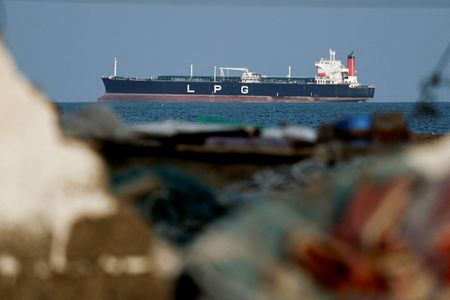
This supply crisis shows no signs of quick resolution following extensive strikes on energy infrastructure throughout the Middle East region, creating what experts describe as the most severe global energy supply disruption on record. Iranian forces have also restricted vessel movement through the Strait of Hormuz, a vital shipping channel that handles one-fifth of worldwide oil and gas transport, threatening to attack ships attempting passage through the strategic waterway.
“It is going to take longer than people realize to bring supply back to the market even once the strait is re-opened, because we would still have a logistics nightmare,” said Dennis Kissler, senior vice president of trading at BOK Financial.
Energy supply disruptions and price volatility can severely impact transportation, manufacturing, and shipping sectors, with consequences for consumers, businesses, and entire economies lasting months or years.
According to oil shipments tracker Petro-Logistics, daily crude and condensate volumes have plummeted by approximately 12 million barrels, representing roughly 12% of global daily consumption, due to production cuts and export suspensions by Gulf region producers. These lost barrels cannot be readily substituted from other sources.
While futures contracts have climbed steadily since U.S. and Israeli forces began striking Iran on February 28, actual cargo prices have experienced far more extreme movements.
Benchmark Brent crude reached a session peak of $119 Thursday before closing near $109 per barrel. Meanwhile, the key Middle East Dubai crude benchmark soared to an all-time high of $166.80 per barrel. Goldman Sachs predicted Thursday that continued supply disruptions could push Brent beyond its record $147.50 level from 2008.
European and African crude shipments have climbed to $120 per barrel, while even heavily sanctioned Russian oil, previously trading at steep discounts, has rebounded above $100.
Mediterranean markets remained stable until this week, but those prices have also increased as prospects for quickly reopening Hormuz have dimmed, according to one crude trader.
“What we’re seeing in spot differentials suggests a much tighter system beneath the headline price,” said David Jorbenaze, global oil market lead at commodities information provider ICIS.
Energy companies have expanded their search for alternatives to Middle Eastern supplies, which typically consist of medium-density, high-sulfur crude known as “sour” in industry terminology.
Russia’s Urals crude, a medium sour variety, has traded at significant discounts to Brent since that nation’s Ukraine invasion due to international sanctions. However, those prices have skyrocketed, with Urals delivered to India trading above Brent earlier this month for the first time in history.
In North Sea markets, Norwegian medium sour crude Johan Sverdrup commanded a record $11.30 premium over Brent Thursday, implying a cash price around $124 per barrel. Sour crude normally trades below Brent due to higher refining costs required.
American crude varieties have also gained ground, though the U.S. market’s geographic separation has created a substantial gap between Brent and benchmark West Texas Intermediate, which closed near $96 Thursday.
The benchmark Mars sour crude from the U.S. Gulf of Mexico, similar in quality to Middle Eastern production, has risen more dramatically. Mars Sour hit $107.53 on March 9, its highest level since July 2008, and traded Thursday at roughly $6 above U.S. crude.
Transportation fuel costs have increased even more sharply than physical crude prices. Northwest European jet fuel reached record levels around $220 per barrel according to LSEG data, while European diesel topped $200 per barrel for the first time since 2022. Europe depends heavily on Middle Eastern sources for both products.
Asian fuel prices have risen as refineries reduced processing rates, with refinery profit margins for gasoil reaching their highest point since June 2022 at over $60 per barrel.
On March 11, the United States and other International Energy Agency members announced plans to release 400 million barrels from strategic reserves, with the U.S. subsequently waiving sanctions on Russian oil shipments. However, these measures may prove insufficient, Jorbenaze warned.
“The market ultimately runs on barrels moving, not barrels being announced,” he said.