
GENEVA – Critical nuclear negotiations between the United States and Iran resumed Tuesday in Switzerland, as both countries navigate a delicate diplomatic process overshadowed by potential military conflict.
American representatives Steve Witkoff and Jared Kushner are participating in the discussions alongside Iranian Foreign Minister Abbas Araqchi, with Oman serving as mediator, according to sources familiar with the negotiations.
The diplomatic efforts unfold against a backdrop of military preparations on both sides. US defense officials report that American forces are positioning for potential weeks-long operations should President Trump authorize military action against Iran.
Meanwhile, Iran launched military exercises Monday in the strategically important Strait of Hormuz, a crucial shipping lane for oil exports from Gulf nations that have been urging diplomatic solutions to the standoff.
These latest negotiations mark a continuation of talks that restarted February 6, addressing a nuclear disagreement spanning decades between the two nations.
The United States and Israel maintain that Iran seeks to develop nuclear weapons capability that could pose an existential threat to Israel. Iranian officials counter that their nuclear program serves only civilian purposes, despite enriching uranium to levels far exceeding power generation needs and approaching weapons-grade concentration.
Iran remains mindful of previous diplomatic attempts that were interrupted last June when Israel initiated bombing operations against Iranian targets, later joined by American forces striking nuclear facilities. Following those attacks, Tehran announced it had suspended uranium enrichment activities.
Iran’s government has faced internal challenges since then, dealing with massive civil unrest that resulted in thousands of casualties. The protests stemmed from economic hardships partly caused by international sanctions that have severely impacted Iran’s oil revenues.
The current situation differs from previous negotiations, with Trump deploying what he describes as a substantial naval presence to the region.
American negotiators hope to broaden discussions beyond nuclear issues to include Iran’s missile capabilities. However, Iranian officials state they will only consider limitations on nuclear activities in exchange for sanctions relief, refusing to completely abandon uranium enrichment or discuss their missile program.
During a Monday press conference in Budapest, Secretary of State Marco Rubio acknowledged the difficulty of reaching an agreement with Iran while expressing America’s willingness to pursue negotiations.
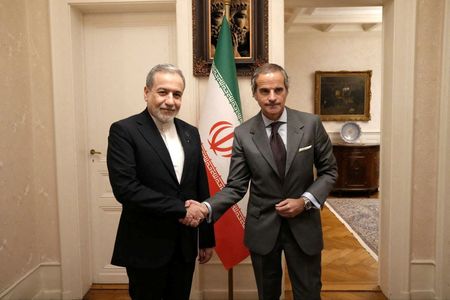
Prior to the main talks, Araqchi met with Rafael Grossi, director of the International Atomic Energy Agency, to address technical cooperation matters and aspects of the upcoming American discussions.
Tuesday afternoon will see Witkoff and Kushner engage in separate three-way discussions involving Russia and Ukraine, as the administration attempts to broker an end to Moscow’s four-year military campaign in Ukraine.