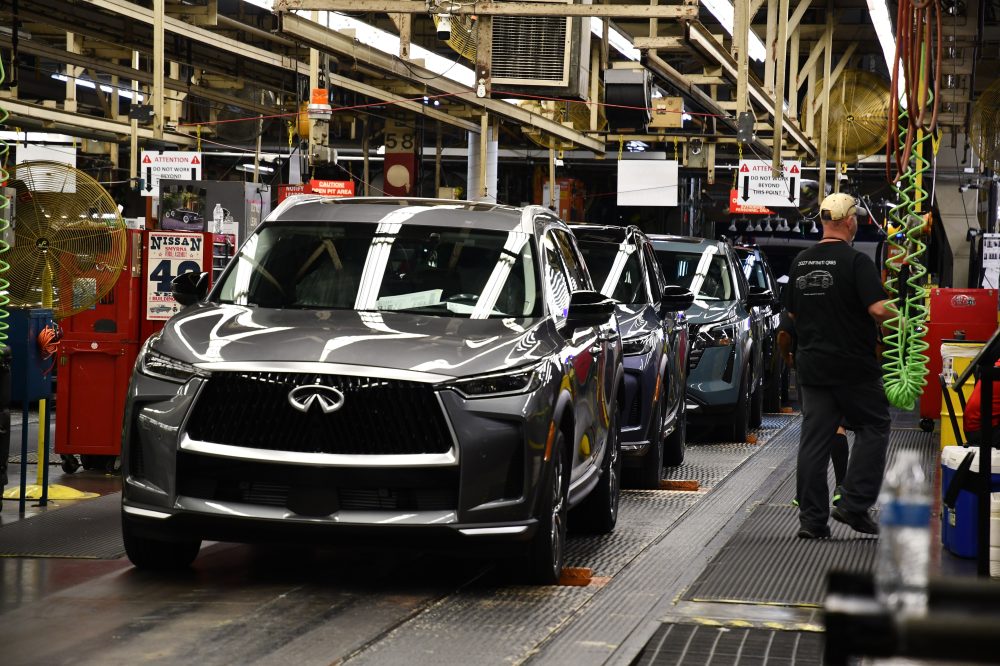

The Yokohama-based automaker Nissan Motor Corp. announced Wednesday that it narrowed its financial losses during the fiscal year ending in March, though the company continues to face headwinds from tariffs, rising costs, and fierce market competition.
The car manufacturer posted a 533 billion yen ($3.4 billion) deficit, an improvement from the previous year’s 670.9 billion yen loss.
Revenue dropped 5% to 12 trillion yen ($76 billion) for the annual period.
CEO Ivan Espinosa expressed optimism about the company’s trajectory, noting steady improvement and visible indicators of recovery.
“We have moved beyond recovery and are entering a phase of growth,” Espinosa stated. “We will build on this momentum through disciplined cost management and faster product execution, driving sales and profitability.”
Looking at the most recent quarter, Nissan recorded a 282.9 billion yen ($1.8 billion) deficit for the January through March period, a significant improvement from the 676 billion yen loss during the same timeframe last year.
Revenue for the quarter decreased nearly 2% to 3.43 trillion yen ($22 billion).
The automaker emphasized its focus on reducing expenses and implementing strategies to boost profitability. Company officials noted they achieved operating profits that exceeded projections and anticipate improved performance in the coming year with new vehicle releases.
During the fiscal year that concluded March 31, Nissan delivered 3.15 million vehicles worldwide across its lineup, which includes the Altima sedan, Pathfinder SUV, Leaf electric vehicle, and luxury Infiniti models.
However, beneath the optimistic messaging from leadership, the company faces its most challenging financial period in years. Nissan has eliminated thousands of positions and divested its headquarters property as part of restructuring efforts.
The automaker projects a return to positive earnings for the fiscal year ending March 2027, forecasting a modest 20 billion yen ($127 million) profit.
All Japanese car manufacturers are grappling with aggressive competition from emerging Chinese automakers that now control significant portions of Asian markets.
Previous discussions about combining certain operations with fellow Japanese automaker Honda Motor Co., which faces similar challenges, ultimately failed. While a full merger is off the table, the companies may pursue limited collaborative arrangements.
Nissan’s stock price, which has fluctuated throughout the past year, closed 4% higher following the earnings announcement.