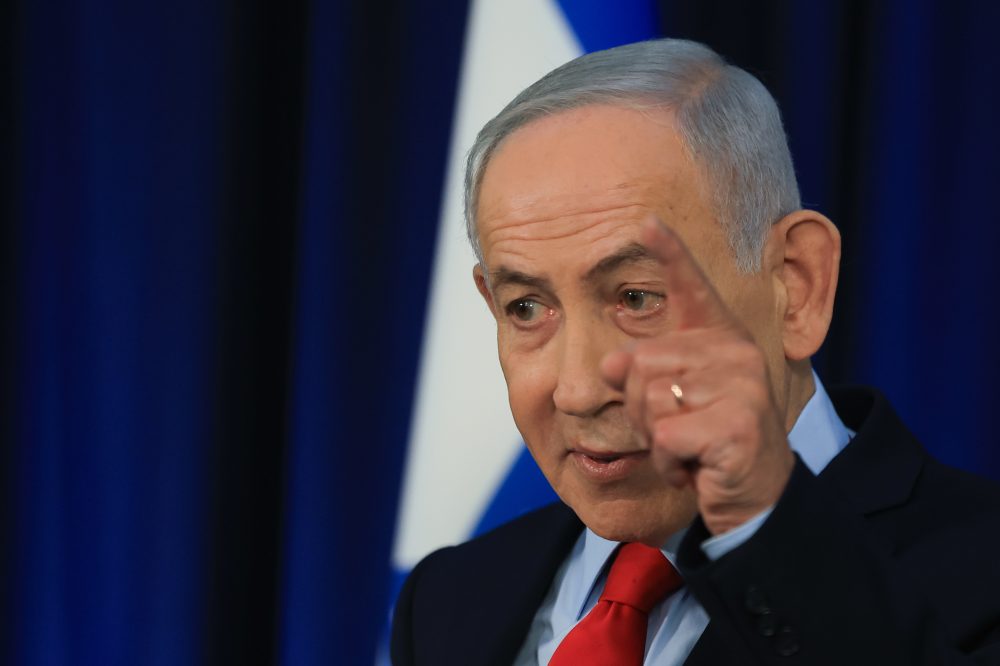

TEL AVIV, Israel — During a lengthy overnight legislative session on Monday, Israel’s parliament approved the nation’s annual budget, enabling Prime Minister Benjamin Netanyahu’s administration to serve out its complete term through the autumn months.
The country faced a critical April 1 deadline to approve budget legislation or automatically trigger snap elections. While Netanyahu retains the option to call for earlier voting if he chooses, the budget approval removes that immediate threat.
Critics from opposition parties harshly condemned the spending plan, arguing it inappropriately increases allocations to ultra-Orthodox religious communities while Israel grapples with enormous expenses from its ongoing conflicts with Iran and the extended Gaza war.
“The greatest theft in the state’s history,” declared opposition leader Yair Lapid regarding the budget.
Former Prime Minister Naftali Bennett, anticipated to run against Netanyahu in future elections, posted on X: “The government of gluttony and evasion carried out a nocturnal heist.”
Opposition lawmakers expressed particular outrage over a final-hour amendment allocating an extra $250 million to ultra-Orthodox educational institutions. Public frustration has grown toward the ultra-Orthodox population due to their resistance to military conscription while Israel’s armed forces face severe manpower shortages and desperately need additional troops. Most Jewish citizens must complete mandatory military service.
Finance Minister Bezalel Smotrich, representing the far-right, defended the budget as “taking care of all Israeli citizens, without exception.”
Netanyahu’s administration enters its final months of a four-year mandate, with elections required no later than October’s end. Israeli governments typically don’t complete full terms, but the budget’s approval suggests Netanyahu, whose approval ratings have plummeted since Hamas’s October 7, 2023 assault, will likely finish his current term.
The legislation passed by a 62-55 margin. Parliamentary proceedings were interrupted three times by air raid sirens alerting of Iranian missile attacks targeting Jerusalem, according to the legislature’s spokesperson. Lawmakers met in the building’s auditorium instead of the main chamber due to its proximity to protective shelters.
The $270 billion spending plan represents Israel’s largest budget ever, featuring a 20% boost for the Defense Ministry due to the continuing Iranian conflict. Defense spending has expanded to $45 billion, necessitating reductions across other government departments.
Current polling data shows that while Israelis broadly support the military campaign, Netanyahu and his governing coalition aren’t gaining political advantage.
Iran maintains daily missile attacks against Israel, disrupting daily life for millions of stressed and weary citizens. Israel’s conflict with Hezbollah forces in Lebanon is also escalating, while Persian Gulf oil supply disruptions have destabilized the worldwide economy.
Delaying elections until autumn might help Netanyahu capitalize on wartime momentum once nightly air raid warnings become distant memories for Israelis. However, the voting would occur near the anniversary of the October 7 attack, Israel’s most devastating in history.
Israeli military officials recently extended civilian wartime restrictions for another week, maintaining prohibitions on large gatherings and requirements to remain near bomb shelters. These measures will now cover at least the initial portion of the week-long Passover celebration beginning Wednesday.