
The National Basketball Association took another step Tuesday toward implementing significant changes to its draft lottery system, advancing a proposal designed to discourage teams from deliberately losing games to secure better draft positioning.
League general managers examined the “3-2-1 Lottery” concept, which would expand the current 14-team lottery to include 16 franchises while dramatically reducing the draft advantages for clubs with the poorest records. The proposal requires additional discussion before reaching the Board of Governors for a decisive vote anticipated next month.
Should the plan receive approval, it would take effect following this year’s draft lottery scheduled for May 10, marking the final use of the existing system.
Thursday’s competition committee meeting will feature further deliberation on the proposal, which aims to encourage competitive play even among teams eliminated from playoff and play-in tournament contention.
Under the suggested framework, all 16 participating teams would receive between one and three lottery balls, creating the system’s “3-2-1” designation. The distribution would work as follows:
Teams losing the No. 7 versus No. 8 play-in matchups in each conference would receive one lottery ball apiece.
The No. 9 and No. 10 seeds entering play-in competition would each obtain two lottery balls.
The remaining 10 franchises missing both playoffs and play-in tournaments would all receive three lottery balls, except for the three teams with the worst regular season records. These bottom-dwelling clubs would face “draft relegation,” losing one lottery ball as punishment for poor performance.
The league expressed significant frustration this season regarding teams that clearly prioritized draft positioning over victories, including levying a $500,000 fine against the Utah Jazz “for conduct detrimental to the league” after two key players were benched during fourth quarters of consecutive games.
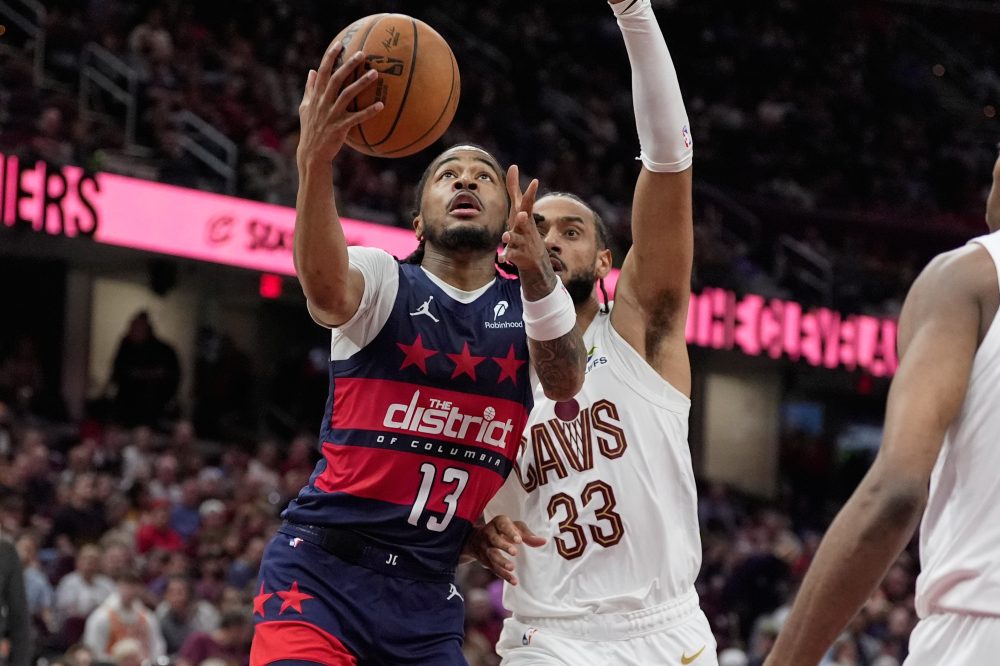
This season witnessed an unprecedented race toward futility, with five franchises—Washington, Indiana, Utah, Memphis and Brooklyn—posting winning percentages below .180 following the All-Star break. No previous NBA season had featured so many teams losing at such rates during the campaign’s final stretch.
“The incentives are not necessarily matched here,” NBA Commissioner Adam Silver stated in February regarding the correlation between poor records and favorable lottery positioning. “I think the tradition in sports where the worst-performing team receives the first pick from their partners, when any economist comes and looks at our system, they always point out you have the incentives backwards there. That doesn’t necessarily make sense.”
Silver has committed to addressing the tanking problem before next season, noting the league has modified its lottery structure multiple times throughout recent decades.
The proposed system would give teams with the three worst records identical 5.4% chances of securing the No. 1 pick, with those clubs unable to drop below the 12th selection.
However, the seven other teams missing playoffs and play-in tournaments would receive the best odds at 8.1% each for the top pick.
Play-in tournament seeds No. 9 and No. 10 would also have 5.4% chances, while teams losing the No. 7 versus No. 8 play-in games would each possess 2.7% odds.
This season’s three worst performers—Washington, Indiana and Brooklyn—currently have 14% lottery odds and guaranteed top-seven selections under the existing system. Indiana’s pick would transfer to the Los Angeles Clippers if it falls fifth or sixth due to a previous trade agreement.
The new system would reduce those teams’ chances to 5.4% while allowing them to fall as low as 12th overall. These clubs would face a 72% probability of landing outside the top five picks.
“This is a decision that needs to be made at the ownership level,” Silver explained earlier this year. “It has business implications, has basketball implications, has integrity implications for the league. It’s one that we take very seriously. We are going to fix it, full stop. I want to say that directly to our fans. … Incentives need to be fixed. We will fix them. I’m looking forward to that.”
Additional components of the 3-2-1 proposal include:
Preventing teams from winning consecutive No. 1 picks or securing three straight top-five selections.
Eliminating trade protections for picks falling between positions 12 and 15.
Granting the league “expanded disciplinary authority” to combat tanking through measures such as reducing lottery odds or altering draft positions.
Establishing a sunset clause after the 2029 draft, requiring Board of Governors approval to continue or modify the system.