
ANKARA — NATO Secretary General Mark Rutte emphasized that the freedom to protest and a free press are fundamental pillars of democracy, speaking out after Turkey carried out a sweeping crackdown on dissidents in the days leading up to this week’s major alliance summit.
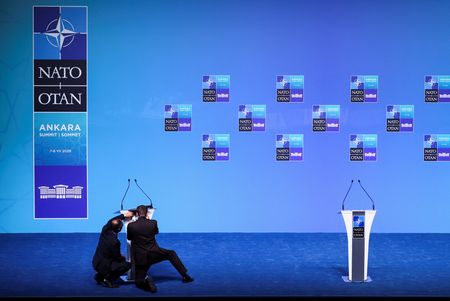
Turkey is hosting leaders from all 32 NATO member nations, along with officials from partner countries, at a summit in Ankara scheduled for Tuesday and Wednesday. In preparation, Turkish authorities have significantly tightened security throughout the capital, prohibiting public demonstrations, putting up barricades, and shutting down roadways.
On Sunday alone, more than 100 people were taken into custody during protest marches organized by leftist parties and groups. Separately, 103 additional individuals were arrested during anti-terror raids conducted across Ankara.
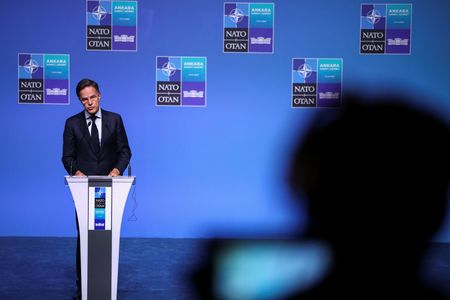
When reporters asked Rutte at a press conference about those detentions and arrests — which included journalists and a well-known comedian — he made clear that democratic governance involves far more than holding elections.
“And of course democracy is for people to organise demonstrations if they so choose. So it’s much more than only free elections, and when it comes to media,” Rutte said, adding that it was important for NATO that journalists be able to attend major events in person. A number of independent Turkish journalists were reportedly denied press credentials for the summit.
Turkish officials maintain that the detentions and security operations were aimed at rooting out militant activity and have no connection to the NATO gathering.
In recent years, Western nations — including Turkey’s fellow NATO allies — have largely gone quiet on concerns about human rights and civil liberties in Turkey. Critics of President Tayyip Erdogan’s government argue that this silence has allowed an authoritarian drift to take hold, weakened the country’s political opposition, and sidelined NATO’s core founding principles of democracy and the rule of law.