
Mysterious explosion-like sounds reported near Iran’s strategic Strait of Hormuz region have injected new complications into delicate US-Iran ceasefire negotiations currently underway.
Iranian news outlets reported hearing multiple blast-like noises Thursday evening near Bandar Abbas, a major port city, and Qeshm Island, both located close to the vital shipping corridor. The source of these sounds remains unclear, with no immediate reports of casualties or damage.
The timing is particularly sensitive as Iran continues evaluating a ceasefire proposal from the United States. Iranian Foreign Ministry spokesman Esmail Baghaei confirmed that Tehran is still reviewing messages delivered through Pakistan, which has served as an intermediary between the two nations. “Iran has not yet reached a conclusion, and no response has been given to the US side,” Baghaei stated.
The peace initiative aims to end hostilities and restore normal shipping through the Strait of Hormuz, though major disagreements persist over Iran’s nuclear activities, American sanctions, maritime access rights, and Iran’s military presence across the region.
President Trump has characterized the negotiations as encouraging while maintaining both military and economic pressure on Iran. American naval forces continue blockading Iranian ports, and Washington is advancing a UN Security Council resolution alongside Bahrain that would impose additional penalties if Iran doesn’t cease ship attacks, stop placing mines in the strait, eliminate vessel tolls, and permit humanitarian shipments.
US Ambassador to the United Nations Mike Waltz met with Gulf state representatives at UN headquarters Thursday as the Security Council moved forward with the proposed resolution. Waltz criticized Iran’s newly created Persian Gulf Strait Authority, saying it forces commercial ships to “check in and pay a bribe, pay a toll” for passage rights. Saudi Arabia, the United Arab Emirates, Kuwait, and Qatar support the American-Bahraini initiative, though China and Russia are anticipated to oppose or block the measure.
European leadership is also becoming more involved in diplomatic efforts. Following discussions with European Commission President Ursula von der Leyen, President Trump announced they were “completely united that Iran can never have a Nuclear Weapon,” explaining that “a regime that kills its own people cannot control a bomb that can kill millions.” Von der Leyen has advocated for any Iranian agreement to cover both nuclear and missile programs while guaranteeing safe passage through Hormuz waters.
The Strait of Hormuz continues serving as the central flashpoint in this standoff. Iran’s establishment of its Persian Gulf Strait Authority to oversee and tax vessels using the waterway has sparked international concerns about navigation freedom. Maritime companies, insurance providers, and energy markets remain uncertain whether Iran’s announced reopening means truly free passage or transit requiring Iranian approval and payment.
Regional powers are increasingly influencing this crisis alongside Washington and Tehran. Saudi Arabia and Kuwait have reportedly removed restrictions on American military access to their facilities and airspace, representing a potential shift after earlier Gulf reluctance to become more deeply involved. This development, initially reported by The Wall Street Journal, would signal significant changes in regional military cooperation if verified, particularly as America seeks to maintain Iranian pressure while preventing broader Gulf warfare.
Saudi Arabia’s stance has proven especially delicate. Riyadh previously resisted American requests to utilize Saudi airspace and bases for “Project Freedom,” the proposed mission to escort commercial vessels through Hormuz. Saudi officials worried that an unclear maritime operation could transform Gulf nations from anxious observers into direct war participants against Iran.
The United Arab Emirates faces greater exposure to the conflict. Iranian strikes on UAE infrastructure and shipping have increased Abu Dhabi’s desire for restored secure navigation, while the eastern Fujairah port remains essential for Gulf commerce beyond Hormuz’s narrowest sections. The UAE has also expressed growing dissatisfaction with regional energy politics, including its reported withdrawal from the Organization of the Petroleum Exporting Countries during this crisis.
Bahrain is contributing diplomatically through the UN initiative regarding Hormuz. This involvement carries significance since Bahrain hosts major American naval facilities and has maintained close security partnerships with Washington. Bahrain’s participation in the draft resolution demonstrates how the maritime crisis has become a measure of whether Gulf states can convert their reliance on open shipping lanes into unified diplomatic pressure against Iran.
Israel remains connected to the broader conflict through both Iranian and Lebanese fronts. The current war started with American and Israeli attacks on Iran, followed by Iranian missile and drone strikes against Israel and Gulf Arab nations. While US-Iran ceasefire discussions continue, Israel has also targeted Hezbollah positions in Beirut and eastern Lebanon, reportedly eliminating a senior Hezbollah leader. This keeps Lebanon within the conflict’s sphere, despite formal negotiations occurring between Washington and Tehran.
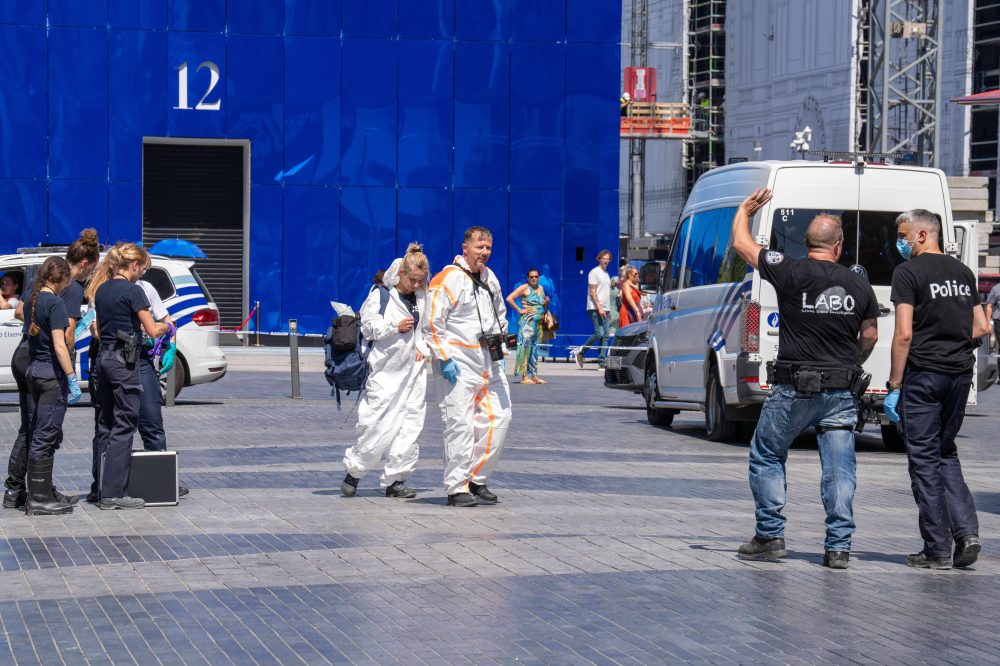
Thursday evening’s explosion reports introduce additional uncertainty to an already complex situation. Iran’s semi-official Fars news agency documented multiple blast-like sounds near Bandar Abbas, with other Iranian sources describing similar noises on Qeshm Island near shipping channels. The cause remains undetermined, with no confirmed information about casualties, destruction, or responsibility.
These explosion reports require careful evaluation at this point. No verified evidence indicates whether they resulted from airstrikes, sabotage, air defense activity, naval operations, or industrial accidents. However, the location is significant. Bandar Abbas and Qeshm are positioned near Iran’s maritime infrastructure center, and any unexplained incidents there can disturb diplomatic progress, insurance markets, and shipping decisions.
The current situation represents managed instability rather than peace. Washington seeks Iranian reopening of Hormuz without acknowledging Iranian authority over the waterway. Tehran desires sanctions relief without abandoning its nuclear advantages. Gulf states want shipping restored while avoiding becoming targets themselves. Europe aims to prevent Iranian nuclear weapons development while protecting global energy supplies. Israel seeks Iranian weakening and Hezbollah containment. Lebanon remains susceptible to spillover effects from both conflicts. Currently, a ceasefire proposal awaits response, the strait remains restricted, regional players are reassessing positions, and the Gulf stands one unexplained explosion away from another dangerous escalation.