
OAKLAND, Calif. — Tesla CEO Elon Musk engaged in heated exchanges with OpenAI’s legal team during his third day on the witness stand in a federal lawsuit challenging the artificial intelligence company’s transformation from nonprofit to for-profit status.
The legal battle focuses on OpenAI’s origins in 2015 when it launched as a charitable organization with Musk as its primary financial backer. The world’s wealthiest individual is now suing fellow co-founder Sam Altman, claiming he violated commitments to maintain the ChatGPT creator as a nonprofit organization serving humanity’s interests.
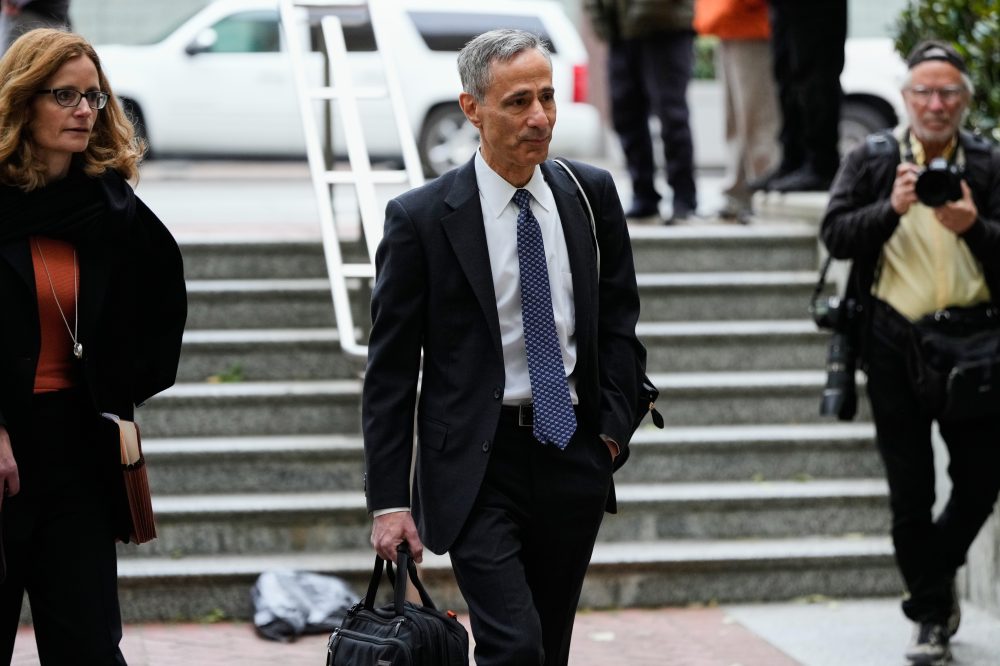
During Thursday’s proceedings, Musk repeatedly clashed with defense attorney William Savitt, claiming the lawyer was posing deceptive questions intended to mislead both him and jurors. When Savitt questioned Musk about previous testimony regarding investor profit limitations, tensions escalated.
“It depends on how high the cap is,” Musk responded. When Savitt suggested this wasn’t his complete answer from the previous day, Musk fired back: “few answers are going to be complete, especially if you cut me off all the time.” He explained that excessively high profit caps would make OpenAI “really a for-profit at that point.”
OpenAI’s legal team has dismissed Musk’s accusations, arguing no permanent nonprofit commitments were ever made. They contend Musk’s lawsuit aims to damage OpenAI’s explosive growth while promoting his competing venture, xAI, which he established in 2023.
Federal Judge Yvonne Gonzalez Rogers dismissed Musk from testimony Thursday but indicated he might return to the stand later. The Oakland trial is expected to run through late May.
Savitt also questioned Musk about his business empire, including Tesla, SpaceX, Neuralink and X, confirming they operate for profit while Musk maintains they provide social benefits. When asked why he hasn’t created his own nonprofit in the eight years since departing OpenAI, Musk delivered a sharp response.
“I thought I had started a nonprofit with OpenAI but they stole it,” Musk declared, calling this “the entire basis of this lawsuit.”